642 JOURNAL OF COSMETIC SCIENCE
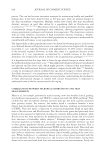
needed to better understand the role of gut metabolites in AD, with future studies focusing
on optimizing the production of anti-inflammatory bacterial metabolites by promoting the
growth of beneficial microbes.36
THE GUT-SKIN AXIS AND ROSACEA
Rosacea is an inflammatory skin condition characterized by facial flushing, visible blood
vessels on the skin, acne-like eruptions and thickening of skin due to fibrosis. It is most
prevalent in white females.85 The skin microbiome in individuals with rosacea shows
increased levels of Serratia marcescens and C. acnes.86 Additionally, research has noted
a higher incidence of GI disorders among rosacea patients, suggesting a potential link
between gut microbial dysbiosis and rosacea.87 There are associations between rosacea
and various GI issues including Helicobacter pylori infection (HPI), small intestinal
bacterial overgrowth (SIBO), celiac disease, Crohn’s disease, irritable bowel syndrome
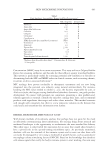
(IBS) and ulcerative colitis.87–90 Furthermore, rosacea patients’ gut microbiomes differed
in composition when compared to non-affected patients, exhibiting increased abundance
of Acidaminococcus, Megasphaera, Fusobacterium and Bacteroides and a lower abundance of
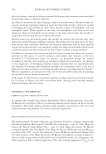
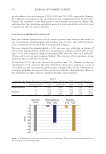
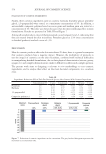
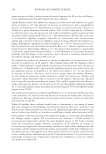
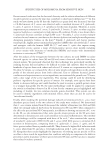
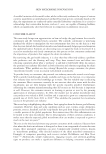
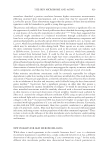
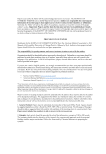
Peptococcaceae, Methanobrevibacter, Prevotella and Sutterella (Table III).85,91 These distinct traits
are hypothesized to be linked to elevated levels of certain enzymes involved in intestinal
cobalamin transport, sulphide metabolism and glucose transport.85,86 Additionally, various
dietary triggers have been associated with rosacea, including products related to heat,
alcohol, capsaicin and cinnamaldehyde, although further studies are required to clarify this
specific gut-skin axis of communication.87
CURRENT APPLICATIONS OF THE GUT-SKIN AXIS
Targeting the gut microbiome to improve skin health has become an increasingly popular
strategy in both research and clinical practice. This approach leverages the gut-skin axis
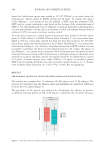
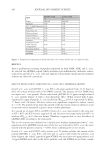
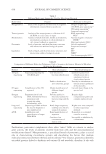
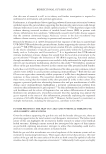
Table III
Comparison of Different Inflammatory Skin Conditions (Acne, AD, Rosacea) and Their Respective
Associations With Gut Microbiome Dysbiosis
Skin
condition
Symptoms Association to gut microbiome References
Acne Papules, pustules,
whiteheads,
blackheads, scarring
of the skin
Increased: Bacteroides
Decreased: Firmicutes, Proteus,
Clostridium, Bifidobacterium,
Butyricicoccus, Coprobacillus,
Lactobacillus, Allobaculum,
Lachnospiraceae, Ruminococcaceae
(25, 61, 67, 68, 70)
AD Itchiness, dry skin,
rashes, raw skin,
sensitive skin
Increased: F. prausnitzii, Clostridium,
Enterobacteriaceae, Staphylococcus, E. coli
Decreased: Akkermansia, Bacteroidetes,
Bifidobacterium
(25, 71, 72, 73, 74,
76, 79, 80, 81, 82)
Rosacea Facial redness, flushing,
visible blood vessels
on the skin, acne-like
eruptions, thickening
of skin due to fibrosis
Increased: Acidaminococcus, Megasphaera,
Fusobacterium, Bacteroides
Decreased: Peptococcaceae,
Methanobrevibacter, Prevotella, Sutterella
(85, 86, 87, 90, 91)
needed to better understand the role of gut metabolites in AD, with future studies focusing
on optimizing the production of anti-inflammatory bacterial metabolites by promoting the
growth of beneficial microbes.36
THE GUT-SKIN AXIS AND ROSACEA
Rosacea is an inflammatory skin condition characterized by facial flushing, visible blood
vessels on the skin, acne-like eruptions and thickening of skin due to fibrosis. It is most
prevalent in white females.85 The skin microbiome in individuals with rosacea shows
increased levels of Serratia marcescens and C. acnes.86 Additionally, research has noted
a higher incidence of GI disorders among rosacea patients, suggesting a potential link
between gut microbial dysbiosis and rosacea.87 There are associations between rosacea
and various GI issues including Helicobacter pylori infection (HPI), small intestinal
bacterial overgrowth (SIBO), celiac disease, Crohn’s disease, irritable bowel syndrome
(IBS) and ulcerative colitis.87–90 Furthermore, rosacea patients’ gut microbiomes differed
in composition when compared to non-affected patients, exhibiting increased abundance
of Acidaminococcus, Megasphaera, Fusobacterium and Bacteroides and a lower abundance of
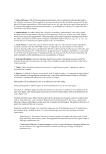
Peptococcaceae, Methanobrevibacter, Prevotella and Sutterella (Table III).85,91 These distinct traits
are hypothesized to be linked to elevated levels of certain enzymes involved in intestinal
cobalamin transport, sulphide metabolism and glucose transport.85,86 Additionally, various
dietary triggers have been associated with rosacea, including products related to heat,
alcohol, capsaicin and cinnamaldehyde, although further studies are required to clarify this
specific gut-skin axis of communication.87
CURRENT APPLICATIONS OF THE GUT-SKIN AXIS
Targeting the gut microbiome to improve skin health has become an increasingly popular
strategy in both research and clinical practice. This approach leverages the gut-skin axis
Table III
Comparison of Different Inflammatory Skin Conditions (Acne, AD, Rosacea) and Their Respective
Associations With Gut Microbiome Dysbiosis
Skin
condition
Symptoms Association to gut microbiome References
Acne Papules, pustules,
whiteheads,
blackheads, scarring
of the skin
Increased: Bacteroides
Decreased: Firmicutes, Proteus,
Clostridium, Bifidobacterium,
Butyricicoccus, Coprobacillus,
Lactobacillus, Allobaculum,
Lachnospiraceae, Ruminococcaceae
(25, 61, 67, 68, 70)
AD Itchiness, dry skin,
rashes, raw skin,
sensitive skin
Increased: F. prausnitzii, Clostridium,
Enterobacteriaceae, Staphylococcus, E. coli
Decreased: Akkermansia, Bacteroidetes,
Bifidobacterium
(25, 71, 72, 73, 74,
76, 79, 80, 81, 82)
Rosacea Facial redness, flushing,
visible blood vessels
on the skin, acne-like
eruptions, thickening
of skin due to fibrosis
Increased: Acidaminococcus, Megasphaera,
Fusobacterium, Bacteroides
Decreased: Peptococcaceae,
Methanobrevibacter, Prevotella, Sutterella
(85, 86, 87, 90, 91)