644 JOURNAL OF COSMETIC SCIENCE
7347, B. lactis CECT 8145 and L. casei CECT 9104 significantly decreased the SCORAD
index and reduced the use of topical steroids in patients with AD, although the exact
mechanism remains unclear.104
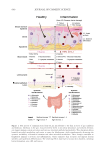
The largely hypothesized mechanism of action of these LBPs involves immune system
modulation. Preclinical trials using L. sakei WIKIM30 showed alleviation of AD symptoms,
due to the induction of Treg differentiation and altering the gut microbiota.105 Furthermore,
a study that utilized L. fermentum treatment in AD-induced mice demonstrated significant
reductions in serum IgE, tissue mast cells, eosinophils and T-helper 2 (Th2) related
cytokines.105 The treatment also led to increases in anti-inflammatory cytokines, such
as interleukin-10 (IL-10) and transforming growth factor-β (TGF-β), as well as changes
in amino acid levels, including methionine, phenylalanine, serine and tyrosine, and in
SCFAs such as acetate, butyrate and propionate.106 The proposed mechanism for these
Lactobacillus-containing LBPs is their ability to reduce T-helper 1 (Th1) and T-helper 17
(Th17) cytokines, in addition to Th2 cytokines, while simultaneously increasing IL-10 and
CD4+CD25+ regulatory T cells. This immune modulation is thought to influence the gut
microbiota and alleviate AD symptoms.106,107
In addition, supplementation with the LBP L. rhamnosus SP1 LSP1 has been shown to
be effective in treating adult acne.108 A prevalent hypothesis suggests that L. rhamnosus-
containing LBPs may enhance microbial diversity, increase SCFA production and normalize
gene expression related to insulin signaling in the skin.109 Additionally, an LBP containing
Bacillus species demonstrated improvement in acne lesions and reduced sebum excretion
rates.110 Notably, a blend of L. acidophilus, L. delbrueckii subspecies bulgaricus and B. bifidum
showed efficacy comparable to 100 mg of daily minocycline, a commonly used antibiotic
for acne treatment.111 Therefore, in addition to microbiome balance, the hypothesized
mode of action through which LBPs may treat acne is via immunomodulation and anti-
inflammatory effects. Specifically, LBPs are thought to generate regulatory dendritic cells
and CD4+ Foxp3+ T cells, leading to B and T helper cell hyporesponsiveness without
apoptosis, along with suppression of cytokine production.112
In addition, LBPs for acne may be effective through the reduction of oxidative stress. The
elevated local burden of lipid peroxidation associated with acne increases the demand for
antioxidants from the bloodstream. LBPs may address this issue by reducing systemic
oxidative stress and modulating inflammatory cytokine release within the skin.113,114
Specifically, a reduction in interleukin-1 alpha (IL-1α), observed under certain experimental
conditions, could offer therapeutic benefits for acne.115 Furthermore, similar to internal
antibiotics, LBPs have the potential to alter microbial communities in areas beyond the GI
tract, potentially enhancing their effectiveness in acne management.116
Research into the effects of LBPs in relation to rosacea is relatively limited. However, studies
have shown that oral supplementation with E. coli Nissle 1917, in combination with conventional
topical treatments such as tetracycline, steroids and retinoids, resulted in significantly greater
symptomatic improvement in rosacea patients compared to those who received only topical
treatments.117 Hence, E. coli Nissle 1917 is able to strengthen the intestinal epithelial barrier
and inhibit pathogenic bacterial growth by interacting with immunomodulatory and anti-
inflammatory mechanisms, suggesting its mode of action for rosacea treatment.117 Similarly, a
treatment regimen for rosacea that included a Bifidobacterium-containing LBP was associated
with a higher rate of clinical remission compared to conventional treatments alone.118 A case
of scalp rosacea was also effectively managed with a low dose of doxycycline combined with
an LBP containing B. breve BR03 and L. salivarius LS01.119
7347, B. lactis CECT 8145 and L. casei CECT 9104 significantly decreased the SCORAD
index and reduced the use of topical steroids in patients with AD, although the exact
mechanism remains unclear.104
The largely hypothesized mechanism of action of these LBPs involves immune system
modulation. Preclinical trials using L. sakei WIKIM30 showed alleviation of AD symptoms,
due to the induction of Treg differentiation and altering the gut microbiota.105 Furthermore,
a study that utilized L. fermentum treatment in AD-induced mice demonstrated significant
reductions in serum IgE, tissue mast cells, eosinophils and T-helper 2 (Th2) related
cytokines.105 The treatment also led to increases in anti-inflammatory cytokines, such
as interleukin-10 (IL-10) and transforming growth factor-β (TGF-β), as well as changes
in amino acid levels, including methionine, phenylalanine, serine and tyrosine, and in
SCFAs such as acetate, butyrate and propionate.106 The proposed mechanism for these
Lactobacillus-containing LBPs is their ability to reduce T-helper 1 (Th1) and T-helper 17
(Th17) cytokines, in addition to Th2 cytokines, while simultaneously increasing IL-10 and
CD4+CD25+ regulatory T cells. This immune modulation is thought to influence the gut
microbiota and alleviate AD symptoms.106,107
In addition, supplementation with the LBP L. rhamnosus SP1 LSP1 has been shown to
be effective in treating adult acne.108 A prevalent hypothesis suggests that L. rhamnosus-
containing LBPs may enhance microbial diversity, increase SCFA production and normalize
gene expression related to insulin signaling in the skin.109 Additionally, an LBP containing
Bacillus species demonstrated improvement in acne lesions and reduced sebum excretion
rates.110 Notably, a blend of L. acidophilus, L. delbrueckii subspecies bulgaricus and B. bifidum
showed efficacy comparable to 100 mg of daily minocycline, a commonly used antibiotic
for acne treatment.111 Therefore, in addition to microbiome balance, the hypothesized
mode of action through which LBPs may treat acne is via immunomodulation and anti-
inflammatory effects. Specifically, LBPs are thought to generate regulatory dendritic cells
and CD4+ Foxp3+ T cells, leading to B and T helper cell hyporesponsiveness without
apoptosis, along with suppression of cytokine production.112
In addition, LBPs for acne may be effective through the reduction of oxidative stress. The
elevated local burden of lipid peroxidation associated with acne increases the demand for
antioxidants from the bloodstream. LBPs may address this issue by reducing systemic
oxidative stress and modulating inflammatory cytokine release within the skin.113,114
Specifically, a reduction in interleukin-1 alpha (IL-1α), observed under certain experimental
conditions, could offer therapeutic benefits for acne.115 Furthermore, similar to internal
antibiotics, LBPs have the potential to alter microbial communities in areas beyond the GI
tract, potentially enhancing their effectiveness in acne management.116
Research into the effects of LBPs in relation to rosacea is relatively limited. However, studies
have shown that oral supplementation with E. coli Nissle 1917, in combination with conventional
topical treatments such as tetracycline, steroids and retinoids, resulted in significantly greater
symptomatic improvement in rosacea patients compared to those who received only topical
treatments.117 Hence, E. coli Nissle 1917 is able to strengthen the intestinal epithelial barrier
and inhibit pathogenic bacterial growth by interacting with immunomodulatory and anti-
inflammatory mechanisms, suggesting its mode of action for rosacea treatment.117 Similarly, a
treatment regimen for rosacea that included a Bifidobacterium-containing LBP was associated
with a higher rate of clinical remission compared to conventional treatments alone.118 A case
of scalp rosacea was also effectively managed with a low dose of doxycycline combined with
an LBP containing B. breve BR03 and L. salivarius LS01.119