556 JOURNAL OF COSMETIC SCIENCE
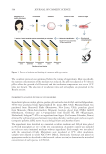
Control Group 1 (CT1). Exposure on Day 5 to 106 colony-forming unit (CFU)/cm² of
S epidermidis for 24 hours was used to evaluate the ability of S epidermidis to colonize skin
explant surfaces. The group was then washed with PBS on Day 6 to remove nonadherent
bacteria.
Control Group 2 (CT2). Exposure on Day 5 to 106 CFU/cm² of S epidermidis for 24 hours,
followed by exposure on Day 6 to 105 CFU/cm² of S aureus for 24 hours, was used to
evaluate the growth ability of S aureus in the presence of a preformed film of S epidermidis.
The group was then washed with PBS on Day 7 to remove nonadherent bacteria.
Prebiotic Aqueous Micellar Solution (Investigational Product) Group (IP). This group saw
exposure on Day 5 to 106 CFU/cm² of S epidermidis for 24 hours and washing with PBS on
Day 6 to remove non-adherent bacteria. This was followed by treatment with 2 mg/cm² of
a prebiotic aqueous micellar solution for 2 hours, exposure to 105 CFU/cm² of S aureus for
24 hours, and washing with PBS on Day 7 to remove nonadherent bacteria.
Throughout the study, all groups underwent simultaneous renewal of Bio EC’s culture
medium (BEM® without antibiotics—proprietary culture medium, Longjumeau, France).
The explants were incubated for at least 24 hours under normoxic conditions in a humidified
37°C incubator maintained at a 5% CO
2 atmosphere. CFU counts were then performed
after exposure to S epidermidis and S aureus.
After sampling, the remaining adherent bacteria were collected from the explant surface
by scraping the skin sample surface with a scalpel and streaked on TS agar (trypticase
agar, BD 236950) to determine the total number of bacteria and on streaked on selective
agar (CHROMagar Staph aureus, I2A, 080103, Saint-Denis, France) to determine only the
number of S. aureus. Biomass determination was analyzed by counting the CFU in agar gel.
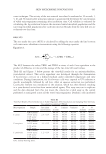
A student t-test was applied for statistical analysis. The student t-test determines if two
groups are significantly different by calculating the probability.16,17 A difference between
groups is considered significant if p 0.1 (90% probability), p 0.05 (95% probability),
or p 0.001 (99% probability).
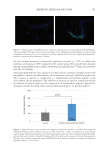
CATHELICIDIN (LL-37) IMMUNOFLUORESCENCE ASSAY
To evaluate the product’s effectiveness on the protective capacity of the skin barrier, an
immunofluorescence assay was carried out on the expression of the cathelicidin protein in
an ex vivo human skin model. Human female skin explants from blepharoplasty of healthy
patients aged 35–65 were then cut into 0.5 cm² fragments and treated for 72 hours with
12 mg/cm² of prebiotic aqueous micellar solution. The control group, which is fragments of
human skin incubated in a culture medium, was assessed in parallel.
The fragments were separated into 10 µm sections that were then collected and incubated
with a primary anticathelicidin antibody (Abcam ab69484), followed by incubation with
Goat Anti-Rabbit conjugated to AlexaFluor 488 (Invitrogen, Waltham, MA A11008)
and DAPI (4’-6-Diamidino-2-Phenylindole DNA marker). Fluorescence intensity was
analyzed with the Optical Fluorescence Microscope (Leica -DM1000, Wetzlar, Germany).
Images were captured using LAS software (Leica Application Suite, Wetzlar, Germany).
The images obtained were processed with ImageJ® software (National Institute of Health,
Bethesda, MD, USA) to quantify the pixels generated by the target protein. The raw data
were treated using statistical analysis of variance (ANOVA). The Dunnett’s test is used
Control Group 1 (CT1). Exposure on Day 5 to 106 colony-forming unit (CFU)/cm² of
S epidermidis for 24 hours was used to evaluate the ability of S epidermidis to colonize skin
explant surfaces. The group was then washed with PBS on Day 6 to remove nonadherent
bacteria.
Control Group 2 (CT2). Exposure on Day 5 to 106 CFU/cm² of S epidermidis for 24 hours,
followed by exposure on Day 6 to 105 CFU/cm² of S aureus for 24 hours, was used to
evaluate the growth ability of S aureus in the presence of a preformed film of S epidermidis.
The group was then washed with PBS on Day 7 to remove nonadherent bacteria.
Prebiotic Aqueous Micellar Solution (Investigational Product) Group (IP). This group saw
exposure on Day 5 to 106 CFU/cm² of S epidermidis for 24 hours and washing with PBS on
Day 6 to remove non-adherent bacteria. This was followed by treatment with 2 mg/cm² of
a prebiotic aqueous micellar solution for 2 hours, exposure to 105 CFU/cm² of S aureus for
24 hours, and washing with PBS on Day 7 to remove nonadherent bacteria.
Throughout the study, all groups underwent simultaneous renewal of Bio EC’s culture
medium (BEM® without antibiotics—proprietary culture medium, Longjumeau, France).
The explants were incubated for at least 24 hours under normoxic conditions in a humidified
37°C incubator maintained at a 5% CO
2 atmosphere. CFU counts were then performed
after exposure to S epidermidis and S aureus.
After sampling, the remaining adherent bacteria were collected from the explant surface
by scraping the skin sample surface with a scalpel and streaked on TS agar (trypticase
agar, BD 236950) to determine the total number of bacteria and on streaked on selective
agar (CHROMagar Staph aureus, I2A, 080103, Saint-Denis, France) to determine only the
number of S. aureus. Biomass determination was analyzed by counting the CFU in agar gel.
A student t-test was applied for statistical analysis. The student t-test determines if two
groups are significantly different by calculating the probability.16,17 A difference between
groups is considered significant if p 0.1 (90% probability), p 0.05 (95% probability),
or p 0.001 (99% probability).
CATHELICIDIN (LL-37) IMMUNOFLUORESCENCE ASSAY
To evaluate the product’s effectiveness on the protective capacity of the skin barrier, an
immunofluorescence assay was carried out on the expression of the cathelicidin protein in
an ex vivo human skin model. Human female skin explants from blepharoplasty of healthy
patients aged 35–65 were then cut into 0.5 cm² fragments and treated for 72 hours with
12 mg/cm² of prebiotic aqueous micellar solution. The control group, which is fragments of
human skin incubated in a culture medium, was assessed in parallel.
The fragments were separated into 10 µm sections that were then collected and incubated
with a primary anticathelicidin antibody (Abcam ab69484), followed by incubation with
Goat Anti-Rabbit conjugated to AlexaFluor 488 (Invitrogen, Waltham, MA A11008)
and DAPI (4’-6-Diamidino-2-Phenylindole DNA marker). Fluorescence intensity was
analyzed with the Optical Fluorescence Microscope (Leica -DM1000, Wetzlar, Germany).
Images were captured using LAS software (Leica Application Suite, Wetzlar, Germany).
The images obtained were processed with ImageJ® software (National Institute of Health,
Bethesda, MD, USA) to quantify the pixels generated by the target protein. The raw data
were treated using statistical analysis of variance (ANOVA). The Dunnett’s test is used