558 JOURNAL OF COSMETIC SCIENCE
results were statistically significant (p 0.05). These data support the test formula’s ability
as a potential makeup remover for cosmetic purposes.
EX VIVO SKIN MICROBIOME EVALUATION
To assess the effect of the skin cleanser prebiotic aqueous micellar solution on the skin
microbiota, an in vitro experiment was conducted utilizing the profiling of two principal
constituents of the human skin microbiome: S epidermidis, a saprophytic bacterium, and S
aureus, a pathogenic bacterium.20
Following a 24-hour incubation period, it was noted that S epidermidis exhibited growth on
the surface of the skin explant (CT1). When S aureus was introduced onto the surface of the
skin explant, which was already covered by a pre-established biofilm of S epidermidis (CT2),
S aureus was capable of colonizing the explant surface, notwithstanding the presence of the
pre-existing S epidermidis biofilm. Upon completion of the incubation period (48 hours), S
epidermidis emerged as the predominant bacterial species (CT2).
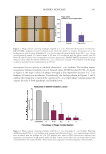
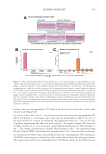
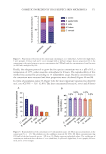
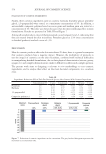
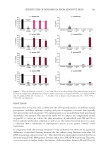
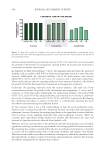
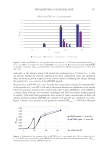
In the IP condition in which the prebiotic aqueous micellar solution was administered onto
the preformed S epidermidis biofilm prior to the introduction of S aureus, the population of
S epidermidis and the total bacterial population surpassed what was observed in the CT2
condition. Conversely, the population of S aureus remained lower than CT2. These findings
are illustrated in Figure 3.
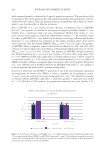
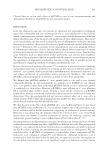
According to the results presented (Figure 3), the prebiotic aqueous micellar solution was
able to promote a significant increase of 86% (p 0.1) in the total population of bacteria
(S epidermidis population+S aureus population), as well as a significant increase (p 0.01)
of 99% in the S epidermidis population in the treated skin fragments when compared to
the control. In contrast, there was a significant decrease (p 0.05) of 73% in the S aureus
population in the skin surface treated with the test product when compared to the control.
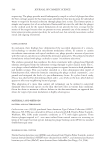
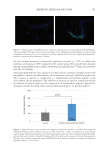
Figure 3. Growth of the total population of bacteria (including both S epidermidis and S aureus), as well as
the individual populations of S aureus and S epidermidis, measured on the surface of skin fragments treated
with a prebiotic aqueous micellar solution compared to a control. The data were statistically analyzed using
the student’s t-test, with differences between groups considered significant at three levels: p 0.1 (90%
probability), p 0.05 (95% probability), and p 0.01 (99% probability).
results were statistically significant (p 0.05). These data support the test formula’s ability
as a potential makeup remover for cosmetic purposes.
EX VIVO SKIN MICROBIOME EVALUATION
To assess the effect of the skin cleanser prebiotic aqueous micellar solution on the skin
microbiota, an in vitro experiment was conducted utilizing the profiling of two principal
constituents of the human skin microbiome: S epidermidis, a saprophytic bacterium, and S
aureus, a pathogenic bacterium.20
Following a 24-hour incubation period, it was noted that S epidermidis exhibited growth on
the surface of the skin explant (CT1). When S aureus was introduced onto the surface of the
skin explant, which was already covered by a pre-established biofilm of S epidermidis (CT2),
S aureus was capable of colonizing the explant surface, notwithstanding the presence of the
pre-existing S epidermidis biofilm. Upon completion of the incubation period (48 hours), S
epidermidis emerged as the predominant bacterial species (CT2).
In the IP condition in which the prebiotic aqueous micellar solution was administered onto
the preformed S epidermidis biofilm prior to the introduction of S aureus, the population of
S epidermidis and the total bacterial population surpassed what was observed in the CT2
condition. Conversely, the population of S aureus remained lower than CT2. These findings
are illustrated in Figure 3.
According to the results presented (Figure 3), the prebiotic aqueous micellar solution was
able to promote a significant increase of 86% (p 0.1) in the total population of bacteria
(S epidermidis population+S aureus population), as well as a significant increase (p 0.01)
of 99% in the S epidermidis population in the treated skin fragments when compared to
the control. In contrast, there was a significant decrease (p 0.05) of 73% in the S aureus
population in the skin surface treated with the test product when compared to the control.
Figure 3. Growth of the total population of bacteria (including both S epidermidis and S aureus), as well as
the individual populations of S aureus and S epidermidis, measured on the surface of skin fragments treated
with a prebiotic aqueous micellar solution compared to a control. The data were statistically analyzed using
the student’s t-test, with differences between groups considered significant at three levels: p 0.1 (90%
probability), p 0.05 (95% probability), and p 0.01 (99% probability).