574 JOURNAL OF COSMETIC SCIENCE
EVALUATION OF COSMETIC INGREDIENTS
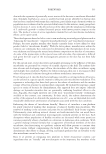
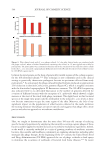
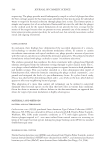
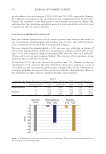
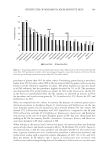
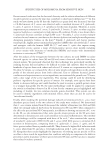
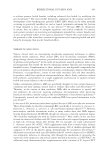
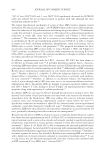
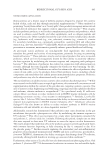
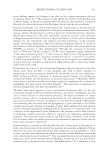
Finally, three common ingredients used in cosmetic formulas (butylene glycol, pentylene
glycol, 1,3-propanediol) were tested, at a maximum concentration of 5%. In addition, a
water-soluble composite polymer based on acacia gum and xanthan gum was tested at a
concentration of 1%. This dose was chosen because it has the most stabilizing effect in most
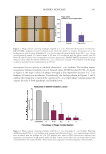
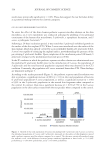
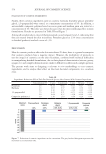
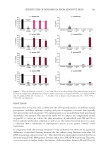
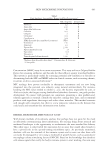
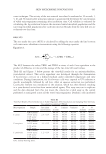
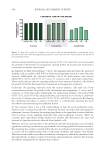
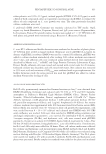
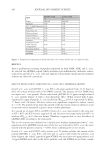
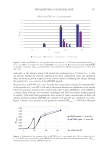
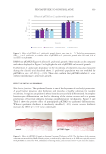
formulations. Results are presented in Table III and Figure 7.
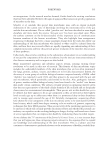
Among all tested products, most of them presented a score between 0 and –5, indicating that
they are neutral toward the skin microbiota. Pentylene glycol at 2.5% (max concentration
in finished products) reached a score of –3.6.
DISCUSSION
How do cosmetic products affect the skin microbiota? To date, there is a general assumption
that cosmetic products have a negative impact. However, the multiplicity of protocols to
test the impact of cosmetics on the skin microbiota, combined with technical difficulties
in manipulating finished formulations, due to their physical characteristics (viscous, greasy,
opaque etc.) and complex chemical nature, make it difficult to address such a simple question.
The present work aims at designing a relevant in vitro methodology to test cosmetic
ingredients, and to analyze their effect on the main bacterial components, in a coculture
assay.
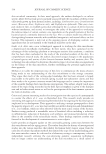
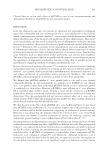
Table III
Logarithmic Reductions (LR) of Each Five Bacterial Species After Contact With Cosmetic Ingredients
Concentration (%)C acnes S epidermidis S mitis M luteus C xerosis
Pentylene 2.5 –0.24 –0.82 –0.13 –0.27 –0.23
Butylene 2.5 0.63 0.37 –0.83 –0.30 0.12
5.0 0.30 0.12 –1.30 0.12 –1.38
1,3-propanediol 2.5 0.43 0.21 –0.21 –0.16 –0.39
5.0 0.64 0.37 –1.38 –0.10 –1.11
Composite polymere 1 1.0 –1.50 –2.10 –0.40 0.20 –0.40
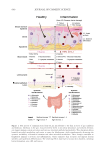
Figure 7. Evaluation of cosmetic ingredients on the consortium. The gray hatched histogram represents the
maximum score (maximum LR).
EVALUATION OF COSMETIC INGREDIENTS
Finally, three common ingredients used in cosmetic formulas (butylene glycol, pentylene
glycol, 1,3-propanediol) were tested, at a maximum concentration of 5%. In addition, a
water-soluble composite polymer based on acacia gum and xanthan gum was tested at a
concentration of 1%. This dose was chosen because it has the most stabilizing effect in most
formulations. Results are presented in Table III and Figure 7.
Among all tested products, most of them presented a score between 0 and –5, indicating that
they are neutral toward the skin microbiota. Pentylene glycol at 2.5% (max concentration
in finished products) reached a score of –3.6.
DISCUSSION
How do cosmetic products affect the skin microbiota? To date, there is a general assumption
that cosmetic products have a negative impact. However, the multiplicity of protocols to
test the impact of cosmetics on the skin microbiota, combined with technical difficulties
in manipulating finished formulations, due to their physical characteristics (viscous, greasy,
opaque etc.) and complex chemical nature, make it difficult to address such a simple question.
The present work aims at designing a relevant in vitro methodology to test cosmetic
ingredients, and to analyze their effect on the main bacterial components, in a coculture
assay.
Table III
Logarithmic Reductions (LR) of Each Five Bacterial Species After Contact With Cosmetic Ingredients
Concentration (%)C acnes S epidermidis S mitis M luteus C xerosis
Pentylene 2.5 –0.24 –0.82 –0.13 –0.27 –0.23
Butylene 2.5 0.63 0.37 –0.83 –0.30 0.12
5.0 0.30 0.12 –1.30 0.12 –1.38
1,3-propanediol 2.5 0.43 0.21 –0.21 –0.16 –0.39
5.0 0.64 0.37 –1.38 –0.10 –1.11
Composite polymere 1 1.0 –1.50 –2.10 –0.40 0.20 –0.40
Figure 7. Evaluation of cosmetic ingredients on the consortium. The gray hatched histogram represents the
maximum score (maximum LR).