603 SKIN MICROBIOME INNOVATIONS
Concentration (MBEC) assay for accurate assessment. This assay utilizes a Calgary Biofilm
Device for screening antibiotics and biocides for their efficacy against microbial biofilms.
This system is particularly useful for screening potential new antibiotics or biocides or
determining both the MIC and MBEC values in clinical contexts, such as treating chronic,
recurrent, or device-associated infections.15
MIC readings have proven invaluable in therapeutic treatments and are now being
integrated into the personal care industry using natural antimicrobials. For instance,
knowing the MIC value needed to inhibit C. acnes, the bacteria responsible for acne, or
Malassezia furfur, the fungus causing dandruff and seborrheic dermatitis, can guide product
development. To connect with personal care consumers, presenting a clear problem-and-
solution approach is essential: identify the microbes causing their issue, and recommend
products with ingredients that target and reduce those microbes. This method resonates
well enough with consumers, but there is a new innovative solution on the horizon that
could unify and streamline this information even further.
DERMAL MICROBIOME-IMMUNOLOGY ASSAY
With known methods of microbiome analysis that perhaps have not quite hit the mark
on effectively communicating latest information, the exciting thing about research and
uncharted landscapes is the opportunity to revolutionize the new standard for delivery.
This white space is what fueled the innovation for an assay that would allow brands to
have a pivotal role in the up-and-coming microbiome space. As previously mentioned,
dendritic cells are the sentinels of the immune system and it turns out that these cells
can easily be propagated in vitro using a multitude of growth factors, such as granulocyte
macrophage-colony stimulating factors (GM-CSF). Based on the knowledge that dendritic
cells release signals that notify the body’s immune system to start working, this new assay
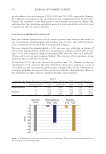
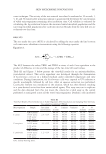
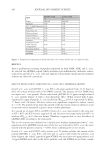
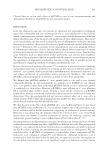
Table I
Final Antibiotic Susceptibility Report for Klebsiella pneumoniae13
MIC (mcg/mL) Interpretation
Amikacin ≤2 S
Ampicillin ≥32 R
Ampicillin/Sulbactam 16 I
Cefazolin ≥64 R
Cefepime 2 R
Ceftriaxone ≥64 R
Ciprofloxacin ≥64 R
ESBL (Extended-Spectrum Beta-Lactamases) NEG
Gentamicin ≥16 R
Imipenem ≤1 S
Piperacillin ≥128 R
Piperacillin/Tazobactam 1.5 S
Tigecycline ≤0.5 S
Tobramycin 8 I
Trimethoprim/Sulfamethoxazole ≥320 R
*Redrawn from Kowalska-Krochmal.13 I: Intermediate R: Resistant
S: Susceptible.
Concentration (MBEC) assay for accurate assessment. This assay utilizes a Calgary Biofilm
Device for screening antibiotics and biocides for their efficacy against microbial biofilms.
This system is particularly useful for screening potential new antibiotics or biocides or
determining both the MIC and MBEC values in clinical contexts, such as treating chronic,
recurrent, or device-associated infections.15
MIC readings have proven invaluable in therapeutic treatments and are now being
integrated into the personal care industry using natural antimicrobials. For instance,
knowing the MIC value needed to inhibit C. acnes, the bacteria responsible for acne, or
Malassezia furfur, the fungus causing dandruff and seborrheic dermatitis, can guide product
development. To connect with personal care consumers, presenting a clear problem-and-
solution approach is essential: identify the microbes causing their issue, and recommend
products with ingredients that target and reduce those microbes. This method resonates
well enough with consumers, but there is a new innovative solution on the horizon that
could unify and streamline this information even further.
DERMAL MICROBIOME-IMMUNOLOGY ASSAY
With known methods of microbiome analysis that perhaps have not quite hit the mark
on effectively communicating latest information, the exciting thing about research and
uncharted landscapes is the opportunity to revolutionize the new standard for delivery.
This white space is what fueled the innovation for an assay that would allow brands to
have a pivotal role in the up-and-coming microbiome space. As previously mentioned,
dendritic cells are the sentinels of the immune system and it turns out that these cells
can easily be propagated in vitro using a multitude of growth factors, such as granulocyte
macrophage-colony stimulating factors (GM-CSF). Based on the knowledge that dendritic
cells release signals that notify the body’s immune system to start working, this new assay
Table I
Final Antibiotic Susceptibility Report for Klebsiella pneumoniae13
MIC (mcg/mL) Interpretation
Amikacin ≤2 S
Ampicillin ≥32 R
Ampicillin/Sulbactam 16 I
Cefazolin ≥64 R
Cefepime 2 R
Ceftriaxone ≥64 R
Ciprofloxacin ≥64 R
ESBL (Extended-Spectrum Beta-Lactamases) NEG
Gentamicin ≥16 R
Imipenem ≤1 S
Piperacillin ≥128 R
Piperacillin/Tazobactam 1.5 S
Tigecycline ≤0.5 S
Tobramycin 8 I
Trimethoprim/Sulfamethoxazole ≥320 R
*Redrawn from Kowalska-Krochmal.13 I: Intermediate R: Resistant
S: Susceptible.