617 Pentapeptide to Control Acne
molecule), or the solvent control. Cell growth was evaluated up to 72 hours (n =3 data
not shown). Neither the isolated compounds nor their combination exerts any significant
effect on bacteria growth compared to the solvent control, confirming the unique limiting
the growth of C. acnes activity of the pKTSKS peptide.
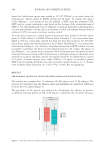
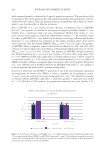
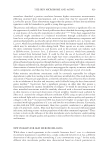
Remnant effects of pKTSKS on C. acnes. A study was conducted to evaluate the remnant effect
of the peptide on C. acnes RT-1 cells and to determine whether the inhibition can be rapidly
lifted in its absence. Bacteria were treated with either 9 ppm pKTSKS or 0.1% DMSO as
a control. After 48 hours, bacteria were centrifuged and rinsed to remove residual peptide
or solvent. Cells from both populations were seeded at same concentrations in fresh cell
culture medium (without pKTSKS nor solvent). Cell growth was estimated over time.
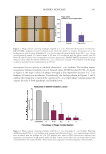
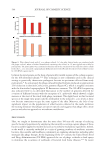
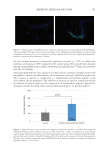
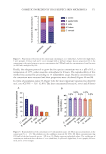
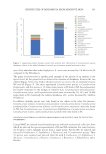
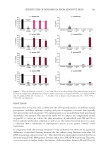
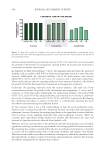
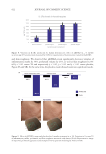
Figure 3 shows a clear increase in cell growth for control (OD
600nm
=0.650 after 48 hours)
0
0.1
0.2
0.3
0.4
0.5
0.6
0.7
0.8
0.9
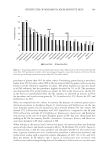
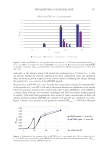
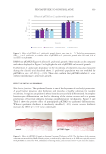
21h 29h 45h 53h
Time (h)
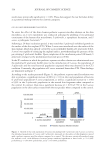
Effect of pKTSKS on C. acnes growth
Solvent control pKTSKS 6ppm pKTSKS 9ppm pKTSKS 12ppm
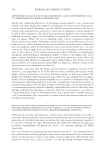
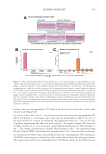
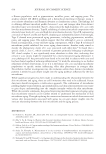
Figure 2. Effect of pKTSKS on C. acnes growth kinetic over time (n =3). Turbidity measurements (OD600nm)
on C. acnes (RT-1), to evaluate the effect of pKTSKS on C. acnes growth. Bacteria were treated with pKTSKS
in anaerobic conditions. OD600nm measurements were performed at different time-points (21 h, 29 h, 45 h,
and 53 h).
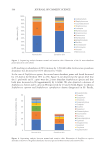
Figure 3. Evaluation of the remnant effect of pKTSKS on C. acnes growth after 48 h of contact (n =3).
C. acnes (RT-1) was treated with 9 ppm pKTSKS or its control for 48 h. Growth was monitored by OD600nm
measurements before and after pKTSKS wash-out.
OD
600nm
molecule), or the solvent control. Cell growth was evaluated up to 72 hours (n =3 data
not shown). Neither the isolated compounds nor their combination exerts any significant
effect on bacteria growth compared to the solvent control, confirming the unique limiting
the growth of C. acnes activity of the pKTSKS peptide.
Remnant effects of pKTSKS on C. acnes. A study was conducted to evaluate the remnant effect
of the peptide on C. acnes RT-1 cells and to determine whether the inhibition can be rapidly
lifted in its absence. Bacteria were treated with either 9 ppm pKTSKS or 0.1% DMSO as
a control. After 48 hours, bacteria were centrifuged and rinsed to remove residual peptide
or solvent. Cells from both populations were seeded at same concentrations in fresh cell
culture medium (without pKTSKS nor solvent). Cell growth was estimated over time.
Figure 3 shows a clear increase in cell growth for control (OD
600nm
=0.650 after 48 hours)
0
0.1
0.2
0.3
0.4
0.5
0.6
0.7
0.8
0.9
21h 29h 45h 53h
Time (h)
Effect of pKTSKS on C. acnes growth
Solvent control pKTSKS 6ppm pKTSKS 9ppm pKTSKS 12ppm
Figure 2. Effect of pKTSKS on C. acnes growth kinetic over time (n =3). Turbidity measurements (OD600nm)
on C. acnes (RT-1), to evaluate the effect of pKTSKS on C. acnes growth. Bacteria were treated with pKTSKS
in anaerobic conditions. OD600nm measurements were performed at different time-points (21 h, 29 h, 45 h,
and 53 h).
Figure 3. Evaluation of the remnant effect of pKTSKS on C. acnes growth after 48 h of contact (n =3).
C. acnes (RT-1) was treated with 9 ppm pKTSKS or its control for 48 h. Growth was monitored by OD600nm
measurements before and after pKTSKS wash-out.
OD
600nm