619 Pentapeptide to Control Acne
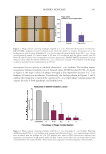
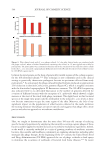
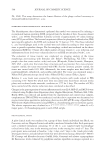
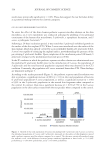
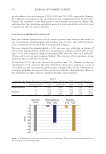
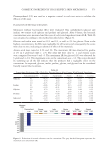
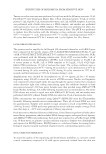
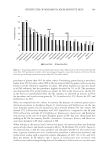
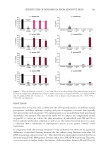
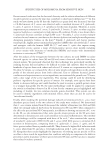
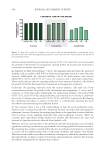
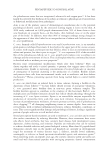
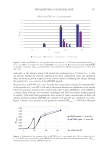
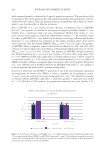
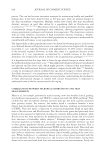
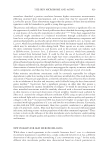
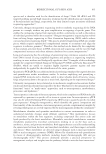
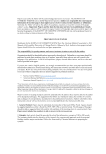
DMSO nor pKTSKS (Figure 5) affected S. epidermidis growth. These results can be compared
with those displayed in Figure 2 to highlight the role of pKTSKS on bacterial growth.
Furthermore, S. epidermidis abundance in the microbiota of volunteers was also measured
during the clinical trial described above. S. epidermidis population was not modified by
pKTSKS in vivo: +15.4% (p =0.36). These data confirm that pKTSKS inhibits C. acnes
without modulating S. epidermidis growth.
EFFECT OF PKTSKS ON EPIDERMIS
Skin barrier functions. The epidermal barrier is one of the keystones of our body’s protection.
A good barrier preserves skin hydration and provides a healthy substrate for resident
microbiota. It requires an epidermis whose keratinocytes are fully differentiated. Incomplete
keratinocytes differentiation can lead to thinning of the stratum corneum and to a greater
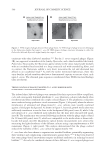
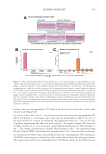
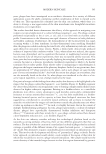
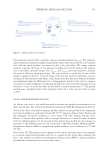
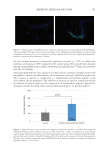
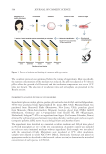
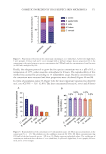
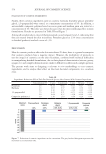
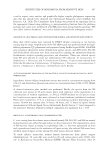
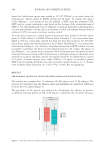
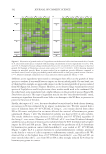
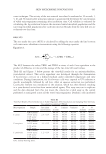
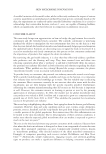
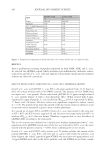
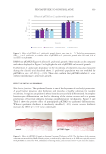
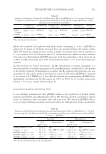
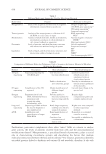
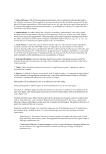
penetration of bacterial allergens favoring proinflammatory mechanisms. Figure 6 and
Table I show the positive effect of pentapeptide pKTSKS on epidermal differentiation.
Whereas epidermis thickness is moderately modified (−6%), stratum corneum thickness
increases by 186% (p 0.01 versus control gel).
1.3
1.35
1.4
1.45
1.5
1.55
1.6
30h 20h
Time (h)
Effect of pKTSKS on S. epidermidis growth
Solvent control pKTSKS 6ppm pKTSKS 9ppm pKTSKS 12ppm
Figure 5. Effect of pKTSKS on S. epidermidis growth kinetic over time (n =7). Turbidity measurements
(OD600nm) on S. epidermidis, to evaluate effect of pKTSKS on S. epidermidis growth after 20 h and 30 h of
treatment with pKTSKS.
Figure 6. Effect of pKTSKS (9 ppm) on Stratum Corneum Thickness in LSE. The thickness of the stratum
corneum was measured in H&E-stained sections, as indicated by white bars (n =4). LSE were topically treated
with pKTSKS or control for 48 h, embedded in freezing media, and sectioned into 5–7 µm slices for analysis.
OD
600nm
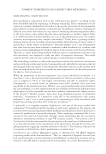
DMSO nor pKTSKS (Figure 5) affected S. epidermidis growth. These results can be compared
with those displayed in Figure 2 to highlight the role of pKTSKS on bacterial growth.
Furthermore, S. epidermidis abundance in the microbiota of volunteers was also measured
during the clinical trial described above. S. epidermidis population was not modified by
pKTSKS in vivo: +15.4% (p =0.36). These data confirm that pKTSKS inhibits C. acnes
without modulating S. epidermidis growth.
EFFECT OF PKTSKS ON EPIDERMIS
Skin barrier functions. The epidermal barrier is one of the keystones of our body’s protection.
A good barrier preserves skin hydration and provides a healthy substrate for resident
microbiota. It requires an epidermis whose keratinocytes are fully differentiated. Incomplete
keratinocytes differentiation can lead to thinning of the stratum corneum and to a greater
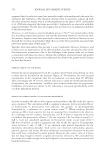
penetration of bacterial allergens favoring proinflammatory mechanisms. Figure 6 and
Table I show the positive effect of pentapeptide pKTSKS on epidermal differentiation.
Whereas epidermis thickness is moderately modified (−6%), stratum corneum thickness
increases by 186% (p 0.01 versus control gel).
1.3
1.35
1.4
1.45
1.5
1.55
1.6
30h 20h
Time (h)
Effect of pKTSKS on S. epidermidis growth
Solvent control pKTSKS 6ppm pKTSKS 9ppm pKTSKS 12ppm
Figure 5. Effect of pKTSKS on S. epidermidis growth kinetic over time (n =7). Turbidity measurements
(OD600nm) on S. epidermidis, to evaluate effect of pKTSKS on S. epidermidis growth after 20 h and 30 h of
treatment with pKTSKS.
Figure 6. Effect of pKTSKS (9 ppm) on Stratum Corneum Thickness in LSE. The thickness of the stratum
corneum was measured in H&E-stained sections, as indicated by white bars (n =4). LSE were topically treated
with pKTSKS or control for 48 h, embedded in freezing media, and sectioned into 5–7 µm slices for analysis.
OD
600nm