621 Pentapeptide to Control Acne
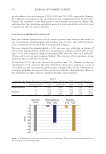
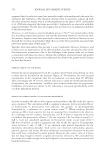
Media was removed and replaced with fresh media containing C. acnes +pKTSKS or
vehicle for 24 hours or 48 hours. Secreted IL-6 was measured from cell culture media.
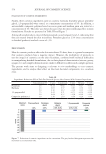
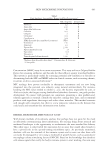
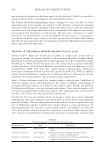
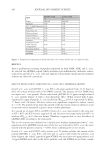
Table III shows the strong increase of this cytokine by human skin cells in response to
C. acnes contact: ×8.5 for sebocytes and ×371 for keratinocytes which are more sensitive
than sebocytes. Pentapeptide pKTSKS decreases, with dose-dependency, IL-6 release by up
to 48% in sebocytes and by up to 89% in keratinocytes (all p 0.01 versus their respective
control).
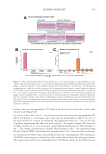
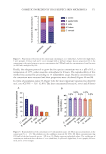
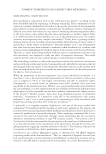
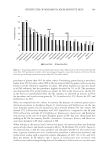
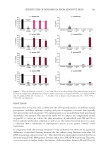
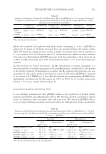
IL1-Ra production by human keratinocytes. IL-1Ra (interleukin-1 receptor antagonist) is a
naturally produced cytokine antagonist to the proinflammatory cytokine IL-1a, also known
as the master-regulator of inflammatory response. IL1-Ra production by keratinocytes was
quantified in cell culture media of keratinocytes treated with either pKTSKS (6–12 ppm)
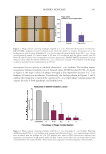
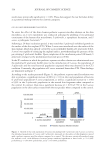
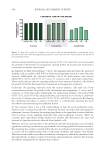
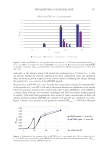
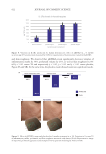
or its solvent (0.1% DMSO) for 3 days. Results showed that pentapeptide pKTSKS dose-
dependently stimulates the IL-1Ra release by 167% to 283% for 6–12 ppm respectively
(both p 0.01 versus control solvent Figure 8).
EVALUATION OF PKTSKS IN CLINICAL TESTS
In vitro findings demonstrated that pKTSKS enhances the production of dermal matrix
proteins and exhibits anti-inflammatory effects. We therefore decided to perform a clinical
study on volunteers with acne-prone skin and acne scars. We assessed pKTSKS efficacy
in vivo in three different parameters associated with acne: inflammatory marks, pockmarks,
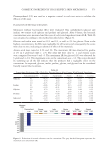
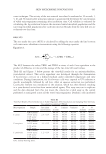
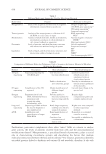
Table II
Synthesis of Collagen-I, Collagen-IV, and Fibronectin, Effect of pKTSKS (n =5). Secretion of Collagen-I,
Collagen-IV, and Fibronectin in Supernatants of Fibroblasts Treated With 10 ppm pKTSKS for 3 Days.
Quantification was Performed by ELISA
Collagen-I
pg/106cells
Variation (%)Collagen- IV
pg/106cells
Variation (%)Fibronectin
ng/106cells
Variation
(%)
Solvent
Control
589.4 ± 32.7 Reference 687 ± 22 Reference 16,896 ± 1,030 Reference
pKTSKS
10ppm
1,676.9 ± 147.3 +184%
p 0.01
1,360 ± 203 +98%
p 0.01
28,234 ± 3,841 +67%
p 0.01
*No cell toxicity was observed
Table III
Variation in IL-6 Production by Human Sebocytes and Keratinocytes Effect of pKTSKS (n =3–6). IL-6
Secretion (pg/106 cells) Measured by ELISA in Supernatants of Sebocytes and Keratinocytes Treated With
C. acnes +/− pKTSKS
Sebocytes Keratinocytes
IL-6
(pg/106 cell.)
Variation (%)IL-6
(pg/106 cell.)
Variation (%)
Control without C. acnes 11 ± 2 Ref1. 4 ± 1 Ref1.
Control +C. acnes 94 ± 19 Ref2. (X8.5 vs ref1) 1,484 ± 102 Ref2. (X371 vs ref1)
pKTSKS 6 ppm +C. acnes 84 ± 15 −11% ns 415 ± 22 −72% p 0.01
pKTSKS 9 ppm +C. acnes 70 ± 12 −26% p 0.05 176 ± 16 −88% p 0.01
pKTSKS 12 ppm +C. acnes 49 ± 7 −48% p 0.01 165 ± 15 −89% p 0.01
*No cell toxicity was observed. (ns): non-significant
Media was removed and replaced with fresh media containing C. acnes +pKTSKS or
vehicle for 24 hours or 48 hours. Secreted IL-6 was measured from cell culture media.
Table III shows the strong increase of this cytokine by human skin cells in response to
C. acnes contact: ×8.5 for sebocytes and ×371 for keratinocytes which are more sensitive
than sebocytes. Pentapeptide pKTSKS decreases, with dose-dependency, IL-6 release by up
to 48% in sebocytes and by up to 89% in keratinocytes (all p 0.01 versus their respective
control).
IL1-Ra production by human keratinocytes. IL-1Ra (interleukin-1 receptor antagonist) is a
naturally produced cytokine antagonist to the proinflammatory cytokine IL-1a, also known
as the master-regulator of inflammatory response. IL1-Ra production by keratinocytes was
quantified in cell culture media of keratinocytes treated with either pKTSKS (6–12 ppm)
or its solvent (0.1% DMSO) for 3 days. Results showed that pentapeptide pKTSKS dose-
dependently stimulates the IL-1Ra release by 167% to 283% for 6–12 ppm respectively
(both p 0.01 versus control solvent Figure 8).
EVALUATION OF PKTSKS IN CLINICAL TESTS
In vitro findings demonstrated that pKTSKS enhances the production of dermal matrix
proteins and exhibits anti-inflammatory effects. We therefore decided to perform a clinical
study on volunteers with acne-prone skin and acne scars. We assessed pKTSKS efficacy
in vivo in three different parameters associated with acne: inflammatory marks, pockmarks,
Table II
Synthesis of Collagen-I, Collagen-IV, and Fibronectin, Effect of pKTSKS (n =5). Secretion of Collagen-I,
Collagen-IV, and Fibronectin in Supernatants of Fibroblasts Treated With 10 ppm pKTSKS for 3 Days.
Quantification was Performed by ELISA
Collagen-I
pg/106cells
Variation (%)Collagen- IV
pg/106cells
Variation (%)Fibronectin
ng/106cells
Variation
(%)
Solvent
Control
589.4 ± 32.7 Reference 687 ± 22 Reference 16,896 ± 1,030 Reference
pKTSKS
10ppm
1,676.9 ± 147.3 +184%
p 0.01
1,360 ± 203 +98%
p 0.01
28,234 ± 3,841 +67%
p 0.01
*No cell toxicity was observed
Table III
Variation in IL-6 Production by Human Sebocytes and Keratinocytes Effect of pKTSKS (n =3–6). IL-6
Secretion (pg/106 cells) Measured by ELISA in Supernatants of Sebocytes and Keratinocytes Treated With
C. acnes +/− pKTSKS
Sebocytes Keratinocytes
IL-6
(pg/106 cell.)
Variation (%)IL-6
(pg/106 cell.)
Variation (%)
Control without C. acnes 11 ± 2 Ref1. 4 ± 1 Ref1.
Control +C. acnes 94 ± 19 Ref2. (X8.5 vs ref1) 1,484 ± 102 Ref2. (X371 vs ref1)
pKTSKS 6 ppm +C. acnes 84 ± 15 −11% ns 415 ± 22 −72% p 0.01
pKTSKS 9 ppm +C. acnes 70 ± 12 −26% p 0.05 176 ± 16 −88% p 0.01
pKTSKS 12 ppm +C. acnes 49 ± 7 −48% p 0.01 165 ± 15 −89% p 0.01
*No cell toxicity was observed. (ns): non-significant