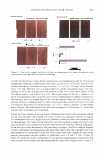
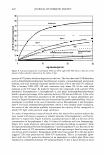
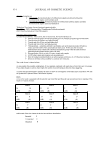
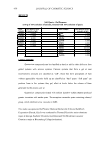
466 JOURNAL OF COSMETIC SCIENCE POLYMERIC DELIVERY SYSTEMS FOR HAIR CONDITIONER ACTIVES Bruce Beard, Ph.D. and Andress K. Johnson, Ph.D. Akzo Nobel, New York Introduction There are several methodologies used to substantiate claims with respect to hair conditioners that can be split into subjective and objective tests. The subjective methodologies include hair panel tests using either hair tresses or actual people at salons with a national brand used as a reference. Objective measurements typically include instruments techniques such as combing force reduction compared to an untreated tress or visual analysis such as Electron microscopy for viewing physical changes in the hair fiber as a result of a treatment. X-ray Photoelectron Spectroscopy (XPS) is another unique tool that can offer insight into the actual deposits on the hair fiber that accounts for the perceived or measure benefits. Due to the chemical nature of commonly used conditioner actives these can be easily detected on the hair surface by monitoring either the silicone or quaternary nitrogen signals. Secondly the characteristic signals of sulfur and non-quaternary nitrogen from the underlying hair fiber allow determination of treatment coverage. In the following study a nonionic polymer was identified as giving an intensive hair conditioner formula superior performance over a national brand in subjective panel tests. XPS analysis was used to investigate the influence of this polymer on the deposition and coverage of hair conditioner actives on the hair fibers. Methodology Medium brown European hair tresses were pbtained from International Hair Importers & Products Inc, New York. The hair tresses were bleach damaged with a generic formulation containing hydrogen peroxide, SLS, bisulfide and ammonia. The intensive hair conditioner formula contained 0.8% Stearylamdiopropyl dimethylamine, 2.75% Di-palmitoylethyldimonium chloride and 0.9% Dimethicone with 0.6% optional polymer. The application of the conditioner was done by the following methods: Dispersion -damaged hair tresses were exposed to a 10% dispersion of the conditioner formulation with and without polymer for 60 seconds at 35-40°C then rinsed for 30 seconds at 35-40°C Direct - 1 gram of conditioner formulation with and without polymer was directly rubbed onto the damaged hair tresses for 60 seconds then rinsed for 30 seconds at 35-40°C. Combing Tests Panel tests - Hair tresses that had been exposed to a 10% dispersion of the hair conditioner with and without polymer or national brand were placed side by side into clamps, then using a comb with wide teeth were combed to remove all the knots. A set of -15 panelists compared the tresses on ease of combing using the narrow teeth on the comb and indicated a preference. Wet Comb - The wet combing force was measured by using the load cell of a Dia-Stron Miniature Tensile Tester (MTT). When the comb is pulled through a wet hair tress, reduction in total work done is compared to an untreated hair tress. Dry Comb -The dry combing force was measured by using the load cell of a Dia-Stron Miniature Tensile Tester (MTT). When the comb is pulled through a dry hair tress, reduction in total work done is compared to an untreated hair tress. XPS Analysis XPS analysis was performed on mounted hair fibers from various treated hair tresses using a Physical Electronic 5600 spectrometer. Low resolution elemental composition scans were collected first to identify the elements present at the surface of the fiber. Subsequent high resolution scans were performed to obtain chemical state information for the identification of specific chemical structures of the hair or conditioner molecules on the hair fiber. SEM Electron microscope images were collected with a Zeiss EVO-50 XVP instrument. Images for this work were collected with a secondary electron detector. Probe beam energy was 20KV. A thin coating of Au was evaporated onto the surface of the fibers to minimize charge buildup. Magnifications of I0Kx of the samples treated using both application methods with and without the polymer.

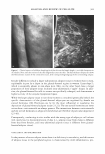
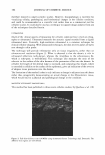
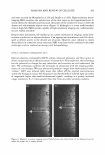
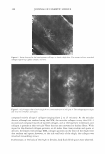
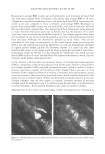
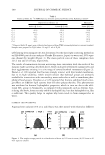
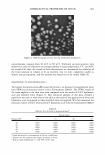
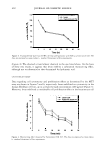
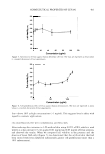
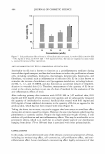
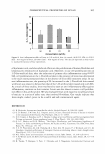
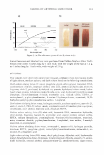
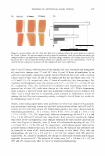
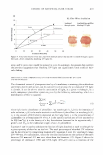
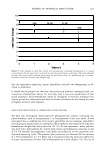
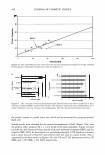
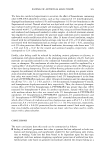
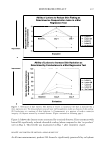
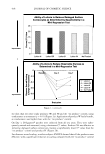
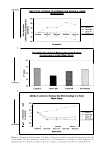
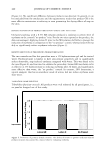
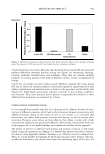
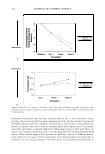
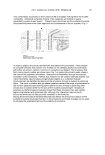
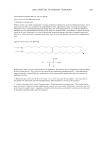
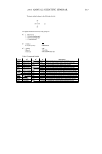
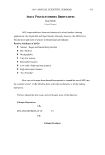
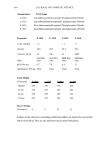
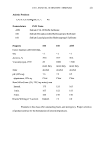
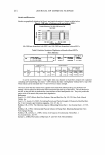
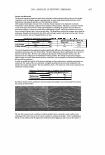
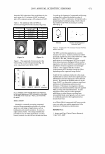
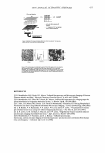
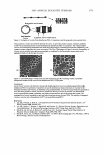
2005 ANNUAL SCIENTIFIC SEMINAR Results and Discussion Initial panel tests using dispersion application of the hair condition found a 66% preference for the hair conditioner with the polymer against a national brand. A repeat study found a 64% preference of the formulation containing the polymer over the formulation without. XPS analysis found higher silicone levels on the hair tresses exposed to the dispersed conditioner formulation with the polymer compared to the formula without polymer. This data is consistent with the results of the panel test preference study. The formulation containing the polymer does not show any quaternary nitrogen or characteristic hair fiber sulfur/nitrogen signals, indicating a uniform silicone over layer coverage of greater than 7 run on the hair fiber. The formulation without the polymer shows both the quaternary nitrogen and characteristic hair fiber sulfur/nitrogen signals indicating a patchy and/or thinner layer of the silicone with an estimated thickness of 4run. XPS Results: De sition of Silicone and Formula Silicone Atom o/o Dis ersion 19.8 0.97 18.9 0.77 The results demonstrate the application method significantly influences the deposition of the silicone and quaternary ammonium salts onto the hair fiber. The direct application shows significantly lower levels of silicone on the hair fiber. However, the conditioner formulation with the polymer still has twice the deposited silicone compared to the formulation without polymer. The amount of quaternary nitrogen appears higher in the hair fibers treated with the conditioner with the polymer, but additional data indicates this may not be significant. In order to confirm the benefits of the nonionic polymer in direct application a combing experiment was conducted. The results of the wet comb show no significant difference between the conditioner with polymer and without the polymer. The dry comb does show a 10% reduction in the tresses exposed to the conditioner with the polymer. InDuence of Nonionic Pol mer on Combin Force Reduction Formula Combin uctlon % 77 53 79 42 Hair fibers treated with the conditioner with and without the polymer were viewed under the electron microscope as shown below: The hair fiber exposed to the conditioner with the polymer shows a smoother cuticle surface and a cementing of the cuticle that is not seen in the conditioner without the polymer. These morphological effects are not influenced by the application method, but their magnitude and extent on the surface is. 467
Purchased for the exclusive use of nofirst nolast (unknown)
From: SCC Media Library & Resource Center (library.scconline.org)