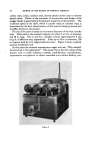
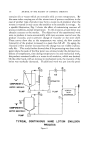
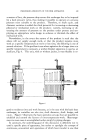
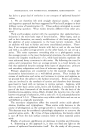
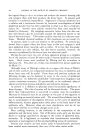
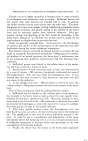
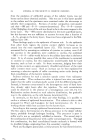
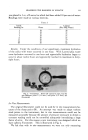
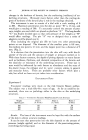
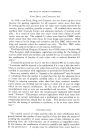
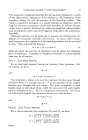
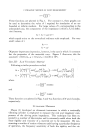
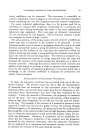
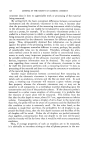
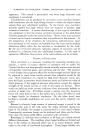
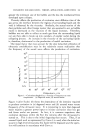
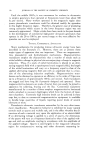
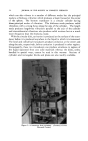
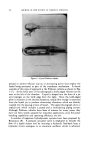
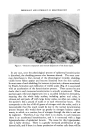
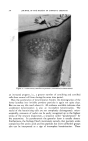
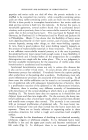
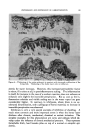
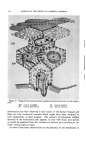
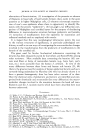
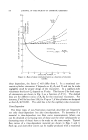
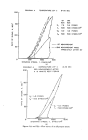
MEASURING THE HARDNESS OF KERATIN 537 Experiment II The role of the underlying structures on Tonometer readings can be easily illustrated by an experiment using the dorsum of the hand. Readings were made in the same area that is, without moving the machine at all by placing the hand on a flat table top. Results. Obviously, clenching the fist increases the firmness of the underlying structures and there was a decrease in the amount of pene- tration. This reflects itself in the Tonometer readings (Fig. 3 and 4). Figure 3.--Tonometer reading--hand flat. Figure 4.--Same Tonometer reading with hand clenched.

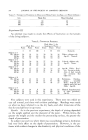
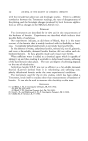
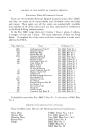
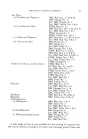
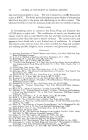
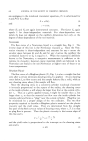
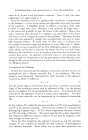
538 JOURNAL OF THE SOCIETY OF COSMETIC CHEMISTS TABLE 7--ToNOMETER READINGS ON DO•SUM OF HAND, USING THE SMAIA,EST POINT (0.8mm.) Gm. Hand Flat Hand Clenched 100 80 40 200 100 70 400 110 90 Experiment III An attempt was made to study the effects of hydration on the keratin of the living subjects. TABLE 8--ToNOMETEK READINGS Heel After 1/2 hr. . -Heel Dry --, •-Soaking in Water-• Point Point Point Point Point Point I II III I II III Remarks Su•ect # 1 Wt. 100 gr. 30 18 16 30 26 200 gr. 34 40 40 46 40 400 gr. 56 55 52 58 50 Su•ect # 2 Wt. 100 gr. 20 20 14 27 20 200 gr. 35 34 29 35 34 400 gr. 48 48 42 48 48 Su•ect # 3 Wt. 100 gr. 18 15 15 26 16 200 gr. 35 33 28 38 34 400 gr. 45 42 38 50 46 Subject # 4 Wt. 100 gr. 32 30 20 35 38 200 gr. 43 42 34 52 41 400 gr. 58 55 48 70 68 16 White--thinner sole. 38 Age 43. Normal. 52 19 Colored--thicker sole. 32 Age 43. Norm. 48 14 Age 84. White. Psori- 28 asis. Severe on body. 38 Area of heel tested not psoriatic but edges are. 28 Exoeoliative. Erythro- 40 derma (possible 55 M.F.). Sole red, soft, slightly scaly, but not thick. Age 60. Subject # 5 Wt. 100 gr. 15 10 8 29 22 16 Marked hyperkeratosis 200 gr. 30 26 24 45 40 36 of soles (psoriasis). 400 gr. 48 39 34 62 56 50 Age 44. Five subjects were used in this experiment. There were two which we can call normal, and three with evident pathology. Readings were made on what we have referred to as the dry heels, and after immersion of the foot for one-half hour in tap water. Results. As in the previous experiment,' the depth of pitting depended on the weight applied and the diameter of'the point. Within limits, the greater the weight and the smaller the penetrating surface, the greater the depth of penetration. In subject one and two where there was no pathology present, hydradon had very little effect on the depth of penetration. However, in the pa- tients with evident changes in the chemistry and physical conditions of the
Purchased for the exclusive use of nofirst nolast (unknown)
From: SCC Media Library & Resource Center (library.scconline.org)