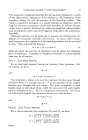
THE ROLE OF COLOR IN COSMETICS* By D. H. POWEp, S 14/arner-Lambert Pharmaceutical Co., Inc., Morris Plains, N. 7. WHILE IT IS well known that Perkin's contribution to the develop- ment of synthetic dyes also contributed to the development of better colors for cosmetics, it is not so well known that Perkin contributed to the art of perfumery which is also an important area of the cosmetic in- dustry. The first major contribution to the history of synthetic perfumery was made by Perkin, who first synthesized coumarin and revolutionized the concepts of perfume chemistry. Coumarin is known to have the odor of new-mown hay and when originally used it was obtained from the tonka bean and from lavender oil. Its structure had not been clearly identified but Perkin tackled its synthesis with new and untried pro- cedures. He reacted salicylic aidehyde with sodium acetate and acetic anhydride and was able to isolate and purify a coumarin equal to any of the products extracted from the tonka bean. He paved the way for the future synthesis of hundreds of perfume oils and flavoring agents. There is every reason to believe that co/or in cosmetics is as old as the cosmetic industry itself and it is probable that the earliest cosmetics were little more than color. A_ free translation of one of Ovid's ode recom- mended--"rouge a pale cheek and powder a red one." Certainly green ore of copper-Malachite was used as an eye shadow as early as 5000 B.C., and a mummy from the 18th Dynasty at about 1600 B.C. had her hair dyed red. In the Old Testament we find frequent reference to women who "painted their face." The value of color as a cosmetic is further illustrated by an Act introduced in England in 1770 which stated that "where paints, scents and cosmetic washes were used to seduce into matri- mony any of His Majesty's subjects they shall incur the penalty of the law in force against witchcraft and that the marriage upon conviction shall stand null and void"--so far as we know this Act is still in force. Clearly the British males were disturbed by the appeal of color in cos- roetics. With the brilliant researches of Perkin making available the wide range * Presented at The Perkin Centennial, September 10-14, 1956, New York City. 541

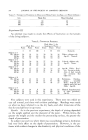
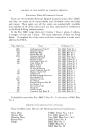
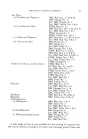
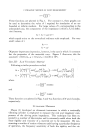
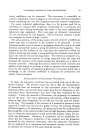
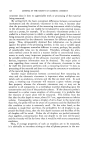
542 JOURNAL OF THE SOCIETY OF COSMETIC CHEMISTS of synthetic organic coloring agents, brighter and varihued cosmetics became available and the drab pigments were replaced by the brighter more attractive dyes and lakes. However the use of these coal tar dyes as coloring agents in foods, drugs and cosmetics caused the U.S. Congress considerable concern so that in 1900 funds were allocated for the general expense of the Bureau of Chemistry and included an item to enable the Secretary of Agriculture to investigate the character of proposed food pre- servatives and "coloring matters," to determine their relation to diges- tion and health and to establish the principles which should guide their use. F•kST CEkT•I•.D Co•o•s Prior to the passage of the Federal Food and Drug Act of 1906, the Secretary of Agriculture appointed Bernard C. Hesse as an expert con- sultant on coal tar colors. Hesse had wide experience with the dyestuff manufacturers in Germany and studied the then available coal tar colors to determine what restrictions should be placed on their use. His work re- viewed the legislation in foreign countries regarding their use and included a thorough literature review and extensive chemical examinations in his own and in government laboratories. As a result of his study seven colors were accepted as harmless and a voluntary system of certification was set up in this country. These seven colors were: Color Index No. Name Certification No. 150 Orange I FD&C Orange No. 1 1180 Indigotine FD&C Blue No. 2 10 Naphthol Yellow FD&C Yellow No. 1 80 Poneeau 3R FD&C Red No. 1 184 Amaranth FD&C Red No. 2 773 Erythrosine FD&C Red No. 3 670 Light Green SF Yellowish FD&C Green No. 2 It was ten years before another color was added to this list and it was thirty years before eight more dyes were added to the first seven. All of these colors required very extensive pharmacological and toxicological tests to establish their harmlessness before they were accepted. The addi- tional eight dyes, the years they were approved and their Color Index Numbers are: Color Index No. Name Certification No. Year Added 640 22. 61 666 ß . Tartrazine FD&C Yellow No. 5 1916 Yellow AB FD&C Yellow No. 3 1918 Yellow OB FD&C Yellow No. 4 1918 Guinea Green B FD&C Green No. 1 1922 Fast Green FCF FD&C Green No. 3 1927 Poneeau SX FD&C Red No. 4 1929 Sunset Yellow FD&C Yellow No. 6 1929 Brilliant Blue FCF FD&C Blue No. 1 1930
Purchased for the exclusive use of nofirst nolast (unknown)
From: SCC Media Library & Resource Center (library.scconline.org)