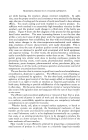
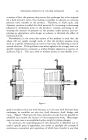
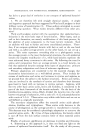
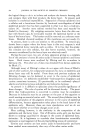
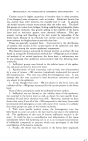
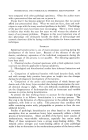
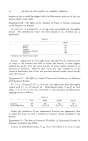
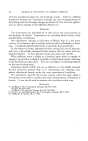
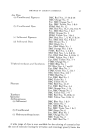
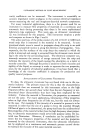
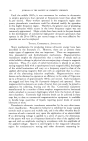
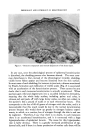
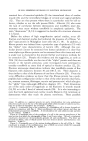
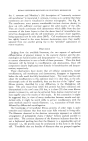
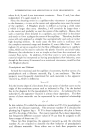
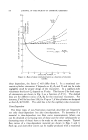
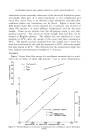
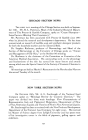
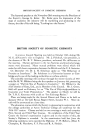
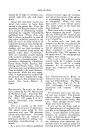
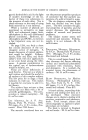
586 JOURNAL OF THE SOCIETY OF COSMETIC CHEMISTS . ...--::..- •,.• -• •. • . •,.: . ..• ', .• •., .- %4.-...•', • .:. ,.,•½ '• • :-'p'• : .• ....-.::- . . • .•-•.• ½ - .:-•:'• •:'½.. . •:, •.•. • :....7 .'?7 ,- ½ :-•.,::½•7 ' *•:•' '•'•'•... ½' • ' •' - .... . . • .. - -: . %. • .... . .'- ,.. :-.•'•4 •g':.- '. ---• •--' :'½ • ...'::•-:"%%.:.•- ... '..• . • : '.:'. -½ .... ,.4. ,:•:--• ., g', :---%... ,• • •-• .- . -L,..• - . .- %..• : = .a' -. • • .... -•. -% . • ---., . '':i ':::""• ..... .•, :..'5-.'• • '•: --.•:.. e -". ':.:.:: ½•. '... ,,... • '".' '•. -•. •.. . ....•' , .. • • . . -- .. .. :" :• .•. .• : .... !.•... '• .... :.. ( .,-,. •..•-:.:..... - • '-, :•..• .• •:.:.. •. • ..... . ....... -. .. •,.• .... , .... - -.,' • .. - :, • ½ •::7' .. ?: ....:•-•, :½: '• .. •:• ...... . .... .. •: -,.._ ...:• •... ,: ' ,, . " " ':":,* '.:• ' -'- •'• •'• - - "-(• * * _'.L'•"•_• ' .•. • ........ .• ..... . ...... • • • • .... _. .... . .... '..%. .... ..• ...... : .... •. : . ::•. ,•,.%:• .... :: :•. - . •.... •.•-... :, • •: • ..... •. - •. '..:•: '•:,•-: •: -.•::: •:. • ..:• ..... '•..• • •: ,.....•..,,•:•. .• , ,.':• ,•:• ,'.•:: .... .• -:•'" •' • '- '•.• -.• :•,• • '- ..• ::•L •½•: • ..• • .•: ' •"• •. ..... • •-•. •,• .• • . .•: :.• • •- •.. . . . • ½ ß ..•:. 'j:• -_:• .-• . •. • -. -•½ • • ½• • e• ..". ' • - .•.. . ..... ... .... . . . .. .: .- •. ......... . . ..•.. .... • ..... ß . . :.•. .. -= --:.. ---.... :•:-• -• •..- •-. -.•.• ..... - .•: • •. ,:•-• • •-•-? ..... - : :-,•-3' '• "½ '• • • "'• .... - '•-"."' •-:'.•' •"--f•'.--.'-. .... :-: .: . •: • : - . -: • • .....• :.: .¾--' , •,.• : .•' • . ....... .... .• ..... -•. .•...':. ..•,....: •:-•.½• .• - ..,•..•... ..... • •.. -::.-• •. :• :. -- ..... .,. •,,- & • * •.:• .. '½ ,.. :•.: •. ,..•-,•½..•&...•-•%::-•, - ..•.:::-%% .• ..?" •i•,•'...'½• • -: :, ...... '.•:½ • .... • '%• "• ,•*-•-•..•'-•'.. ':•,-.. :• '•: ....-:,,.•:•Z•.•7•-.-"•.• ' .½? - ..:,, :.-..• •..,.,.....•. .... .%•.• •.•.-•.:'•.•%., '•.•,,.•..:•..:½• ,• ....... • ,.z-: '• • •-• .::':•..:::, -•- •..• •..•.•..•:.( ..•.• .... •---. • -• .•: '- ...•:• . •..• •, ..• • .•- -• . •.. •.-.: •.%•--•...•..: • . •:.• ':¾. :...* ..•. = -•.• . ' .. •-: '"• ' ..::%. 2' :: • , •.¾: h: •'•' ' ' -• • •.'-':'•' ?• •' • •::' 7 ... :• •' "' • "% :.. .... ..... .. . • , .½ ..• • ....... •.. •...: • -.. . . . ' ..... : -' :•. .... • ' '.: '.'. .... •' '?- ."'." - '--..•: '-] L.. -:- • --:-•:---•x . • :.. ½. -: • - •:.--C:.• • . .:- •-.4. - . ' ... •%.. ß. y • .: :%•%,.'" •.-: %. ,'...'*: :a: '½ .... .......... - %• •.-• •- .-,-. • . ............... . .... : Plate I. Figure 1.•Montage of two low magnification electron micr•raphs to show a section through the connective tissue and two cell layers of the epidermis of white human breast skin. The dertoo-epidermal junction runs diagonally across the lower photograph separating the basal

HUMAN EPIDERMIS REVEALED BY ELECTRON MICROSCOPE 587 first described in 1879. The filaments constituting the tonofibrils have therefore been called "tonofilaments" (1). When the filaments are directed, in bundles, from the nucleus to dermoepidermal junction they clearly correspond to what have been described as Herxheimer fibers. They lead to and terminate at a group of the rod-like granules at the cell membrane. It is interesting to speculate on this particular manner chosen by these fibrous cells to attach themselves to the comparatively acellular con- nective tissue. In columnar epithelia (8) or stratified squamous epithelia (7, 12) where filaments are not a prominent component of the epithelial cells no such groups of granules have been observed. In embryonic hu- man epidermis, before keratinization is evident, there is a similar absence of such peripheral granules. Thus these particular arrays of rodlets, or spheres, may be specifically related to the presence of the fibrous (pre- keratin) component of these epidermal cells. A contrary situation will be found in the case of the desmosomes (intercellular bridges) to be dis- cussed below, which are found in various cell types. MALPIGHIAN CELLS Several investigators have noted, in electron microscope studies, that these epidermal filaments are not continuous through the intercellular bridges (nodes of Bizzozero) (2, 3). What is observed as a single dense granule under the light microscope actually consists of two closely approxi- mated cell membranes with considerable density attached to the mem- branes in this restricted area. The filaments of one cell terminate at a broad area of density continuous with its cell membrane and those of the adjacent cell terminate at an identical area at its cell membrane directly opposite that of the first. See Figs. 6 and following. These dense areas are known, from histochemical studies (13) to contain phospholipid which may be responsible for their intense osmiophilia. Between the dense areas (i.e., separating the cell membranes) there is some homogeneous ma- terial of low electron density comparable to intercellular substance such as is found in many sites. This is more prominent in the higher than in the basal layers. Similar structures have been shown to constitute the cells from the connective tissue filaments, while portions of two prickle layer cells are included in the upper photograph. Mitochondria (m), pigment granules (P), and a portion of a nude- olus (n) are indicated. Cytoplasmic filaments run toward the dermis in basal cells and toward cytoplasmic bridges in prickle cells. The prickle cell apears to have separated from its neighbors at the cytoplasmic bridges (desmosomes) (b) while the basal cells are still closely attached to each other at the bridges with no intercellular spaces evident. Cytoplasmic filaments (tonofilaments) appear in equivalent quantity in the basal and spinous layer cells but are contiguous with the nuclear membrane in the basal cells only. Pigment granules are distributed throughout the basal cell cytoplasm. Neither the two mem- branes at the dertoo-epidermal junction nor detail of th• desmosomes are resolved in this low magnification (approx. 6150 X) view. (Reprinted through the courtesy of the Journl of Biophysical and Biochemical Cytology.)
Purchased for the exclusive use of nofirst nolast (unknown)
From: SCC Media Library & Resource Center (library.scconline.org)