373 Sensitive Skin Syndrome
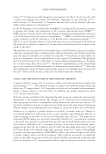
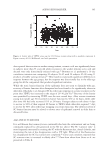
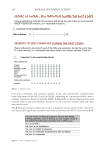
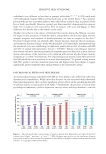
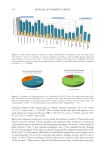
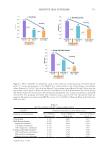
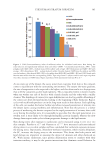
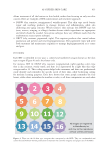
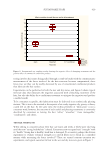
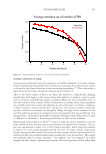
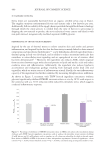
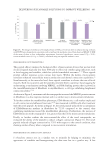
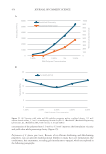
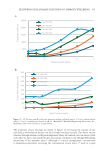
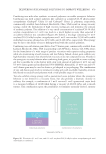
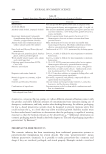
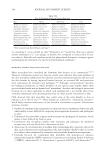
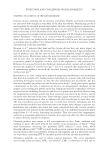
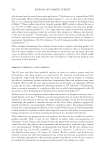
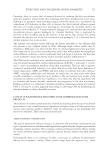
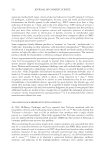
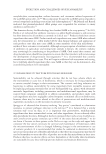
Figure 5. Effect of COVID-19 confinement on QoL. The study was conducted among 63 healthy women
aged 23–54 years old. Responses to the FQoL™ were collected prior to the 2020 pandemic stay-at-home
orders (February 19, 2020), 3 days after the March 15 stay-at-home orders (March 18), and 24 days after the
stay-at-home orders (April 7). Mean scores for the overall QoL (A), the Well-Being domain (B), and the Energy
and Vitality domain (C) are presented. The subdomains and domains were averages of responses to individual
items within that grouping, and means were. evaluated using a paired t-test. The two-sided p values are
reported. All analyses were done using JMP Pro version 14.2.0 and SAS 9.4 (Baiyang Wang-lead Statistician,
JMP, Cary, NC).
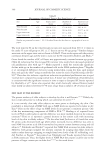
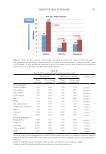
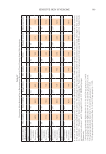
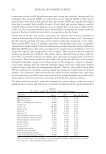
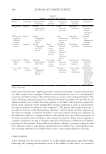
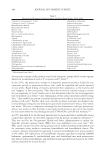
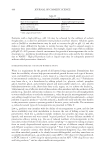
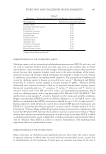
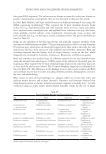
Table V
QoL Pre- and Post-COVID-19 Stay-At-Home Orders
FQoL™ Evaluation timepoint in 2020 (mean scores)
Domains and subdomains Pre-COVID-19
(February 19)
Early COVID-19
(March 18)
Day 24 COVID-19
(April 7)
Overall QoL 4.14* 3.63* 3.57*
Well-Being domain 4.76* 4.51* 4.32*
Emotion subdomain 4.88* 4.44* 4.35*
Self-Image subdomain 4.37* 4.32* 4.05*
Self-Competence subdomain 5.44* 5.14* 4.93*
Energy and Vitality domain 5.12* 4.72* 4.26*
Personal Pleasure subdomain 5.27* 4.76* 4.22*
Physical State subdomain 4.53* 4.38* 4.18*
Routine Activity subdomain 5.71* 5.16* 4.51*
*Significant, p 0.05.
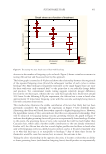
Figure 5. Effect of COVID-19 confinement on QoL. The study was conducted among 63 healthy women
aged 23–54 years old. Responses to the FQoL™ were collected prior to the 2020 pandemic stay-at-home
orders (February 19, 2020), 3 days after the March 15 stay-at-home orders (March 18), and 24 days after the
stay-at-home orders (April 7). Mean scores for the overall QoL (A), the Well-Being domain (B), and the Energy
and Vitality domain (C) are presented. The subdomains and domains were averages of responses to individual
items within that grouping, and means were. evaluated using a paired t-test. The two-sided p values are
reported. All analyses were done using JMP Pro version 14.2.0 and SAS 9.4 (Baiyang Wang-lead Statistician,
JMP, Cary, NC).
Table V
QoL Pre- and Post-COVID-19 Stay-At-Home Orders
FQoL™ Evaluation timepoint in 2020 (mean scores)
Domains and subdomains Pre-COVID-19
(February 19)
Early COVID-19
(March 18)
Day 24 COVID-19
(April 7)
Overall QoL 4.14* 3.63* 3.57*
Well-Being domain 4.76* 4.51* 4.32*
Emotion subdomain 4.88* 4.44* 4.35*
Self-Image subdomain 4.37* 4.32* 4.05*
Self-Competence subdomain 5.44* 5.14* 4.93*
Energy and Vitality domain 5.12* 4.72* 4.26*
Personal Pleasure subdomain 5.27* 4.76* 4.22*
Physical State subdomain 4.53* 4.38* 4.18*
Routine Activity subdomain 5.71* 5.16* 4.51*
*Significant, p 0.05.