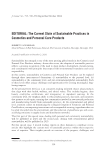
331 THE STATE OF SUSTAINABLE PRACTICES
future directions for the Cosmetics and Personal Care Products industry as it embraces
sustainability. In this editorial, I have attempted to briefly summarize the contributions
of each of the authors to provide an entry-point introduction to the topics and, hopefully,
demonstrate that this diverse range of topics are juxtaposed into a holistic, interconnected
wide-ranging topic.
EDITORIAL OVERVIEW
INTRODUCTION TO SUSTAINABILITY AT THE PERSONAL LEVEL
Sustainability at the personal level has deep historical roots, particularly in the evolution
of personal care products since the 19th century. Intrinsically tied to hygiene, personal
sustainability has been a driver for health maintenance practices that benefit both
individuals and their communities. This shift was not only a technological but also a
cultural revolution, redefining societal norms around cleanliness, hygiene, and decency.
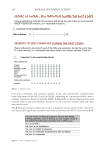
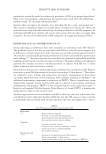
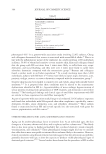
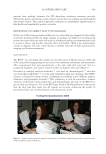
Living in single-roomed homes with no
bathroom, the act of washing one’s body
involved confrong415ng the taboo that arose from
the percepg415on that nakedness was indecent.
Consequently, bodily washing was avoided,
and dirt prevailed over hygiene.
In the 19th century, the lack of modern plumbing in homes discouraged regular bathing
and hygiene. The absence of private bathrooms further exacerbated this issue, creating
a societal clash between the need for hygiene and the prevailing moral attitudes about
modesty.1 Public attitudes equated dirt and body odor with virtue, relegating bathing
to infrequent, superficial practices.2 The redefinition of “clean” and “dirty” began to take
hold only after Louis Pasteur’s discovery of microorganisms as vectors of disease, gradually
leading to the acceptance of modern hygiene practices.
Initially, cleanliness was more about appearances—clean clothes, changeable collars, and
the use of perfumes to mask body odor. However, cosmetic companies began playing a
pivotal role in transforming the public perception of hygiene. By linking cleanliness to
beauty and social acceptability, they sidestepped the cultural contention between hygiene
and morality. Notably, Pears Soap’s use of actress Lillie Langtry in 1882 as an endorser
tied cleanliness to elegance and decency, paving the way for broader acceptance of personal
hygiene.
This trend continued with the introduction of products like Lifebuoy soap in 1895,
marketed not only as a household hygiene product but also as a tool to combat diseases
like cholera.3 Over time, formulations improved to address safety concerns, such as the
future directions for the Cosmetics and Personal Care Products industry as it embraces
sustainability. In this editorial, I have attempted to briefly summarize the contributions
of each of the authors to provide an entry-point introduction to the topics and, hopefully,
demonstrate that this diverse range of topics are juxtaposed into a holistic, interconnected
wide-ranging topic.
EDITORIAL OVERVIEW
INTRODUCTION TO SUSTAINABILITY AT THE PERSONAL LEVEL
Sustainability at the personal level has deep historical roots, particularly in the evolution
of personal care products since the 19th century. Intrinsically tied to hygiene, personal
sustainability has been a driver for health maintenance practices that benefit both
individuals and their communities. This shift was not only a technological but also a
cultural revolution, redefining societal norms around cleanliness, hygiene, and decency.
Living in single-roomed homes with no
bathroom, the act of washing one’s body
involved confrong415ng the taboo that arose from
the percepg415on that nakedness was indecent.
Consequently, bodily washing was avoided,
and dirt prevailed over hygiene.
In the 19th century, the lack of modern plumbing in homes discouraged regular bathing
and hygiene. The absence of private bathrooms further exacerbated this issue, creating
a societal clash between the need for hygiene and the prevailing moral attitudes about
modesty.1 Public attitudes equated dirt and body odor with virtue, relegating bathing
to infrequent, superficial practices.2 The redefinition of “clean” and “dirty” began to take
hold only after Louis Pasteur’s discovery of microorganisms as vectors of disease, gradually
leading to the acceptance of modern hygiene practices.
Initially, cleanliness was more about appearances—clean clothes, changeable collars, and
the use of perfumes to mask body odor. However, cosmetic companies began playing a
pivotal role in transforming the public perception of hygiene. By linking cleanliness to
beauty and social acceptability, they sidestepped the cultural contention between hygiene
and morality. Notably, Pears Soap’s use of actress Lillie Langtry in 1882 as an endorser
tied cleanliness to elegance and decency, paving the way for broader acceptance of personal
hygiene.
This trend continued with the introduction of products like Lifebuoy soap in 1895,
marketed not only as a household hygiene product but also as a tool to combat diseases
like cholera.3 Over time, formulations improved to address safety concerns, such as the