335 THE STATE OF SUSTAINABLE PRACTICES
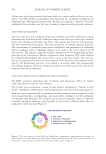
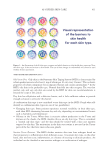
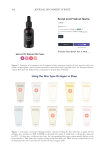
The Future of Skincare is AI-Powered Personalization. This is the belief of Dr. Baumann,
who describes how the integration of artificial intelligence into skincare is redefining how
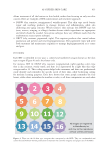
individuals approach their routines. At the heart of this transformation lies the Baumann
Skin Typing System, a 16-type diagnostic framework developed through decades of
dermatological research. This system, paired with tools like the Baumann Skin Type
Indicator and the Regimen Management System, provides an unparalleled foundation for
personalized skincare design.
The Regimen Management System software, which catalogs over 40,000 regimen
combinations with detailed product tagging, empowers professionals and consumers to
create tailored routines that address multiple skin concerns simultaneously. By leveraging
augmented intelligence, AI systems analyze vast skincare datasets, identify user preferences,
and recommend precise products, leading to improved compliance and outcomes.
This innovation places new demands on cosmetic chemists, requiring them to formulate
advanced solutions targeting diverse and complex skin needs. As AI models integrate
the Baumann Skin Typing System knowledge and dermatologist-backed datasets, the
possibilities of AI-driven skincare personalization not only enhance individual skin health
but also revolutionize how the world approaches skincare shopping. The ability to create
scientifically grounded, highly individualized routines marks a new era in beauty and
wellness—one where data, innovation, and dermatological expertise converge to deliver
solutions tailored to every skin type and lifestyle.
HEALTHY HAIR
Sustainable Hair. In a revealing article, Dr. Evans contrasts the facts about what we know
of hair structure, behavior, and function with the often-inaccurate terms that are used by
practitioners and marketers, and that can mislead them from understanding and effective
problem-solving.
He relates that Mother Nature could never have anticipated the damage inflicted on hair
in the pursuit of beauty. While consumers recognize the risks of harsh practices, they often
prioritize results over potential harm. Misconceptions about ingredients like sulfates and
silicones, fueled by social media and influencers, have widened the gap between science
and consumer beliefs. The rise of e-commerce has made it difficult to regulate misleading
claims, shifting oversight from industry self-policing to legal action, often resembling
opportunistic lawsuits.
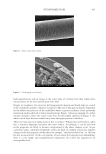
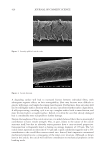
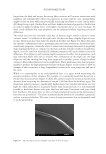
Once hair emerges from the scalp, it faces various stressors throughout its 3–6-year
lifespan. Growing about 0.5 inches per month, shoulder-length hair endures two years’
worth of accumulated damage at its tips. Over time, the hair’s strong structure degrades,
leading to worsened tactile properties, unruliness, and increased breakage. Despite these
changes, consumer misconceptions—such as the belief that hair “dries out” and requires
“moisturizing”—persist, even though science shows that elevated water content can worsen
hair properties. This highlights the gap between scientific understanding and consumer
language, which continues to create confusion in the industry.
Hair care products play an important role in the well-being and maintenance of hair.
Shampoos remove sebum, exogenous soils and product residues that would otherwise build
up and leave hair feeling greasy, dull and weighed down. Conditioners coat the hair with a
The Future of Skincare is AI-Powered Personalization. This is the belief of Dr. Baumann,
who describes how the integration of artificial intelligence into skincare is redefining how
individuals approach their routines. At the heart of this transformation lies the Baumann
Skin Typing System, a 16-type diagnostic framework developed through decades of
dermatological research. This system, paired with tools like the Baumann Skin Type
Indicator and the Regimen Management System, provides an unparalleled foundation for
personalized skincare design.
The Regimen Management System software, which catalogs over 40,000 regimen
combinations with detailed product tagging, empowers professionals and consumers to
create tailored routines that address multiple skin concerns simultaneously. By leveraging
augmented intelligence, AI systems analyze vast skincare datasets, identify user preferences,
and recommend precise products, leading to improved compliance and outcomes.
This innovation places new demands on cosmetic chemists, requiring them to formulate
advanced solutions targeting diverse and complex skin needs. As AI models integrate
the Baumann Skin Typing System knowledge and dermatologist-backed datasets, the
possibilities of AI-driven skincare personalization not only enhance individual skin health
but also revolutionize how the world approaches skincare shopping. The ability to create
scientifically grounded, highly individualized routines marks a new era in beauty and
wellness—one where data, innovation, and dermatological expertise converge to deliver
solutions tailored to every skin type and lifestyle.
HEALTHY HAIR
Sustainable Hair. In a revealing article, Dr. Evans contrasts the facts about what we know
of hair structure, behavior, and function with the often-inaccurate terms that are used by
practitioners and marketers, and that can mislead them from understanding and effective
problem-solving.
He relates that Mother Nature could never have anticipated the damage inflicted on hair
in the pursuit of beauty. While consumers recognize the risks of harsh practices, they often
prioritize results over potential harm. Misconceptions about ingredients like sulfates and
silicones, fueled by social media and influencers, have widened the gap between science
and consumer beliefs. The rise of e-commerce has made it difficult to regulate misleading
claims, shifting oversight from industry self-policing to legal action, often resembling
opportunistic lawsuits.
Once hair emerges from the scalp, it faces various stressors throughout its 3–6-year
lifespan. Growing about 0.5 inches per month, shoulder-length hair endures two years’
worth of accumulated damage at its tips. Over time, the hair’s strong structure degrades,
leading to worsened tactile properties, unruliness, and increased breakage. Despite these
changes, consumer misconceptions—such as the belief that hair “dries out” and requires
“moisturizing”—persist, even though science shows that elevated water content can worsen
hair properties. This highlights the gap between scientific understanding and consumer
language, which continues to create confusion in the industry.
Hair care products play an important role in the well-being and maintenance of hair.
Shampoos remove sebum, exogenous soils and product residues that would otherwise build
up and leave hair feeling greasy, dull and weighed down. Conditioners coat the hair with a