]. Cosmet. Sci., 59, 253-262 CTuly/August 2008) Protocol to predict the dry skin benefit from the unique in-shower body lotion product form KEITH ERTEL, VICTORRUBEN RODRIGUEZ, ROBERT BACON, RICHARD FARRIS, and PAULA HARTWIG, The Procter & Gamble Company, Sharon Woods Innovation Center, Cincinnati, OH 45241. Accepted for publication February 20, 2008. Synopsis A controlled exposure method was developed to predict dry skin improvement from a new in-shower body lotion product form. An in-shower body lotion is used in the shower after cleansing, and methods for cleansers and leave-on lotions are not applicable. Protocol parameters were chosen on the basis of consumer habits and practices studies and randomized clinical testing. The resulting protocol is consumer-relevant, and reliably and reproducibly predicts dry skin improvement from the in-shower body lotion product form. INTRODUCTION Moisturizers take on a variety of forms such as lotions or creams and are among the most commonly used cosmetic products. Consumer research conducted among a representa tive United States adult female populationa shows that 85% use a body moisturizer, with more than half applying a moisturizer at least once daily. Similar research conducted in Great Britain, the Philippines, China, Mexico, and Russia also shows a high percentage of body lotion use among adult females in those countries. 6 In most cases moisturizers are applied for the immediate cosmetic benefit they provide, e.g., camouflaging dry skin flakes or providing a barrier on the skin's surface. However, some moisturizers contain ingredients like petrolatum, glycerin, or niacinamide that can effect positive changes in skin condition such as improved stratum corneum barrier function or enhanced desqua mation (1-4). Thus, with continued use some moisturizers can provide functional ben efits to the skin. Dermatologists also recognize the benefits of moisturization 93% of dermatologists surveyed agreed that moisturized skin is healthier than dry skin. c Dermatologists often a Consumer habits and practices survey conducted among 1234 subjects, data on file, The Procter & Gamble Company. 6 Consumer habits and practices survey conducted among 2 1000 subjects in each country, data on file, The Procter & Gamble Company. c Survey of dermatologists, number of respondents = 360, data on file, The Procter & Gamble Company. 253

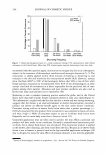
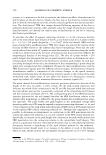
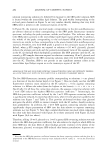
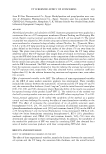
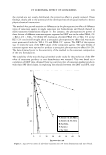
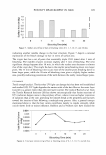
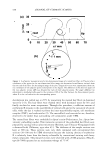
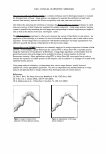
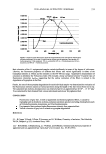
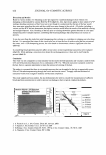
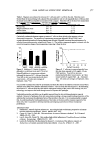
254 CD E 0 u CD E CD 0 CD CD CD 60 50 40 30 20 10 JOURNAL OF COSMETIC SCIENCE More Than Once Daily Once Daily 3-6 Times 1-2 Times Less Than Per Week Per Week Once Weekly Showering Frequency Figure 1. Showering frequency based on a study conducted among 1234 representative adult female consumers in the United States. More than 50% of participants reported showering at least once daily. recommend that their patients apply a moisturizer to mitigate dry skin or as a therapeutic adjunct in the treatment of dermatologic conditions such as atopic dermatitis (5-7). The moisturizer is ideally applied within three minutes of bathing or showering to seal moisture in the skin and maximize the moisturization benefit (8,9). However, surveys show that from 60%d to 70%c of dermatologists believe that 50% or less of their adult female patients moisturize as recommended. Over 83% of the dermatologists in these surveys cited lack of convenience as a factor responsible for the perceived lack of com pliance among their patients. Messiness and poor product aesthetics are also cited as factors that may cause patients not to moisturize (10). Showering is now a common cleansing practice around the globe, and in the United States more than half of adult female consumers shower at least once daily (Figure 1). This information, coupled with the fact that the skin is warm and wet during showering, suggests that the shower is an ideal environment to deliver moisturization, provided a product can deliver an effective benefit agent to the skin under shower conditions. Consumer testing with an in-shower body lotion shows that a greater percentage (J, 0.05) of consumers find this product form convenient to use compared to leave-on lotion, and that a high ( 40%) of consumers expect to use an in-shower body lotion more frequently and on more body areas than a leave-on lotion (11). Controlled application tests are often used to predict the skin effects a personal care product will have under in-use conditions. Recently a nontraditional moisturizer prod uct form, the in-shower body lotion, was introduced. This moisturizer product is applied in the shower, after cleansing, and then rinsed from the skin. Because an in-shower body lotion is not a cleanser, a protocol such as the leg-controlled application technique (12) that is designed to assess the skin effects of personal cleansers is not directly applicable. d Survey of dermatologists, number of respondents = 651, data on file, The Procter & Gamble Company.
Purchased for the exclusive use of nofirst nolast (unknown)
From: SCC Media Library & Resource Center (library.scconline.org)