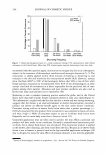
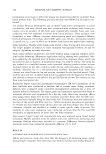
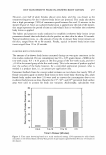
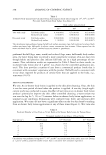
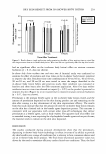
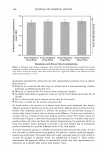
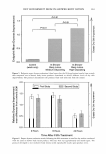
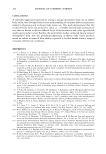
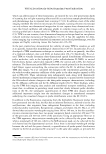
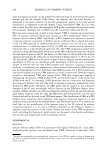
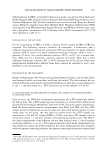
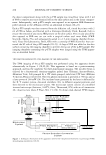
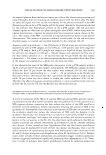
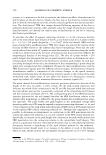
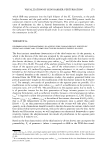
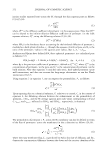
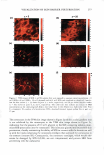
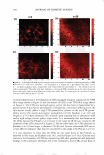
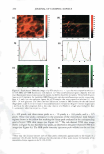
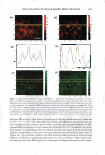
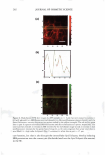
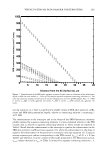
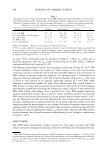
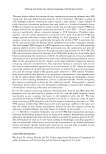
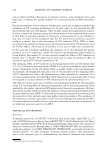
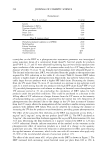
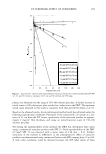
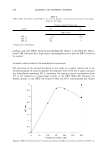
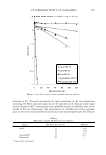
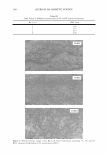
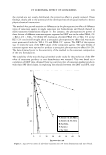
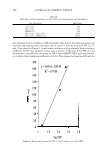
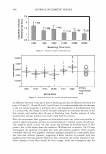
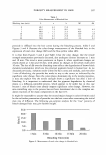
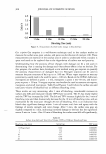
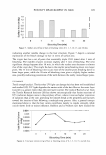
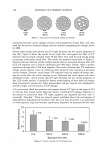
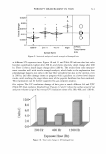
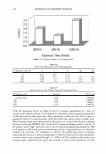
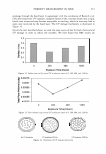
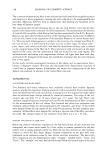
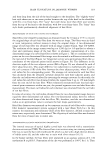
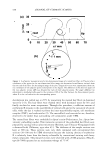
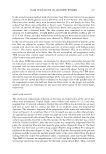
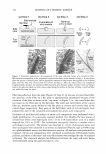
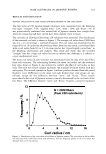
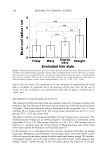
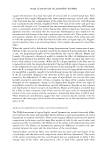
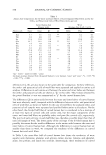
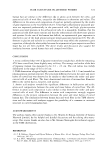
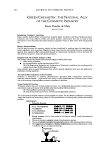
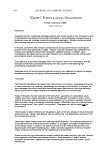
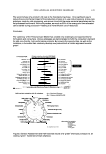
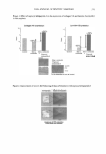
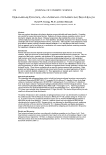
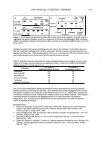
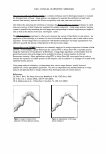
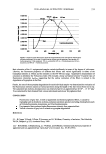
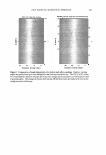
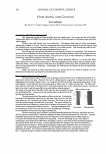
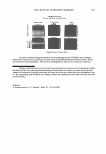
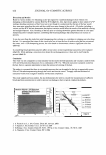
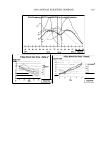
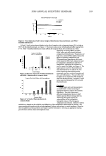
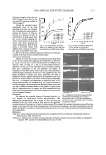
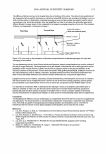
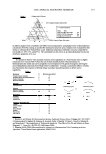
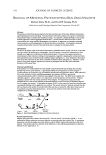
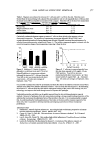
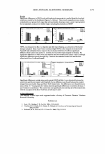
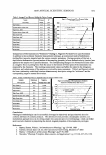
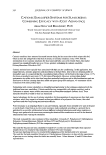
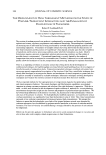
366 JOURNAL OF COSMETIC SCIENCE Dlscu ion and Re.sol Based on various studies, two bleaching cycles4 are required to e-quilibrate damage to h · r without over damaging as demonstrated by cationic Red Dye# 76 (chart 1). Also, hair tresses appear to have simil· L*a*b* readings denoting consistency of hair from root to tip though it is understood that the tips of the hair would have seen more aging than the roots and thus could have more damage to the cuticle. All studies, including a cationic red dye # 76, did not demonstrate that tip/root variation would affect the results of the artificial coloring and sunlight exposure. Also, bleaching of the hair prior to coloring showed the greatest decrease in color upon shampooing and or sunlight exposure confirming that bleaching damages hair and produces an increase in porosity. It was also seen from this study that initial shampooing after coloring is a contributor to stripping out color from the hair. It is speculated that some of this visual color loss is from the loss of surface color that has not entered the cortex, over a 15X shampooing process, the color based on chromometer, shows a significant color loss (chart 2). In considering broad spectrum sunscreen affect on hair color, several experimental sunscreens were evaluated (chart 3). While applying a sunscreen slows down the sun damage process, it does not by itself stop the process (chart 4). Conclusion This work was not compared to a solar simulator but the results showed (spectrally and visually) a need for both UVb and UVa protection (Sunscreen S or a combination of H + A). When the sunscreen is properly coated on the hair, there is a greater opportunity to retain the intense red coloring of the hair. The author is concerned that there is not enough sunscreen that can be applied to the hair to appreciably screen UVa or UVb radiation penetrating through the cuticle and into the cortex. To apply sufficient thickness of sunscreen would create a negative aesthetic and decrease compliance. This study supports previous studies, but also demonstrates the need to consider the incorporation of sufficient broad spectrum sun protection in order to prevent sun damage to hair in typical commercial products. 1:=r X -•-& X -1--10 X --No • • '10X Rme 1ex .__ ____________! r------ --- -- - --------------- 22.00 2000 +------ 1aoo ,. 1. S. Reutsch, et.al. J. Soc. Cosmet. Chem. 51, 103-125, 2000 2. V. Signori J. Soc Cosmet. Chem. 27, 95-113, 2004 3. E.Hoting J. Soc. Cosmet. Chem 48, 70-91, 1997 & J. Soc. Cosmet. Chem., 48, 70-91, 1007 4. A. Nogueira J. Soc. Cosmet. Chem, 55, 5, 2004

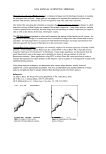
2008 ANNUAL SCIENTIFIC SEMINAR 367 First Screening f)EST C D I I I I I IDATES for punlig�Lprotection I •• • : : ... · � .. I •• • I I • � I I... \ I I: •• ."�'}·\. r1:" •••• _....-1'�--L._, • \ ·• . . .... .. . . . . .. .. . 240 2$0 260 270 280 290 300 310 320 330 3441 3IO 380 370 380 390 400 UV-c 5 Day Direct Sun Only - Delta a• Delta a from lnltl4l'�------ -- - 1+-----..--------- 5 ,.._p +-----'""'-c� ......... =---=--..-s 2 3 4 Day 5 .,._H Chart4a UV-a,, UV-a, Chart 3 5 Day Direct Sun Only - Delta E AE from Initial 7,.---- - - - -- - - - 6+--------- - - � - - 5 +---------�s,- -Notreatmer 4 ---A , -- P 3' i • H 2+--- - ��� i-s �1 - 2 3 Day 4 5 Chart4b
Purchased for the exclusive use of nofirst nolast (unknown)
From: SCC Media Library & Resource Center (library.scconline.org)