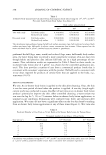
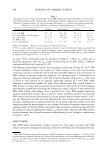
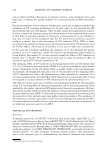
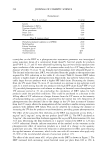
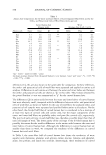
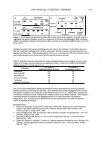
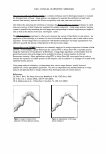
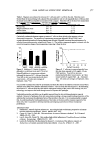
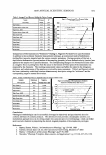
378 JOURNAL OF COSMETIC SCIENCE BARRIER REPAIR AF TER TAPE STRIPPING: EFFECTS OF SEMI-PERMEABLE MEMBRANES ON THE NATURAL MOISTURIZING FACTOR OF THE SKIN (NMF) Marisa H. Robinson1, Marty Visscher2, Ph.D. and R. Randall Wickett1, Ph.D. 1 University of Cincinnati College of Pharmacy 2 The Skin Sciences Institute, Cincinnati Children's Hospital Medical Center, Cincinnati, OH Introduction Semi-permeable wound dressings facilitate skin barrier recovery for superficial wounds, e.g., tape stripping. Varying humidity levels, such as those produced by semi-permeable dressings, are known to influence conversion offilaggrin into NMF(l). This study examined the relationship between these two known issues in skin health. The skin barrier was damaged in a controlled fashion by tape stripping to four times the baseline TEWL. The skin barrier recovery under varying humidity created by membranes of varying permeabilities was measured by biophysical methods (TEWL, rate of moisture accumulation [MAT], visual grading), as previously described (2). After 5 days ,skin surface samples were collected (D-Squames®) from all test sites for measurement ofNMF levels using our previously reported method(3). Materials and Methods Analytical Method: A D-Squarne® adhesive disc is removed from the skin and placed in a microcentrifuge tube with 300 µL of 6 mM perchloric acid and IO µL of 2 µmol/mL AABA. After 3 hours at room temperature, the liquid extract is transferred, and the D-Squame® is retained for protein analysis (Pierce BCA). 20 µL of the extract, 30 µL of borate buffer and 10 µL of Waters AccQ-Fluor derivatizing reagent arc placed in a HPLC microvial and vortexed for 5 seconds. Amino acid analyses are performed on a 15 cm C-18 reversed-phase column at 40° C under gradient conditions, with a run time of 40 minutes. Peaks are eluted in order of increasing hydrophobicity. Fluorescence detection is used with excitation at 250 nm and emission at 395 nm. Experimental Method: Fifteen volunteers with normal forearm skin were enrolled and 3 sites per arm were marked. Baseline biophysical measurements (MAT, TEWL) and visual grades for redness and dryness were made after a twenty-minute acclimation period. The skin barrier was tape stripped to four times the baseline TEWL, and measurements were repeated. The skin was treated with membranes of varying water vapor permeability and hydration (Table I). Subjects returned on days 3 and 5 for measurements and fresh treatment application. 15 D Squames® were taken sequentially on each site following measurement on day 5. During bathing, the forearms were protected from water for the duration of the study. Table I Stripping Treatment Permeability No No --- No Vigilon® 0%/wet Yes No l 00%, no occlusion Yes Saran® 0%, complete occlusion Yes Vigilon® 0%/wet Yes Gore-Tex® semipermeable

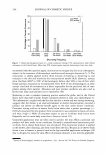
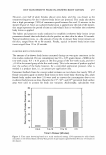
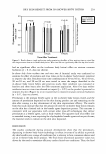
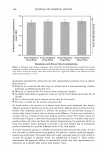
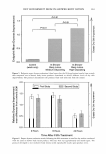
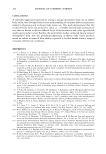
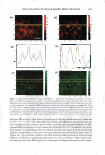
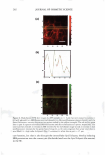
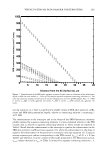
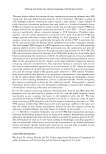
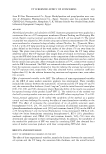
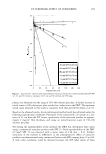
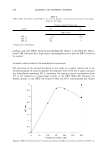
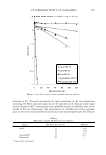
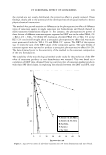
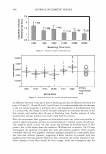
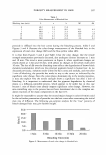
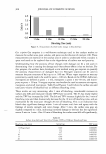
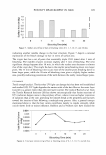
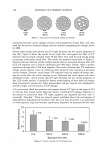
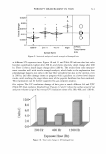
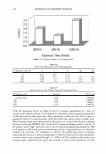
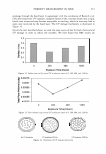
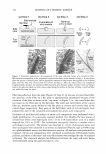
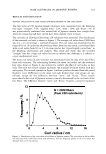
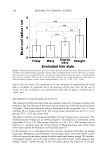
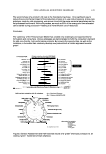
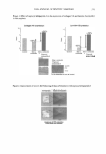
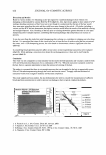
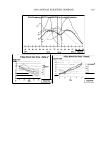
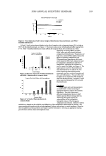
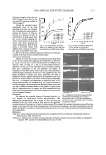
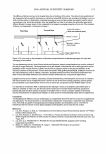
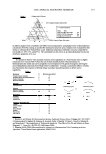
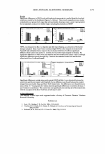
2008 ANNUAL SCIENTIFIC SEMINAR � Significant differences in NMF levels and biophysical measurements resulted from the localized conditions created by the treatments (Figures 1-4 below). These results support previous studies conducted by our group which argue that semi-permeable dressings create a water vapor gradient t is maximally conducive to barrier repair, including the production ofNMF. Figure 1 Transepiclermal W.al Lou (TEW\.) Dly3 Day5 DConlnll ■Sinn -� l!lGar.T• Figure 2: Moisture Accumul■tlon Test I A Tl 30 25 20 a 15 □a:ntd as.., ............. TEWL was measured on Day 1 at baseline and after tape-stripping, as a measure of the barrier damage sustained. Days 3 and 5 show continued high TEWL in the stripped site treated with Vigilon® and substantial barrier repair in the site treated with Gore-Tex® (no significant difference from control site at Day 5). Control site was neither tape-stripped nor treated. No significant differences in MAT were seen between the three treated sites at days 3 and 5, although significant differences persist through Day 5 between the untreated control site and the sites treated with Gore-Tex® and Saran®. Day5 □Conrol · ■IAgikrl Significant differences in total amino acid content (NMF) at Strip 1 were observed between the control site and the site treated with Vigilon®, but no difference was found between the control, stripped but unoccluded, Saran and Gore-Tex® treated sites. No differences were found between sites at Strip 10. Visual grades for redness showed significant differences in erythema for days 3 and 5 relative to enrollment. The control site was significantly less red than all of the treated sites with the exception of the Gore-Tex® site at both days 3 and 5. Acknowledgements This material is based upon work supported under a Society of Cosmetic Chemists' Graduate Research Fellowship. Reference List 1. Scott, I. R. Harding, C.R. Dev.Biol. 1986, 115(1), 84-92. 2. Visscher, M. O. Hoath, S. B. Conroy, E. Wickett, R. R. Archives of Dermatological Research 2001, 491-499. 3. Robinson, M. H. Wickett, R.R. J Cosmet &i. 2004, 55(2), 211-212. 379
Purchased for the exclusive use of nofirst nolast (unknown)
From: SCC Media Library & Resource Center (library.scconline.org)