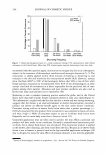
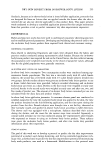
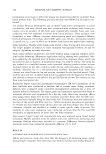
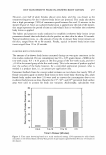
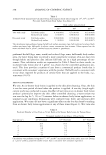
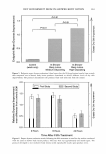
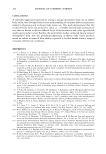
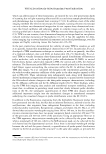
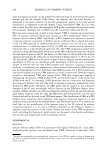
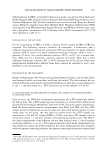
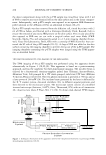
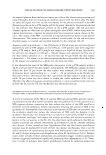
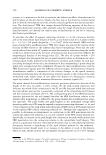
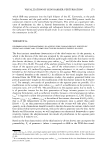
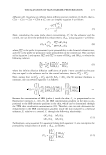
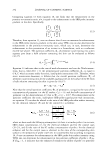
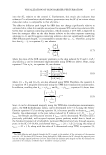
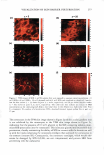
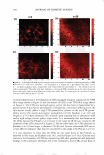
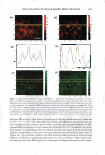
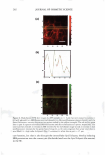
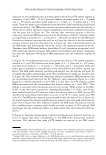
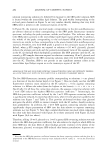
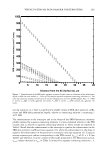
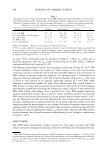
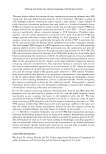
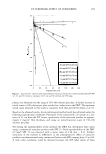
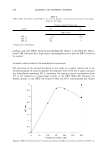
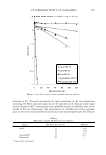
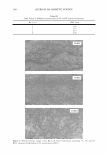
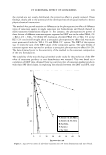
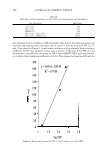
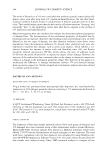
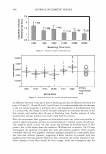
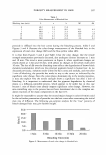
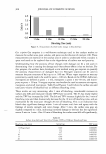
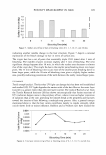
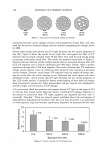
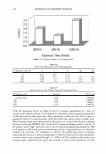
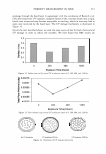
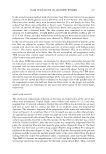
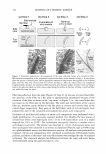
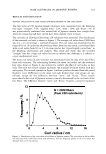
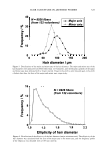
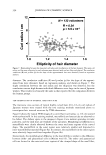
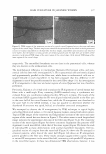
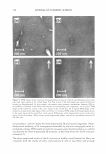
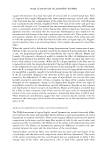
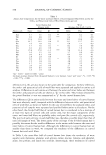
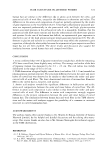
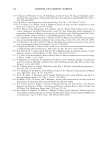
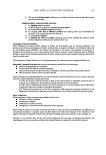
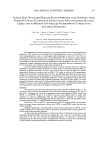
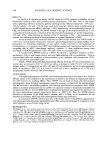
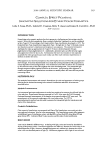
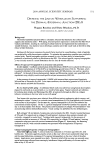
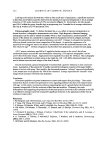
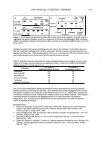
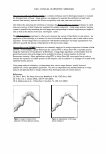
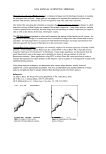
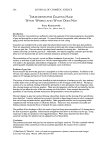
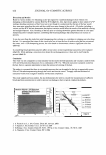
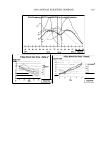
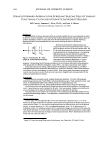
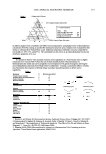
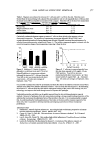
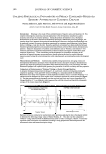
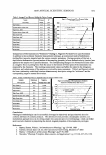
308 4.5 3.5 .L:J 2.5 1.5 0 0.5 -0.5 JOURNAL OF COSMETIC SCIENCE 1 Min 5 Min 10 Min 15 Min Bleaching Titre (min) Figure 4. Measurement of yellow-index change in bleached hair. 20Min Gas sorption. Gas sorption is a well-known technique used in the catalyst market to measure the surface area, pore volume, and pore size distribution of catalysts (18). These measurements are essential in the catalyst area in order to understand when a catalyst is spent and needs to be replaced due -ro the degradation of surface area and porosity. Understanding how the porosity of hair changes with damage can be a real asset in determining \Vhat is causing the damage and \ hat adverse effects it has on the hair. For this purpose, the authors have developed a new method using gas sorption to quantify the porosity characteristics of damaged hair (1). Nitrogen sorption can be used to measure the pore structure of hair up to ca. 100 nm. Water vapor sorption or mercury porosimetry would need to be used for pores 100 nm. Based on the IUPAC definition, micropores are defined as pores 2 nm, mesopores '· pores 2 nm-50 nm, and macro pores as pores 50 nm. Nitrogen sorption can therefore be used to measure micropores, mesopores, and small macropores. Table II and Figures 5 and 6 show the surface area and total pore volume of bleached hair at different bleaching times. These results are very interesting after 1 min of bleaching, considerable increases in surface area (SA) and total pore volume (TPV) have occurred. The SA has nearly tripled and the TPV has increased by 30%. The SA and TPV increase slightly for the 5 min of bleaching time _and then dramatically decrease for the 10 min of bleaching time, and are maintained for the most part through 20 min of bleaching. This is an indication that bleach does significant damage within 1 min of contact with hair and agrees with the findings of tensile strength and color change. After 5 min, the surface area goes up slightly compared to 1 min, indicating increased damage to the hair but less significant versus O min to 1 min. After 10 min of bleaching the surface area falls off significantly, Table II Surface Area (SA) and Total Pore Volume (TPV) at Different Bleaching Times Bleaching time (min) SA (m2/g) TPV (cc/g) 0 (Virgin hair) 0.40 0.000689 1 1.13 0.000991 5 1.17 0.001010 10 0.55 0.000785 15 0.49 0.000742 20 0.58 0.000778

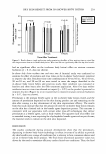
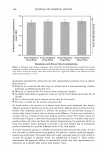
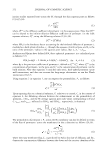
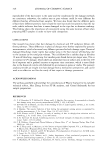
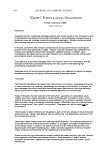
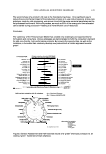
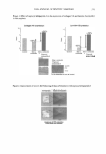
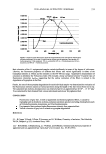
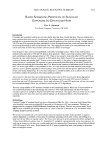
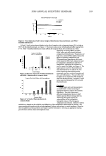
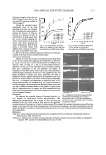
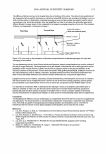
POROSITY MEASUREMENT IN HAIR 309 1.4 � 1.2 .s. 1 ca 0.8 .. c( 0.6 Cl 0.4 c., 0.2 .. :J fl') 0 0 5 10 15 20 Bleaching Time (min) Figure 5. Surface area (m2/g) of hair at bleaching times of 0, 1, 5, 10, 15, and 20 min. indicating another notable change in the hair structure. Figure 7 depicts a rational explanation of the bleach damage to hair in terms of surface area. The virgin hair has a set of pores that essentially triple (2.83 times) after 1 min of bleaching. The number of pores increases slightly after 5 min of bleaching. The next significant change happens after 10 min, in which the surface area decreases to almost that of the virgin hair. This might be due to the smaller pores breaking down into larger pores. The 15 min of bleaching time is just more of the smaller pores breaking down to form larger pores, while the 20 min of bleaching time gives a slightly higher surface area, possibly indicating penetration of the walls between the newly created larger pores. UV DAMAGE Tensile strength analysis. The fact that UV light can damage hair has been well established and studied (19). UV light degrades the amino acids of the hair fiber at the outer layer (cuticle) to a greater extent than the inter layer (cortex). The work of Ruetsch et al. from the Textile Research Institute (20) has shown microscopically that fusion reactions of UV irradiation happen more in the periphery of hair, where it receives higher intensities of radiation than at the core, providing the smooth break at the periphery and fractures toward the interior of hair following a multiple-step process. Also, a general concept mentioned above is that the hair cortex contributes largely to tensile strength, while cuticle shows little or minor influence. Robbins and co-workers (21) have studied the 0.0011 Cl e 0.001 :J o 0.0009 m f "ti 0.0008 � � 0.0007 0.0006 0 .... 0.0005 -----.-------.-----.---......---....----- 0 5 10 15 20 Bleaching Time (min) Figure 6. Total pore volume (cc/g) of hair at bleaching times of 0, 1, 5, 10, 15, and 20 min.
Purchased for the exclusive use of nofirst nolast (unknown)
From: SCC Media Library & Resource Center (library.scconline.org)