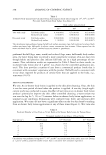
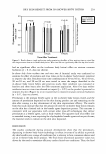
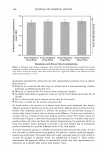
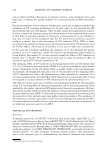
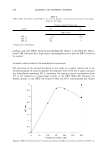
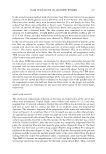
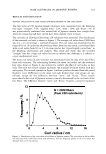
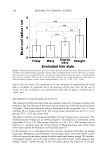
360 JOURNAL OF COSMETIC SCIENCE WHAT COLOR IS COLORED HAIR? Peter Kaplan, Ph.D., Kongsheng Yang, K. McAllister and K. Ram Ramaprasad TRI/Princeton, 601 Prospect Avenue, P.O Box 625, Princeton, NJ 08542 Not only are the optics of color formation from uniformly dyed and naturally colored (by discrete melanosomes) different, but also the optical effects of damage on these hairs are different. To explore these differences, we study natural and dyed hair (both originally pigmented and originally de-pigmented) subject to a variety of sourc,es of damage. The primary measure is the angular dependence of the color of hair tresses wrapped around a cylinder under directional illumination. Mechanical damage has a distinct signature related to the accumulation of rough chipped cuticle edges. Color fading, from shampoo with or without UV produces different color shifts. The details of these changes are critical to the perception of the depth and vibrancy of color. The differences in optical signatures between originally pigmented and de-pigmented hair are relevant to consumers who use dye to cover their gray hairs. The research reported in this presentation is intended to explore the hypothesis that the vibrancy and quality of hair color is related to the color differences observed when viewing a hair style on a curved head. Most materials reflect color differently at each angle, in the optics and computer graphics literature, these differences are described using a wavelength dependent bi-radial distribution function 1 • In this work, we sample a limited portion of this function using tresses wrapped on a cylinder, a common geometry for viewing hair. Exploring a set of damage standards, in which both natural and dyed hair are exposed to UV, wash and mechanical damage, we find characteristic changes in color quality on damage. The details will be reviewed orally. Dyed hair shows considerably greater change on UV and wash dama.ge than natural hair. 1 K. Ward, F. Bertails, T-Y Kim, S.R. Marschner, M-P Cani, M.C. Lin, IEEE Trans. Vis. and Computer Graphics 13 :213 (2007).

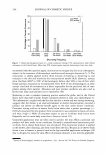
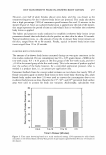
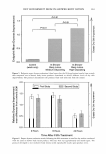
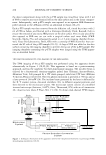
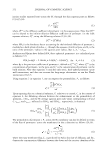
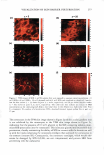
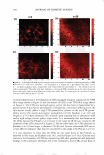
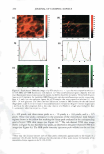
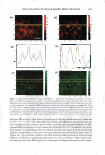
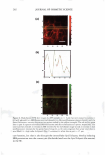
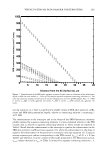
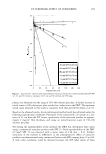
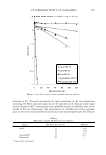
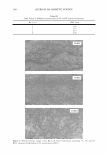
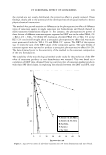
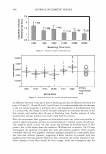
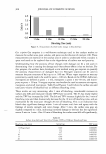
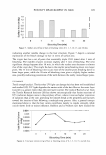
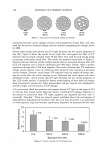
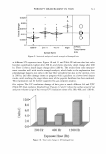
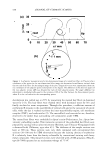
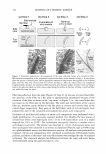
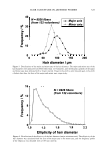
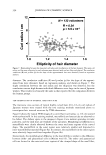
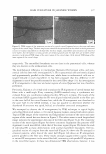
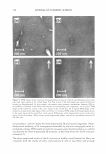
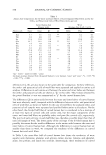
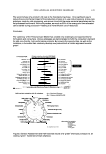
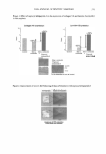
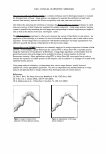
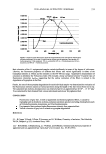
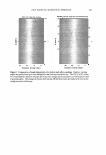
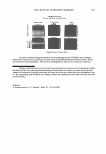
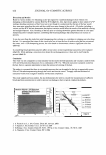
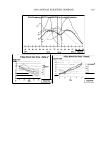
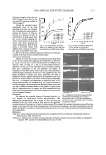
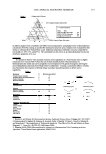
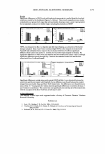
2008 ANNUAL SCIENTIFIC SEMINAR A0001.JPG � Rad ph-HcM -30 -20 -10 0 ViAwinn Ann IA ( tiNJ\ 100 20070IIJ0 0 102.JPO � Rad � � 30 40 ·20 -10 0 ViAwinn AnnfA ftfAn Figur'e 1 Compa · o of a e pe d nt color b fore a d after co bl . Negative viewing angles arc gazing from tip to root and po itive are looking towards the tip. The CIE L •a•b• valu 361 arc ovcrplo a fun tion of angle owing clear changes in the luminance as well in the color at grazing angl . The change in chroma both on and off the bin band are likely to be cues to the vi ua1 perception of damage.
Purchased for the exclusive use of nofirst nolast (unknown)
From: SCC Media Library & Resource Center (library.scconline.org)