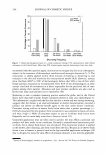
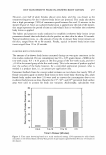
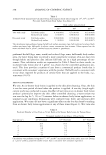
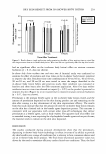
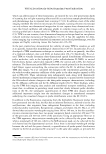
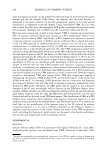
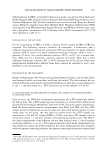
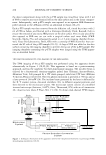
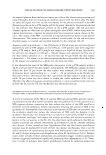
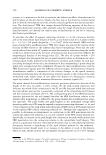
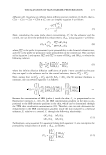
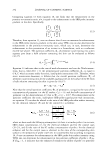
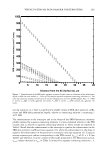
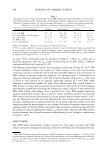
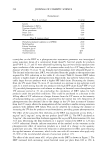
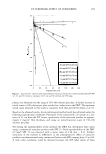
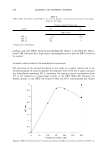
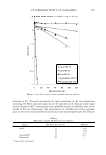
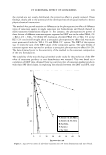
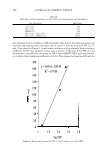
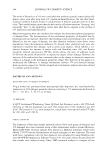
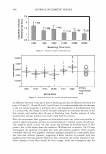
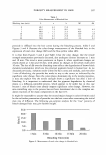
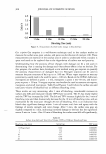
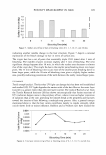
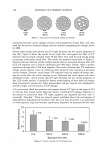
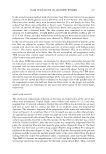
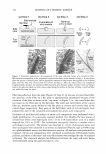
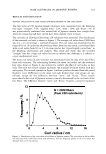
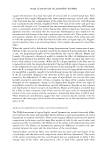
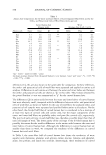
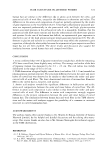
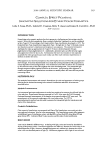
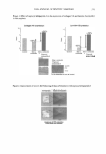
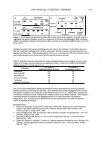
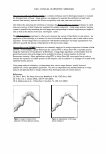
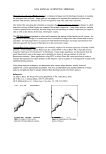
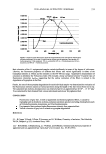
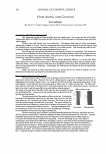
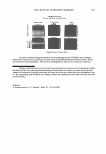
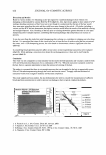
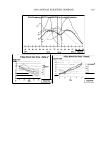
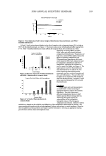
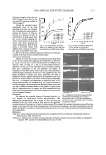
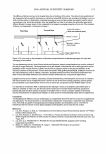
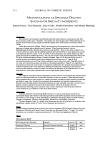
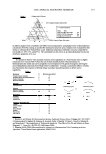
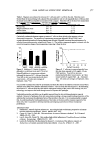
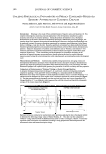
294 JOURNAL OF COSMETIC SCIENCE Phase A (oil phase) Lanolin Benzophenone-3 (BZ-3) Titanium dioxide (TiO2) White petrolatum Stearic acid Propy1paraben Formulation 1 Phase B (aqueous phase) Phenylbenzimidazole sulphonic acid (PBSA) Methylparaben Edetate disodium Propylene glycol Triethanolamine Purified water to % (w/w) 5.00 X.00 Y.00 2.50 4.00 0.05 % (w/w) Z.00 0.10 0.05 5.00 Q.S. 100 count/plate on the DR T as a photoprotection assessment parameter was investigated using sunscreen lotion of a commercial brand (Luna®). Survival graphs for products Luna® SPF 12, 27, and 35 were obtained by plotting log survivors versus exposure time upon irradiation of the sunscreen/£. coli systems under study by a UV lamp placed at a distance of either 35 cm or 76 cm. Straight-line relationships were obtained (Figure 1). The decimal reduction time, DR T, was calculated from the graphs as the exposure time required for 90% reduction in the viable E. coli count (Table I). Greater DR T values indicate a higher degree of photoprotection. Expectedly, log survivor values were gen erally larger for test products with a higher SPF label claim. Decreasing the distance from the UV source from 7 6 cm to 3 5 cm resulted in a decrease in log survivors in all cases. It is worth noting that the test products with high SPF values (Luna® SPF 27 and 35) provided photoprotection with almost no change in bacterial count throughout the UV exposure period at 7 6 cm, precluding the calculation of DR T values for both products under the specified conditions. This could be attributed to a decrease in the killing effect of UV radiation at a longer distance from the UV source, as the intensity of radiation falling on a given area is governed by the inverse law (15 ). Sensitivity of photoprotection data obtained due to the change in the UV dose in terms of distance from the UV source allows the manipulation of this variable to enable testing sunscreen products with different SPF values. This can be achieved by reducing the distance or increasing the UV dose for products or test formulations, providing greater photoprotection. The effect of the sunscreen film thickness on the DR T was examined at two levels, 1 2 2 mg/cm and 2 mg/cm , using the test product Luna® SPF 12. The DRT calculated at 2 mg/cm2, the sunscreen film thickness approved for in vivo SPF determination (16), was 3.63 min. Decreasing the film thickness to 1 mg/cm2 reduced the DR T to 1.25 min (:::::65% reduction). Results indicate sensitivity of the method to the variation in the photoprotective effect of sunscreen products as a result of a change in the quantity applied per unit area. This shows the reduction in photoprotective effect upon reducing the applied amount of sunscreen, which is the case with all consumers who apply only 25-50% of the recommended amount of sunscreen product (17). The effect of the initial count of E. coli per plate on the DRT is shown in Figure 2. The DRT increased with increasing initial bacterial count per plate from 100 to 150. A

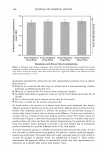
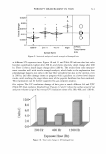
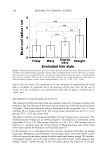
UV SCREENING EFFECT OF SUNSCREENS 295 2.5 �--------- ◊ 2.0 1.5 .E 1.0 £ Luna SPF 12 (35 cm) ♦ Luna SPF 27 (3 5 cm) 0.5 ■ Luna SPF 35 (35 cm) t:, Luna SPF 12 (16 cm) ◊ Luna SPF 27 (76 cm) □ Luna SPF 35 (7 6 cm) 0.0 -.j---- - -.-----r---.........,''r--- 0 20 40 60 80 100 120 140 Exposure time, min Figure 1. Log survivors-exposure time relationship for sunscreen lotions of a commercial brand (Luna® SPF 12, 27, and 35) tested at a distance of 35 cm and 76 cm from the UV lamp. plateau was obtained over the range of 150-200 colonies per plate. A further increase in initial count to 300 colonies per plate resulted in a reduction in the DR T. The optimum initial count obtained in this study is consistent with that specified by Jones et al. (7). Based on the obtained results, the microbiological method could be performed under the following experimental conditions: Placement of the sunscreen/E. coli system at a dis tance of 3 5 cm from the UV source, application of the sunscreen product at approxi mately 2 mg/cm2 film thickness, and using an initial bacterial count of 150-200 colonies per plate. For testing the reproducibility of the method, the DR T was determined three times using a commercial sunscreen product with SPF 12. Good reproducibility of the DRT of Luna® SPF 12 was observed with a mean value of 3.46 min ± 0.15. Further, sensitivity of the method to differences in the photoprotective effect of sunscreen products was demonstrated using commercial lotions with SPFs ranging from 12 to 100. A rank order correlation could be obtained between the SPF label claims of these
Purchased for the exclusive use of nofirst nolast (unknown)
From: SCC Media Library & Resource Center (library.scconline.org)