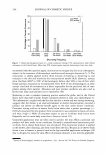
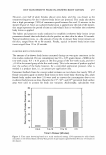
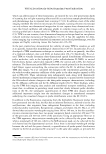
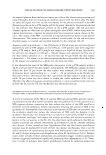
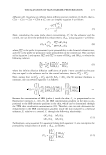
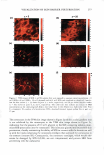
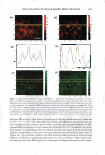
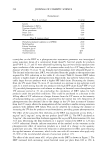
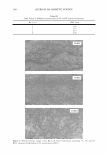
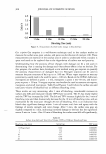
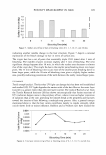
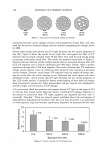
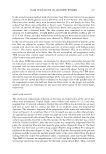
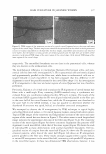
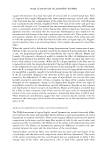
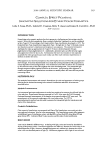
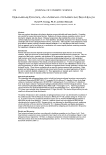
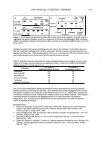
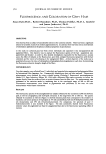
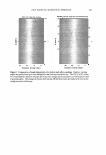
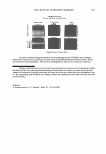
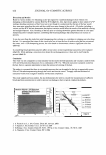
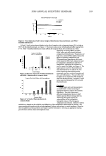
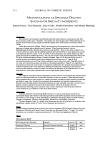
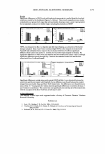
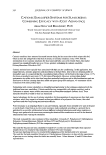
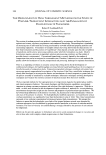
VISUALIZATION OF SKIN BARRIER PERTURBATIO 277 (a) z = 3 (b) z = 20 (c) (d) sa 100 ,sa 20) 2'° (e) ,(f) � 111 1111) ?ti! r.,o Figure 2. TPM images of SR, , in p•FT samples that were expc,. eel to aqueous contacting oiutions i (1 wt% D ), ii (1 wt% + 10 ,.,t% glycerol.,, n I iii (1 wt I, imd visu Ii a d J l o: 3 µm. bt low the skin �urfu.ce fa = 3), shown in parts a, c, and e, r speccively, and O 1,1m below the "kin surface (z = 20), ·howu in parts b, d, , nd f, respectively. The color scale bars indicatll an, increase.: in RB c nc nt , tion as he col r pr- gr es from a lo , lue cl · e ro zer, (bln k) r a hi h al e (r l). Ke,,: C-corneocyte N-nucle1,.1s of a keratinocyte LTR-localized transport region yellow hne in part a- 25 p.m. The comeocytes in the Tl'M skin ima,ge shown in Figur 2a ,exhibjr a color gradj nr that i , n.ot exhibited by the c rn ocyte i.n the TPM ki.n image · hown in igure 2 , indjca,cin that the presence of 10 wt% glyc ro] in the D .. contacting o. ution mini miz s RB penerra ion inrn the corn oc c s. This is because gl c ml minimiz s DS skin penemuion, thereby minimizing the abilir. of SD co inre.ra.c- ich rh kera in as v eH as irh th" hp.i.d compdidn, th corn oc t □ lop s that urround he comeocy in the smunm com um (SC). Cons, ,,ucm ly, th com ocyte en lo es. �. hi h ould o h-- b dama , cl b · DS (-,9,26), not comJJro 1is cl, an - pr� enr · RB from p n rat·o

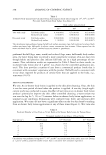
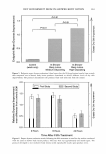
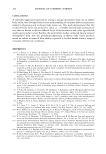
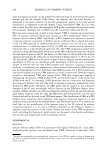
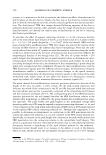
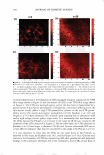
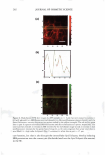
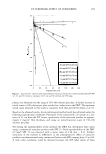
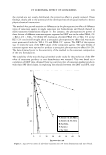
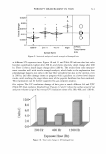
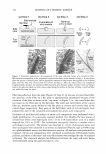
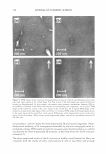
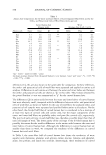
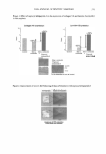
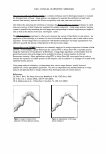
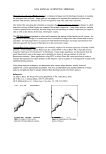
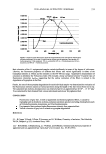
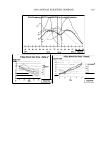
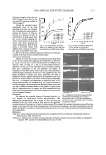
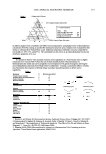
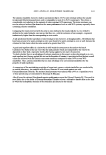
27 JOURNAL OF COSMETIC SCIENCE z=3 (a) 50 1QQ i-50 200 ?!ill (c) 50 ·1oqi, ,� liQ'J z=20 (b) 60 � 11l!:l ··� 2Q 2W ·,a � (d) 140 50 120 100 10c;I 80 150 (ill -'!Ill 200 20 2$0 i!;O sample· that wen: cxposcxl to aquL"ou~ con · iuil · iv (PBS :od visua.liz d at a d pth of: 3 prn h kin surface (z = 3), , . ely, and 20 µm below Lh s.kiri surface (z = 20), shm n in parts b and d, r . . color scale bm· indic, te tlll inw:, · · in RB o, cermation , th color _progre� e fr m a lo, lu: · ro b!a. k) to a hi h ,mlue (reJ). Key: -nm o,cyte · -nucleus of a keira- tinocyce yellow ... a - 25 µm. A related observation is the form tion of L TR· (loc---.,iJized transport r gions) in the TPM kin ima e ·hown in I igure 2a and t e ab ience c f L TR. in the TPM in image sho. n in Figure 2c. The LTRs are localized r gions within the skin b.rrier ch m.cterized by a greater extent of skin barrier percurb:u:ion. Consequent! , a permeant di· in across the skin barrier would xhibit a hi h LTR erm .. bilir r lative to the n n- TR erme abiht and to the overa]] sbn barrier l erm ability ( 1,42). Ku hner et al. (41) and Pliquet et rt!. ( 2) have o sen d TR. in the Cup n in• skin t Jrrasound+SD , and to hi· h-v Ir •e electric p 11 , r-s crivel . It is note _orrhy th t the di�meters of the LTR report: cl by Pliquet et al. ( 2) a e in the r, nge of 0- 0 µm, similar to the di· meter of the LT Rs obs.er ed in Fi. ure 2a. On the tl er h .n , tl e L R obs ed by Ku hner et al. ( 1) are lar er in di, meter ( 1 mm), becau e u]tr. ound + DS acts am re e ective enh, cer than the ones con i ered i11 this study or by Pliqu t et al. (42). It is also important to stress that the LTRs are not sweat ducts or hair follicles, as oh �rved in this stud , by Ku hneret al. ( J), nd by PliqlleL t al. ( 2). Gl cerol m.,y m · nimize the formation of L TRs by minimizin SDS kjn enetr tion ·nd associat cl dama re to the comeocyte en velor es and to the com ocyt . Such LTR. do not form in
Purchased for the exclusive use of nofirst nolast (unknown)
From: SCC Media Library & Resource Center (library.scconline.org)