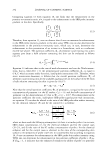
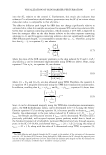
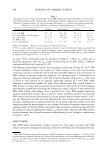
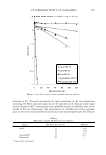
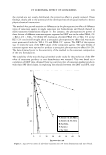
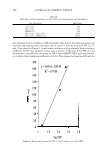
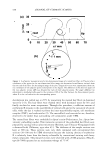
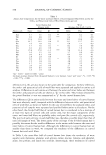
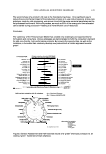
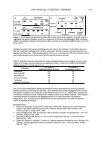
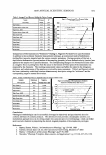
350 JOURNAL OF COSMETIC SCIENCE transmit the complementary color. If viewed on a black background, the complementary color is absorbed by the black background and only the reflection color is seen. On a white background, however, the reflection color is seen at the specular angle and the complementary color at the aspecular angles. As shown in the table below, for a volunteer with dark complexion who appears with ashy and dull skin tone, effect pigments increase the L * values significantly, but absorption colorants (Red 7) do not. Skin Red 7 RedEP Gold EP Blue EP Green EP Tone /Skin /Skin /Skin /Skin /Skin L* 39.7 38.4 89.5 106.2 84.9 96.1 The changes in the L * values depend on the shade of the skin. Formulations containing effect pigments brighten dark skin tones. Thus, ethnic color cosmetics containing effect pigments can enhance the appearance of darker skin tones by optically neutralizing dullness and ashiness. As shown in the table below, red interference effect pigments neutralize the excess red color and bring back the skin's natural look. This is contrary to a common belief that red pigments intensify reddish skin. The counterintuitive result is due to the complementary green color of red effect pigments interacting subtractively with the Red 7 absorption color simulating imperfect spots on the skin. Skin Tone Red Skin RedEP Gold EP Blue EP Green EP (Red 7/Skin) /Red Skin /Red Skin /Red Skin /Red Skin a* 14.l 17.3 14.8 13.7 18.5 20.2 b* 31.3 30.6 30.0 21.6 33.4 28.8 Also as shown in the table above, the L *a*b* color measurements for an ethnic volunteer with reddish brown skin tone are a*=14. l and b*=31.3. Adding Red 7 increases the a* value to 17.3. This simulates a skin imperfection. Using the formulation containing red or gold effect pigments masks the skin imperfection created by the reddish spot. However, gold effect pigments may not be suitable for correcting the problem in this case, because the complementary blue color results in a grey yellow skin color. Although both blue and green effect pigments do not change the b* value, they do not work in the same manner as red effect pigments and do not impart a natural look to problem skin. By choosing the right type and color of interference effect pigments, make up cosmetics can be developed that target ethnic skin tones and improve their appearance in a natural, non-optically occlusive manner. CONCLUSIONS The color generated by effect pigment is highly dependent on the viewing angle and the skin tone on which it is applied. Cosmetics formulated with effect pigments can be designed to produce a desired impact on skin. Color cosmetics design using effect pigments can create a desirable appearance for a variety of ethnic groups. REFERENCES l. T.B. Fitzpatrick, "Biology ofMelanocytes in Dermatology", New York, John Wiley & Sons (1999). 2. G. E. Uzunian and O.V. Dueva, "The Impact of Skin Tone on the Color Generated by Effect Pigments", Society of Cosmetic Chemists Annual Scientific Seminar, New Orleans, LA (2001). 3. L. Armanini, "Basic Optics and Pearlescent Pigments", Paint and Coatings Industry, 5 (8) (1989).

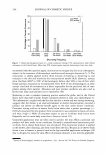
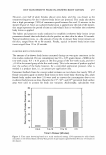
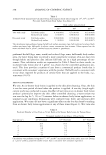
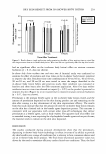
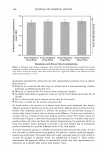
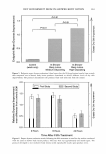
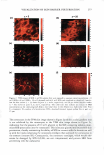
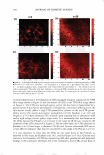
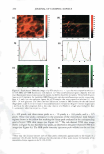
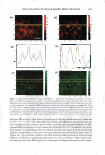
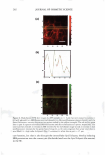
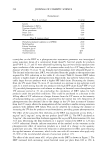
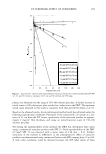
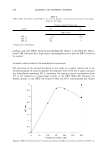
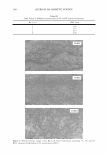
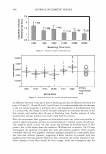
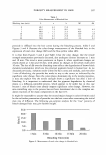
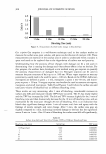
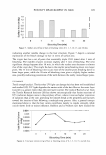
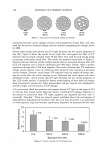
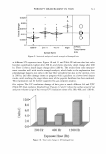
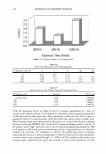
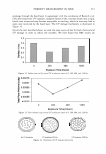
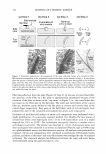
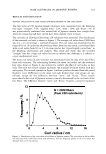
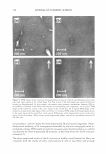
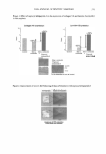
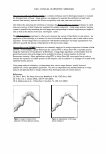
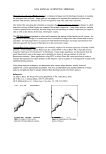
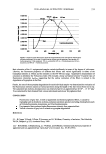
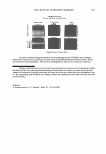
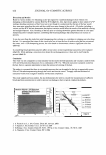
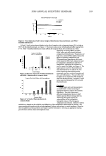
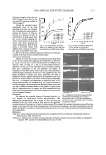
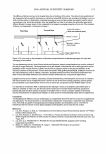
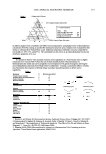
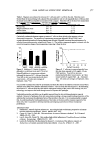
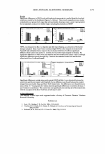
Background 2008 ANNUAL SCIENTIFIC SEMINAR DRAWING THE LINE ON WRINKLES BY SUPPORTING THE DERMAL-EPIDERMAL JUNCTION (DEJ) Hugues Beaulieu and Diane Bilodeau, Ph.D. Atrium Innovations Inc., Quebec City, Canada The dermal-epidermal junction (DEJ) is a dynamic structure that maintains skin cohesion and supports skin metabolic needs 1• With aging, structural protein expression is reduced at the DEJ which weakens and flattens, resulting in a slowing of cellular turnover and regeneration that culminates in wrinkle formation. Our objective was to develop a cosmetic active that would work at the DEJ to help reduce wrinkle formation. 351 Starting with the known sequence of a growth factor involved in wound healing, a bank of peptides was produced by solid phase organic synthesis. To optimize skin penetration, peptides were coupled to various lipids. Peptide conjugates were then screened, in vitro, for their ability to stimulate the production of structural proteins by fibroblasts at the DEJ. The selected peptide, caprooyl tetrapeptide- 3, was clinically tested in a serum formulation for fine lines & wrinkle reduction. Effects of Caprooyl Tetrapeptide-3 on structural skin proteins In vitro studies: Confluent normal human dermal fibroblasts (NHDF) were cultured for 48 hours in the presence and absence of 10-1M (0.03%) or transforming-growth factor (TGF-b). The latter, which is a general stimulator of the synthesis of extracellular matrix (ECM) proteins, was used as a positive reference2• At the end of the incubation period, laminin and fibronectin content were quantified in the supernatant using a highly sensitive and specific enzyme immunoassay (EIA) kit. In the presence of caprooyl tetrapeptide-3, NHDF cells increased their expression of laminin by 26% and that of fibronectin by 60%. In the same conditions, the stimulating potential of TGF-b was of 10% for laminin and 64% for fibronectin. Ex vivo model of skin aging: An additional bench study was carried out using human skin explants exposed to corticoids as an accelerated ex vivo model of skin aging. Topical corticoids are infamous for inducing skin atrophy and flattening of the DEJ, at least partly through an effect on collagen turnover, mimicking in that way what is seen with aging3 • Four human skin specimens were obtained, from different patients undergoing plastic surgery, and maintained in culture. On day 0, a corticoid cream betamethasone (0.05%) was applied or not (control) at the surface of skin explants. On the same day, caprooyl tetrapeptide-3 (0.03%) was added to the culture media of skin explants. On day 1, caprooyl tetrapeptide-3 (0.03%) treatment was repeated. On day 3, all skin explants were frozen. The presence and localization of collagen VII and laminin-5 were assessed using indirect immunofluorescence. Visual scoring was performed by two dermatologists. Both collagen VII and laminin-5 expressions were localized at the DEJ. Results revealed decreases of 16% and 45% respectively in collagen VII and laminin-5 staining in skin explants stressed with corticoids, compared to control level. Treatment with caprooyl tetrapeptide-3 in the presence of corticoids resulted in increases of 34% and 49% respectively in collagen VII and laminin-5 staining, compared to what was seen with corticoid treatment alone (Figure 1). Interestingly, the flattening observed at the DEJ with corticoid treatment was prevented with the application of caprooyl tetrapeptide-3. Clinical Antiaging Properties of Caprooyl Tetrapeptide-3 Antiwrinkle efficacy study: A clinical study was conducted on 27 women aged 40 to 65, with healthy skin. Volunteers applied a placebo serum on the crow's feet of one randomized temple area and the same formulation containing 2.5% caprooyl tetrapeptide-3 on the crow's feet ofthe,other temple. Applications were repeated twice daily. The micro relief of the eye area was assessed using special processing software from scanning by interference fringe profilometry of silicone replicas taken at day 0, 28, and 56.
Purchased for the exclusive use of nofirst nolast (unknown)
From: SCC Media Library & Resource Center (library.scconline.org)