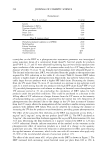
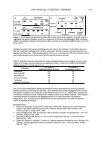
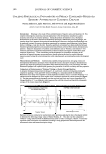
DRY SKIN BENEFIT FROM IN-SHOWER BODY LOTION 255 Similarly, because an in-shower-body lotion is rinsed off after application, protocols that are designed for leave-on lotions that are applied outside the shower after the skin is toweled dry are also not directly applicable to this product form. This paper presents work conducted to develop a controlled application protocol for this unique moisturizer form that provides a tool to predict consumers' dry skin improvement experience. EXPERIMENTAL Habits and practices study data were used to understand consumers' showering practices and to establish protocol parameters. Developing and validating the protocol used to test the in-shower body lotion product form required both clinical and consumer testing. SHOWERING PARAMETERS Data related to showering frequencies and times were obtained from the habits and practices studies conducted among representative adult females. Because the in-shower body lotion product was targeted for sale in the United States, the data collected among this population were weighted most heavily in the choice of parameter values, although data for the global population were generally consistent. IN-SHOWER BODY LOTION USE PARAMETERS In-shower body lotion consumption. Two consumption studies were conducted among rep resentative female populations. The first was a two-week study with 81 adult female subjects the second was a five-week study with 1 71 adult female subjects divided into two groups. In both studies subjects were given an in-shower body lotion product to use at home. Label directions were provided. Subjects recorded showering and in-shower body lotion use events in a diary. Bottles in the first study were weighed at study start and end bottles in the second study were weighed at study start and after one, two, and five weeks of product use. The amount of in-shower body lotion consumed per use was calculated from the diary data and product weights. In-shower body lotion application parameters. A consumer shower panel was conducted to establish ranges for the time the in-shower body lotion was applied to the skin, the time the product remained on the skin following application, and the time spent rinsing the product from the skin. Female subjects were brought into a test facility, showered as they normally would, and applied in-shower body lotion according to label directions. The shower stall was equipped with a microphone. Subjects described their actions during the shower, and the times for the various steps were recorded. Separately, a concept-aided in-home use test was conducted among 247 representative adult females who expressed an interest in using an in-shower body lotion product. These subjects were given the in-shower body lotion product, and after two weeks they provided information about their experience. CLINICAL TESTING The goal of this work was to develop a protocol to predict the dry skin improvement potential of a product used during showering, and the leg-controlled application tech nique (12), a method used to predict the dry skin improvement potential of moisturizing body wash products, was used as a framework. Modifications to this protocol were

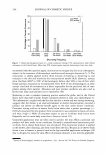
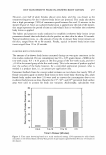
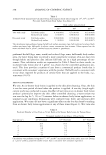
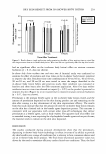
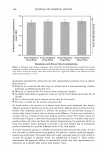
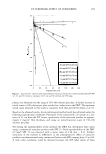
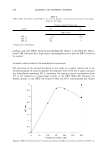
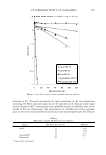
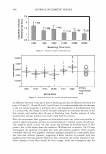
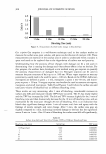
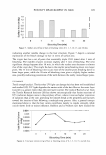
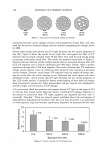
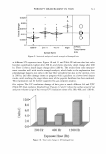
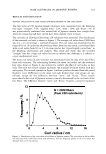
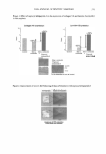
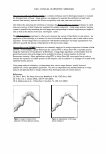
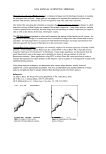
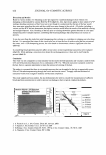
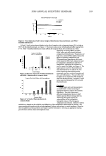
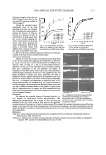
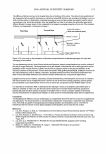
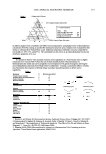
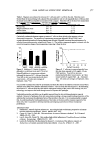
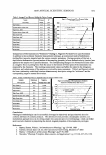
256 JOURNAL OF COSMETIC SCIENCE incorporated as necessary to reflect the unique use characteristics for the in-shower body lotion product form. The following general procedure was followed in all studies con ducted. Test products. Protocol development and in-shower body lotion development occurred concurrently, and early clinical tests were conducted with in-shower body lotion pro totypes since no products of this form were commercially available. Later tests were conducted with two marketed in-shower body lotion products. These products were formulated to meet different consumer moisturization needs and deposited different levels of petrolatum, the primary skin benefit agent, onto the skin. All studies included a control site, i.e., a site to which no in-shower body lotion was applied after washing. Subject population. Healthy adult females who tended to have dry leg skin were recruited. The target number of subjects to enter treatment was typically between 20 and 40 subjects, depending on study objectives. Study conduct. Subjects underwent a one-week washout using a supplied synthetic deter gent bar for showering. Moisturizer application and leg shaving were prohibited. Sub jects exhibiting the specified level of dryness entered the treatment phase, which was typically five days in duration. A randomized design was used for testing. The entire leg was washed in a s:ontrolled manner with a personal cleansing product chosen to have minimal impact on dry skin condition under the leg wash procedure-for example, a synthetic detergent bar or a non-moisturizing synthetic detergent body wash. The cleanser was rinsed from the leg and wetting continued for the specified period. Then, with the skin still wet, in-shower body lotion was applied with the fingers for 20 seconds and allowed to remain on the skin for the specified period of time. The treated site was then rinsed and patted dry. Evaluations. Expert visual and instrumental (Corneometer CM 825) assessments of dry skin condition were conducted at baseline and at various times during treatment. Subjects were acclimated under controlled environmental conditions for at least 30 minutes before an evaluation. The expert grader and instrument operators were blind to treatment identities and assignments. In a five-day study short-term treatment effects were judged three hours after the first treatment and three hours after the fifth treat ment, the latter typically being the final study visit. Evaluations were also conducted at the start of the second and fifth visits (i.e., before treatment), providing an assessment of 24-hour dry skin improvement efficacy after one and four product uses. This basic evaluation schedule was modified as needed to meet specific study objectives. For example, in some cases evaluations were conducted six hours after the first and fifth treatments, or approximately 24 hours after the fifth treatment. Data analysis. Expert visual and instrumental data were analyzed using mixed model techniques. Models included terms for subject, side, site, side-by-site interaction, and treatment. Baseline values were included as a covariate. Differences between adjusted treatment means were considered statistically different if p 0.05. RESULTS SIIOWERING AND IN-SHOWER BODY LOTION APPLICATION TIMES Habits and practices study data show that the frequency of showering varies widely among female consumers, from more than once daily to less than once weekly (Figure 1).
Purchased for the exclusive use of nofirst nolast (unknown)
From: SCC Media Library & Resource Center (library.scconline.org)