424 JOURNAL OF COSMETIC SCIENCE
practically identical structure and chemistry, and so much can be gleamed from the sizable
literature on this important textile relative). At the same time, the cosmetic market is
focused on satisfying consumer needs, and a great deal of time and effort is spent by
marketers and consumer scientists to understand issues and wishes. In conducting such
interviews, a familiar list of terms begins to appear: softness, smoothness, strength, shine,
moisturization, frizz, and many more. We term these “consumer attributes,” and together
they constitute the lexicon of our industry as marketers attempt to communicate with
potential customers in their own language. As scientists, when we hear such expressions,
there is the natural tendency to take them literally. The concept of “strength” makes us
think about performing tensile experiments for quantification. “Moisturization” prompts
conceptualizing means of technical water evaluation. Yet, this creates a sizable industry
complication in that, as will be described herein, often “consumer language” does not
equate to “scientific language.”
The multifaceted structure of hair is under constant bombardment from everyday habits
and practices.2–4 Hair fibers are subjected to abrasion and fatiguing during grooming, are
bathed in reactive chemicals to alter color and shape, can be exposed to intense heat in an
attempt to quaff new styles, and constantly encounter the effect of the sun’s UV radiation.
All these (and others) compromise hair’s complex fundamental structure in a myriad of
ways with a concomitant change in various physical properties. The net effect of these
negative changes is expressed by one all-encompassing, nebulous, and wholly ineffectual
descriptor: “damage.” There is frequently the desire to measure how damaged (or how
healthy) a hair sample is however, it can hopefully be seen why this is a taxing proposition
as the various components of the hair’s structure can break down in numerous ways, at
differing rates, and as the result of countless insults.
The purpose of this article is to highlight how hair’s fundamental structure relates to the
various consumer attributes mentioned earlier. It will similarly cover how the effects of certain
insults can negatively impact such properties and contribute to consumer unrest. Insights
are attained through measuring changes in specific technical properties and attention will
be paid to the proper measurement of such properties. The nature of the cosmetic industry
is to promise consumer benefits, and hair-care products can unquestionably attain this
end. Yet, there is constantly the need/desire to push the marketing envelope where claims
frequently involve “protection” and/or “repair” of hair after using certain products. The
validity and subtleties of this consumer language will also be explored.
HAIR STRUCTURE
There are many excellent texts that describe the complex structure of hair, and the reader
is directed to these for higher level depth and detail.5–7 Herein, a brief overview is provided
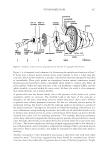
as it specifically relates to the topic at hand. At the most fundamental level we can simply
think about the hair structure in terms of the “inside” and the “outside.” The outer
structure of hair is collectively termed the cuticle, where a conceptual analogy might involve
the bark at the outer edge of a tree. This structure is made up of many overlapping scales
or tile-like structures (i.e., the individual cuticle scales) that result in a tough exterior that
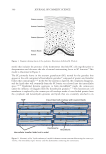
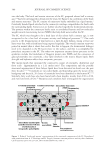
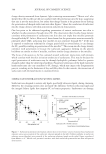
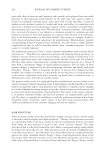
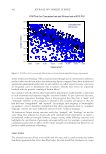
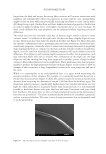
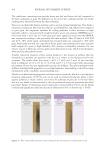
protects the more vulnerable interior. Figure 1 shows a high-magnification image of the
hair surface where this fine structure can be seen. Moreover, the greater cuticle structure
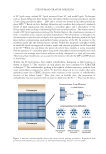
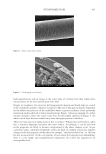
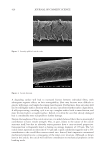
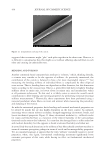
itself consists of generally five to six layers of these individual tiles. Figure 2 shows a similar
practically identical structure and chemistry, and so much can be gleamed from the sizable
literature on this important textile relative). At the same time, the cosmetic market is
focused on satisfying consumer needs, and a great deal of time and effort is spent by
marketers and consumer scientists to understand issues and wishes. In conducting such
interviews, a familiar list of terms begins to appear: softness, smoothness, strength, shine,
moisturization, frizz, and many more. We term these “consumer attributes,” and together
they constitute the lexicon of our industry as marketers attempt to communicate with
potential customers in their own language. As scientists, when we hear such expressions,
there is the natural tendency to take them literally. The concept of “strength” makes us
think about performing tensile experiments for quantification. “Moisturization” prompts
conceptualizing means of technical water evaluation. Yet, this creates a sizable industry
complication in that, as will be described herein, often “consumer language” does not
equate to “scientific language.”
The multifaceted structure of hair is under constant bombardment from everyday habits
and practices.2–4 Hair fibers are subjected to abrasion and fatiguing during grooming, are
bathed in reactive chemicals to alter color and shape, can be exposed to intense heat in an
attempt to quaff new styles, and constantly encounter the effect of the sun’s UV radiation.
All these (and others) compromise hair’s complex fundamental structure in a myriad of
ways with a concomitant change in various physical properties. The net effect of these
negative changes is expressed by one all-encompassing, nebulous, and wholly ineffectual
descriptor: “damage.” There is frequently the desire to measure how damaged (or how
healthy) a hair sample is however, it can hopefully be seen why this is a taxing proposition
as the various components of the hair’s structure can break down in numerous ways, at
differing rates, and as the result of countless insults.
The purpose of this article is to highlight how hair’s fundamental structure relates to the
various consumer attributes mentioned earlier. It will similarly cover how the effects of certain
insults can negatively impact such properties and contribute to consumer unrest. Insights
are attained through measuring changes in specific technical properties and attention will
be paid to the proper measurement of such properties. The nature of the cosmetic industry
is to promise consumer benefits, and hair-care products can unquestionably attain this
end. Yet, there is constantly the need/desire to push the marketing envelope where claims
frequently involve “protection” and/or “repair” of hair after using certain products. The
validity and subtleties of this consumer language will also be explored.
HAIR STRUCTURE
There are many excellent texts that describe the complex structure of hair, and the reader
is directed to these for higher level depth and detail.5–7 Herein, a brief overview is provided
as it specifically relates to the topic at hand. At the most fundamental level we can simply
think about the hair structure in terms of the “inside” and the “outside.” The outer
structure of hair is collectively termed the cuticle, where a conceptual analogy might involve
the bark at the outer edge of a tree. This structure is made up of many overlapping scales
or tile-like structures (i.e., the individual cuticle scales) that result in a tough exterior that
protects the more vulnerable interior. Figure 1 shows a high-magnification image of the
hair surface where this fine structure can be seen. Moreover, the greater cuticle structure
itself consists of generally five to six layers of these individual tiles. Figure 2 shows a similar