460 JOURNAL OF COSMETIC SCIENCE
SUSTAINABLE SOURCING
Stevia leaves are sustainably harvested from an organic certified stevia crop in France.
The supplier monitors environmental factors and ensures only a few harvests per year.
Additionally, full traceability of the supply chain is provided through blockchain technology
through which the entire process is verified from the time of harvest to processing to
shipping the raw material to produce the stevia subcritical water extract and blend it with
non-palm derived, nongenetically modified organism (GMO) glycerin.
PERFORMANCE OF THW BIOTECH INGREDIENT
Inspired by the use of thermal waters to relieve sensitive skin and soothe and prevent
inflammation, and inspired by the fact that the bioactivity is mainly linked to their mineral
composition and microbiota (hydrobiome),5–7 a new hydrobiome-derived ingredient from a
thermal spring in Italy was developed, and its ability to reduce stressorins (molecules that
contribute to extracellular stress signaling and are upregulated in case of sensitive skin)
has been demonstrated.8–12 Moreover, the ingredient also reduces AGEs, which originate
from reactions between sugar molecules and proteins or lipids and nucleic acids and induce
oxidative stress and inflammation. Additionally, the ingredient also reduces lipofuscin
accumulation and endogenous garbage resulting from damaged and/or dead cells and
organelles, which are major sources of inflammatory stimuli. Finally, the anti-inflammatory
capacity of the ingredient was further confirmed by measuring IL1alpha release inhibition.
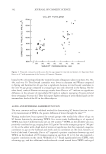
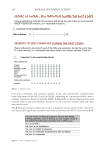
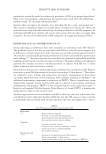
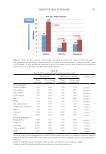
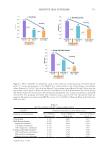
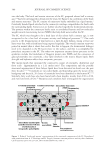
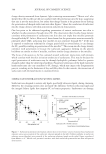
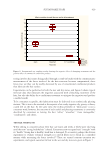
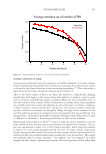
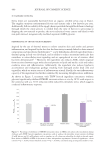
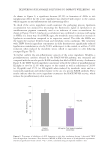
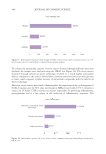
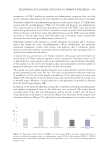
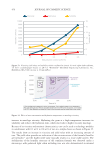
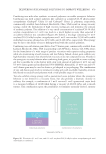
As shown in Figure 5, treatment with THW biotech ingredient concentrate (without
glycerin) significantly inhibited HMGB1 stressorin release in vitro by 18.5% with respect to
the control as well as a 31.5% reduction when induced by metabolic stress, which suggests
a reduced inflammatory response.
Figure 5. Percentage of inhibition of HMGB1 stressorin release in HEKa cell culture after incubation during
24 hours with THW biotech ingredient concentrate with or without the metabolic stress (consists of adding
20 mM glucose and 0.1 mM palmitic acid to simulate in cell culture an unhealthy diet high in fat and sugar).
Data shown as MEAN ± SEM of the mean of three independent experiments. Statistical significance: versus
control (***p 0.001), versus metabolic stress (****p 0.0001), calculated using an unpaired student’s t test.
SUSTAINABLE SOURCING
Stevia leaves are sustainably harvested from an organic certified stevia crop in France.
The supplier monitors environmental factors and ensures only a few harvests per year.
Additionally, full traceability of the supply chain is provided through blockchain technology
through which the entire process is verified from the time of harvest to processing to
shipping the raw material to produce the stevia subcritical water extract and blend it with
non-palm derived, nongenetically modified organism (GMO) glycerin.
PERFORMANCE OF THW BIOTECH INGREDIENT
Inspired by the use of thermal waters to relieve sensitive skin and soothe and prevent
inflammation, and inspired by the fact that the bioactivity is mainly linked to their mineral
composition and microbiota (hydrobiome),5–7 a new hydrobiome-derived ingredient from a
thermal spring in Italy was developed, and its ability to reduce stressorins (molecules that
contribute to extracellular stress signaling and are upregulated in case of sensitive skin)
has been demonstrated.8–12 Moreover, the ingredient also reduces AGEs, which originate
from reactions between sugar molecules and proteins or lipids and nucleic acids and induce
oxidative stress and inflammation. Additionally, the ingredient also reduces lipofuscin
accumulation and endogenous garbage resulting from damaged and/or dead cells and
organelles, which are major sources of inflammatory stimuli. Finally, the anti-inflammatory
capacity of the ingredient was further confirmed by measuring IL1alpha release inhibition.
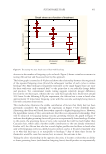
As shown in Figure 5, treatment with THW biotech ingredient concentrate (without
glycerin) significantly inhibited HMGB1 stressorin release in vitro by 18.5% with respect to
the control as well as a 31.5% reduction when induced by metabolic stress, which suggests
a reduced inflammatory response.
Figure 5. Percentage of inhibition of HMGB1 stressorin release in HEKa cell culture after incubation during
24 hours with THW biotech ingredient concentrate with or without the metabolic stress (consists of adding
20 mM glucose and 0.1 mM palmitic acid to simulate in cell culture an unhealthy diet high in fat and sugar).
Data shown as MEAN ± SEM of the mean of three independent experiments. Statistical significance: versus
control (***p 0.001), versus metabolic stress (****p 0.0001), calculated using an unpaired student’s t test.