464 JOURNAL OF COSMETIC SCIENCE
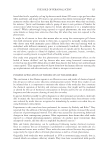
been shown to induce the expression of genes related to the pathway of retinoids in vitro,
promotes activities such as skin regeneration, enhances ECM proteins, and boosts cellular
resistance to oxidative stress, all while minimizing the skin inflammation associated with
retinoids similarly to bakuchiol. In vivo, the ingredient helped to minimize the appearance
of wrinkles, homogenized the skin tone, and reduced the number of dark spots.
Treatment with S rebaudiana extract increased retinol binding protein (RBP1) gene
expression by 18.2% in a statistically significant manner (data not shown), which improves
the amount of retinol entering the cell. Therefore, the combination of the extract with
retinol can reduce the use of retinol in formulations to minimize potential adverse effects.
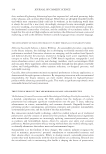
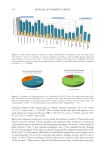
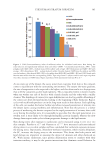
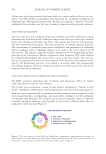
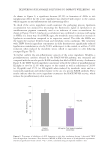
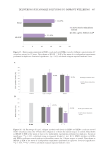
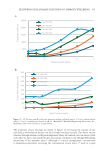
Moreover, as shown in Figure 12, the active ingredient also enhanced the expression of
nuclear receptors RAR and RXR with similar efficacy to retinoic acid, which triggers the
transcriptional activity of retinoid-responsive genes that impart the final benefits.
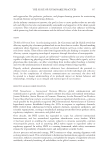
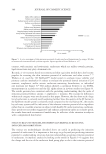
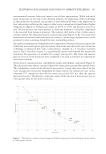
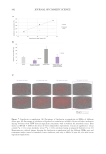
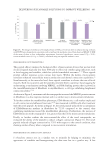
To determine if S rebaudiana extract can deliver benefits similar to retinoids, several
end points were measured. As shown in Figure 13, S rebaudiana extract increased the
production of the HAS2 gene, similarly to retinoic acid, which potentially leads to an
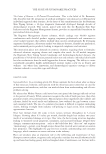
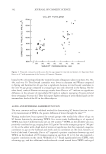
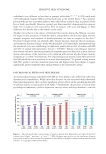
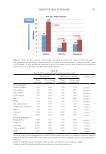
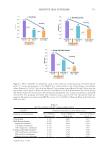
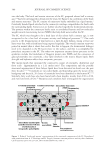
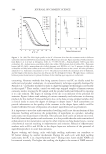
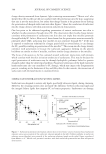
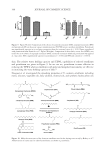
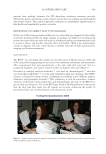
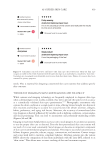
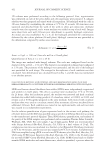
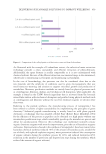
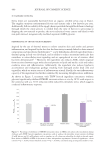
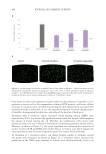
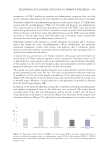
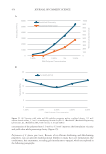
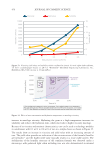
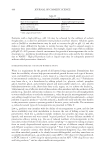
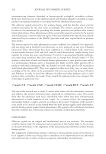
Figure 9. (A) Percentage of variation in MBNL1 levels. Data shown as MEAN ± SEM of the mean of three
independent experiments. Statistical significance: *p 0.05, ***p 0.001, calculated using an unpaired
student’s t-test. (B) Representative images showing MBNL1 (green) protein in fibroblasts after tetrapeptide-1
treatment and after microcurrent stimulation (1000 µA, 70 mV/mm, 1 hour).
been shown to induce the expression of genes related to the pathway of retinoids in vitro,
promotes activities such as skin regeneration, enhances ECM proteins, and boosts cellular
resistance to oxidative stress, all while minimizing the skin inflammation associated with
retinoids similarly to bakuchiol. In vivo, the ingredient helped to minimize the appearance
of wrinkles, homogenized the skin tone, and reduced the number of dark spots.
Treatment with S rebaudiana extract increased retinol binding protein (RBP1) gene
expression by 18.2% in a statistically significant manner (data not shown), which improves
the amount of retinol entering the cell. Therefore, the combination of the extract with
retinol can reduce the use of retinol in formulations to minimize potential adverse effects.
Moreover, as shown in Figure 12, the active ingredient also enhanced the expression of
nuclear receptors RAR and RXR with similar efficacy to retinoic acid, which triggers the
transcriptional activity of retinoid-responsive genes that impart the final benefits.
To determine if S rebaudiana extract can deliver benefits similar to retinoids, several
end points were measured. As shown in Figure 13, S rebaudiana extract increased the
production of the HAS2 gene, similarly to retinoic acid, which potentially leads to an
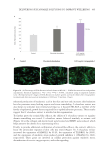
Figure 9. (A) Percentage of variation in MBNL1 levels. Data shown as MEAN ± SEM of the mean of three
independent experiments. Statistical significance: *p 0.05, ***p 0.001, calculated using an unpaired
student’s t-test. (B) Representative images showing MBNL1 (green) protein in fibroblasts after tetrapeptide-1
treatment and after microcurrent stimulation (1000 µA, 70 mV/mm, 1 hour).