470 JOURNAL OF COSMETIC SCIENCE
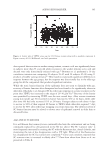
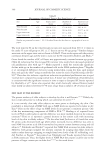
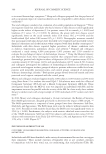
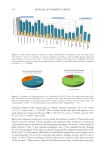
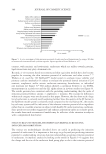
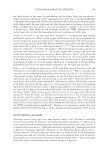
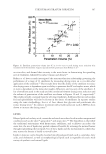
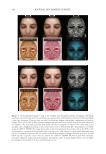
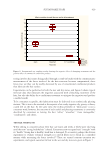
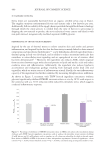
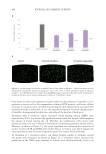
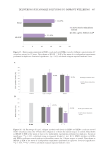
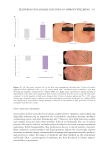
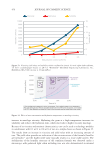
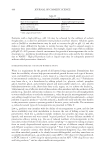
As shown in left panel of Figure 19B, the results show a statistically significant decrease
in the number of dark spots by 3.3% on average with respect to initial time after 28
days of treatment. In the images of the volunteer’s cheek area (Figure 19B, right panel),
a decreased appearance of dark spots over time can be seen, thus resulting in a more
homogeneous skin tone.
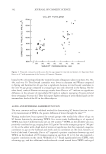
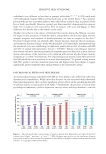
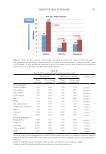
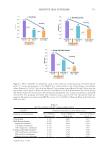
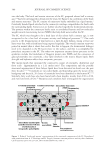
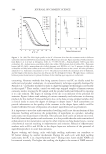
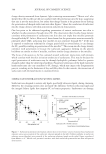
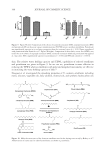
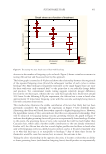
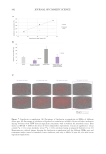
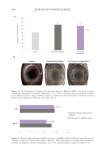
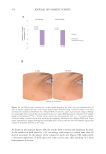
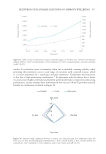
Figure 18. (A) Upper panel: variation (%)of the wrinkle length in the crow’s feet area obtained after 28
days of product application (*p 0.05 versus initial time, calculated using a paired student’s t test after
checking the normality distribution by a Shapiro-Wilk test). Lower panel: representative images showing
the antiwrinkle effect after 28 days of treatment with active cream. (B) Upper panel: variation (%)of wrinkle
length in the forehead (****p 0.0001 versus initial time low significant 0.05 p 0.1 versus placebo,
calculated using a student’s t test after checking the normality distribution by a Shapiro-Wilk test). Lower
panel: representative images showing the antiwrinkle effect of the crow’s feet area and forehead region after
28 days of treatment with the active cream.
As shown in left panel of Figure 19B, the results show a statistically significant decrease
in the number of dark spots by 3.3% on average with respect to initial time after 28
days of treatment. In the images of the volunteer’s cheek area (Figure 19B, right panel),
a decreased appearance of dark spots over time can be seen, thus resulting in a more
homogeneous skin tone.
Figure 18. (A) Upper panel: variation (%)of the wrinkle length in the crow’s feet area obtained after 28
days of product application (*p 0.05 versus initial time, calculated using a paired student’s t test after
checking the normality distribution by a Shapiro-Wilk test). Lower panel: representative images showing
the antiwrinkle effect after 28 days of treatment with active cream. (B) Upper panel: variation (%)of wrinkle
length in the forehead (****p 0.0001 versus initial time low significant 0.05 p 0.1 versus placebo,
calculated using a student’s t test after checking the normality distribution by a Shapiro-Wilk test). Lower
panel: representative images showing the antiwrinkle effect of the crow’s feet area and forehead region after
28 days of treatment with the active cream.