488 JOURNAL OF COSMETIC SCIENCE
were present in many of the products tested, had synergistic antimicrobial activity against
fluorescent pseudomonads such as P. aeruginosa and P. putida.16
In the 1970s, the preservative systems in adequately preserved products killed the test
organisms quickly so preservative efficacy tests could be completed and results reported
in two weeks. Rapid killing of bacteria prevented their adaptation, so the bacteria did
not “reappear” at later time points. Thus, there was no need to continue trying to recover
the test organisms at 2 and 4 weeks once it was determined that the test microorganisms
had been killed on or before 7 days. Elimination of this useless (non-value-added) testing
after 7 days enabled one person to perform full preservative efficacy tests on more than 10
products each week.17 Further, there were virtually no delays in product development due
to microbiology testing because formulators got results of preservative efficacy tests within
two weeks. This was a competitive advantage because formulators could get preservative
efficacy test results on their formulas in two weeks and not have to wait up to two months
for test results when the microbiology lab used CTFA/PCPC and USP test methods.12,13
In 1976, Fairchild II (at the National Institute for Occupational Safety and Health) issued
a report that called for “no detectable exposure levels for proven carcinogenic substances.”18
This was used by the Occupational Health and Safety Administration to update the
allowable personal exposure limits (PELs) that were published a few years later.19 The
PELs raised concerns for safety during production for workers handling formaldehyde and
for consumers using products containing formaldehyde and formaldehyde donors. The
cosmetic industry responded by beginning to remove formaldehyde from many products
in the 1980s. The replacement of formaldehyde releasing ingredients including DMDM
hydantoin, quaternium-15, imidazolidinyl urea, and diazolidinyl urea with preservatives
that did not release formaldehyde, and multifunctional ingredients also began in the 1980s
and has continued for several decades.
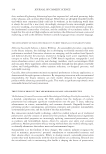
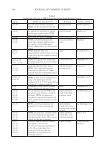
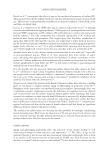
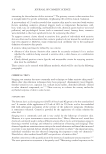
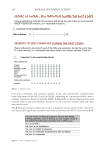
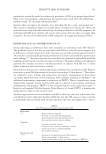
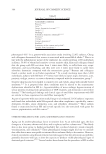
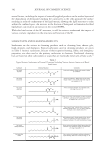
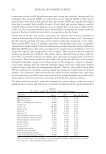
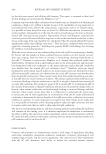
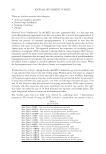
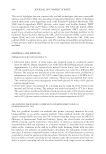
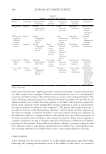
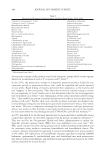
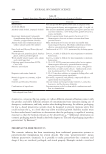
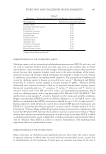
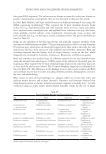
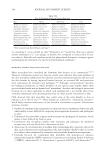
Table I
Preservatives Frequently Used in Cosmetic and Drug Formulations, 1970s–2024
2-Bromo-2-nitropropane-1,3-diol Hexamidine isethionate
5-Bromo-5-nitro-1,3-dioxane Imadazolidinyl urea
Benzalkonium chloride Iodopropynyl butylcarbamate
Benzethonium chloride Isobutylparaben
Benzoic acid Isopropylparaben
Benzyl alcohol Methenamine
Boric acid and sodium borate Methyldibromoglutaronitrile
Butylparaben Methyparaben
Captan p-Chloro-m-cresol
Chlorhexidine acetate Phenoxyethanol
Chlorhexidine digluconate Phenethyl alcohol
Chlorhexidine dihydrochloride Phenyl mercuric acetate
Chloracetamide Polymethoxy bicyclic oxazolidine
Chloroxylenol Propylparaben
Chlorphenesin Quaternium-15
Dehydroacetic acid Salicylic acid
Dichlorobenzyl alcohol Sodium benzoate
Dimethoxane Sodium dehydroacetate
Diazolidinyl urea Sodium metabisulfite
DMDM hydantoin Sodium salicylate
Ethylparaben Sodium hydroxymethylglycinate
Formalin (aqueous solution of formaldehyde) Sodium sulfite
Glutaraldehyde Sorbic acid
*Table adapted from Orth.14
were present in many of the products tested, had synergistic antimicrobial activity against
fluorescent pseudomonads such as P. aeruginosa and P. putida.16
In the 1970s, the preservative systems in adequately preserved products killed the test
organisms quickly so preservative efficacy tests could be completed and results reported
in two weeks. Rapid killing of bacteria prevented their adaptation, so the bacteria did
not “reappear” at later time points. Thus, there was no need to continue trying to recover
the test organisms at 2 and 4 weeks once it was determined that the test microorganisms
had been killed on or before 7 days. Elimination of this useless (non-value-added) testing
after 7 days enabled one person to perform full preservative efficacy tests on more than 10
products each week.17 Further, there were virtually no delays in product development due
to microbiology testing because formulators got results of preservative efficacy tests within
two weeks. This was a competitive advantage because formulators could get preservative
efficacy test results on their formulas in two weeks and not have to wait up to two months
for test results when the microbiology lab used CTFA/PCPC and USP test methods.12,13
In 1976, Fairchild II (at the National Institute for Occupational Safety and Health) issued
a report that called for “no detectable exposure levels for proven carcinogenic substances.”18
This was used by the Occupational Health and Safety Administration to update the
allowable personal exposure limits (PELs) that were published a few years later.19 The
PELs raised concerns for safety during production for workers handling formaldehyde and
for consumers using products containing formaldehyde and formaldehyde donors. The
cosmetic industry responded by beginning to remove formaldehyde from many products
in the 1980s. The replacement of formaldehyde releasing ingredients including DMDM
hydantoin, quaternium-15, imidazolidinyl urea, and diazolidinyl urea with preservatives
that did not release formaldehyde, and multifunctional ingredients also began in the 1980s
and has continued for several decades.
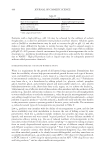
Table I
Preservatives Frequently Used in Cosmetic and Drug Formulations, 1970s–2024
2-Bromo-2-nitropropane-1,3-diol Hexamidine isethionate
5-Bromo-5-nitro-1,3-dioxane Imadazolidinyl urea
Benzalkonium chloride Iodopropynyl butylcarbamate
Benzethonium chloride Isobutylparaben
Benzoic acid Isopropylparaben
Benzyl alcohol Methenamine
Boric acid and sodium borate Methyldibromoglutaronitrile
Butylparaben Methyparaben
Captan p-Chloro-m-cresol
Chlorhexidine acetate Phenoxyethanol
Chlorhexidine digluconate Phenethyl alcohol
Chlorhexidine dihydrochloride Phenyl mercuric acetate
Chloracetamide Polymethoxy bicyclic oxazolidine
Chloroxylenol Propylparaben
Chlorphenesin Quaternium-15
Dehydroacetic acid Salicylic acid
Dichlorobenzyl alcohol Sodium benzoate
Dimethoxane Sodium dehydroacetate
Diazolidinyl urea Sodium metabisulfite
DMDM hydantoin Sodium salicylate
Ethylparaben Sodium hydroxymethylglycinate
Formalin (aqueous solution of formaldehyde) Sodium sulfite
Glutaraldehyde Sorbic acid
*Table adapted from Orth.14