496 JOURNAL OF COSMETIC SCIENCE
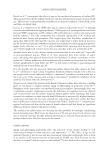
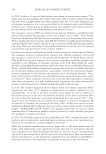
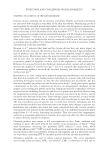
Formulas with a high pH (e.g., pH 9) may be achieved by the addition of sodium
thioglycolate, as is done for permanent wave products and hair relaxers. Alkaline agents
such as NaOH or triethanolamine may be used to increase the pH to pH 9, and this
makes it more difficult for bacteria to survive because they need to expend energy to
maintain their intracellular pH/homeostasis. For example, liquid soaps with an alkaline
pH (pH 9.5–10.5) present a hostile environment for growth of microorganisms due to the
chaotropic (i.e., membrane destabilizing) effect of ionized fatty acids and the free alkalinity
due to NaOH.11 High pH products such as liquid soaps may be adequately preserved
without added preservative chemicals.
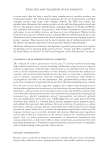
HURDLE TECHNOLOGY: USE OF LOW WATER ACTIVITY
Water is a requirement for the growth of all known living organisms. Formulations that
limit the availability of water help prevent microbial growth because each type of bacteria,
yeast, and mold has an optimal a
w and a range of a
w values for growth under any given set
of environmental conditions (e.g., nutrients available, temperature, pH, etc.).39 Formulators
may lower the a
w in a formulation by adding polyols (i.e., glycerin, sorbitol, propylene
glycol, butylene glycol, and pentylene glycol) and water-soluble solutes (i.e., salts, protein
hydrolysates/ammino acids, short-chain fatty acids, sugars, etc.) to achieve the desired a
w .
Unfortunately, use of effective levels of these solutes often interferes with the aesthetics of the
product (e.g., skin feel, rub-in time, tackiness, etc.). One does not need to add enough polyols
or water-soluble solutes to reach the minimum a
w values for specific microorganisms because
just adding enough to lower the a
w to 0.97 will prevent growth of pseudomonads—a major
problem in aqueous products—and this reduced a
w hurdle will work with the other hurdles
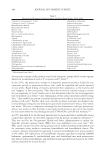
in the preservative system to prevent growth of bacteria, yeasts, and molds. The minimum
a
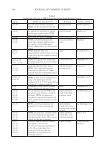
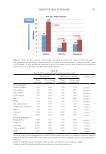
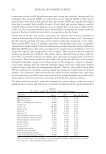
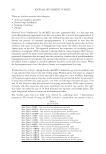
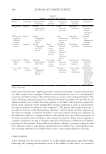
w values for several types of microorganisms are presented in Table V.
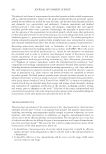
Low a
w products may interfere with the ability of microorganisms to grow, and the low
water availability may slow metabolism to decrease the rate of killing action by some
preservatives. Such low a
w products include eyeliners, face powders, lip rouge, lip gloss,
lipstick, and mascaras and were termed “atypical products” because different methods of
preservative efficacy testing (e.g., the use of reduced numbers of microorganisms in the
inoculum, reduced volume of inoculum, surface sampling—as opposed to taking an aliquot
from an evenly dispersed/mixed aqueous sample—and use of different sample diluents),
and different acceptance criteria may be required.40 Even if such makeup products require
“relaxed” acceptance criteria, they should be bacteriostatic/fungistatic (e.g., they should
not allow microbial growth) or be slowly bactericidal/fungicidal, and they must have an
acceptable microbial load—an aerobic plate count (APC) 100 cfu/g (10 cfu/g preferred),
or PCPC limits of 1,000 cfu/g for topical products and an APC 500 cfu/g for eye-area
and baby products,41 and no objectionable microorganisms.
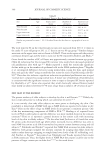
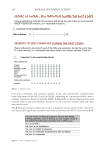
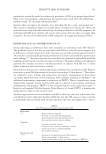
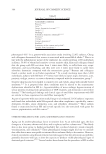
Table IV
pH Requirements for Types of Microorganisms.
Type of microorganism Typical pH range for growth
Many common bacteria pH 5–9
Lactic acid bacteria pH 3.5–8.5
Many yeasts and molds pH 4.5–9
*Table adapted from Orth.31
Formulas with a high pH (e.g., pH 9) may be achieved by the addition of sodium
thioglycolate, as is done for permanent wave products and hair relaxers. Alkaline agents
such as NaOH or triethanolamine may be used to increase the pH to pH 9, and this
makes it more difficult for bacteria to survive because they need to expend energy to
maintain their intracellular pH/homeostasis. For example, liquid soaps with an alkaline
pH (pH 9.5–10.5) present a hostile environment for growth of microorganisms due to the
chaotropic (i.e., membrane destabilizing) effect of ionized fatty acids and the free alkalinity
due to NaOH.11 High pH products such as liquid soaps may be adequately preserved
without added preservative chemicals.
HURDLE TECHNOLOGY: USE OF LOW WATER ACTIVITY
Water is a requirement for the growth of all known living organisms. Formulations that
limit the availability of water help prevent microbial growth because each type of bacteria,
yeast, and mold has an optimal a
w and a range of a
w values for growth under any given set
of environmental conditions (e.g., nutrients available, temperature, pH, etc.).39 Formulators
may lower the a
w in a formulation by adding polyols (i.e., glycerin, sorbitol, propylene
glycol, butylene glycol, and pentylene glycol) and water-soluble solutes (i.e., salts, protein
hydrolysates/ammino acids, short-chain fatty acids, sugars, etc.) to achieve the desired a
w .
Unfortunately, use of effective levels of these solutes often interferes with the aesthetics of the
product (e.g., skin feel, rub-in time, tackiness, etc.). One does not need to add enough polyols
or water-soluble solutes to reach the minimum a
w values for specific microorganisms because
just adding enough to lower the a
w to 0.97 will prevent growth of pseudomonads—a major
problem in aqueous products—and this reduced a
w hurdle will work with the other hurdles
in the preservative system to prevent growth of bacteria, yeasts, and molds. The minimum
a
w values for several types of microorganisms are presented in Table V.
Low a
w products may interfere with the ability of microorganisms to grow, and the low
water availability may slow metabolism to decrease the rate of killing action by some
preservatives. Such low a
w products include eyeliners, face powders, lip rouge, lip gloss,
lipstick, and mascaras and were termed “atypical products” because different methods of
preservative efficacy testing (e.g., the use of reduced numbers of microorganisms in the
inoculum, reduced volume of inoculum, surface sampling—as opposed to taking an aliquot
from an evenly dispersed/mixed aqueous sample—and use of different sample diluents),
and different acceptance criteria may be required.40 Even if such makeup products require
“relaxed” acceptance criteria, they should be bacteriostatic/fungistatic (e.g., they should
not allow microbial growth) or be slowly bactericidal/fungicidal, and they must have an
acceptable microbial load—an aerobic plate count (APC) 100 cfu/g (10 cfu/g preferred),
or PCPC limits of 1,000 cfu/g for topical products and an APC 500 cfu/g for eye-area
and baby products,41 and no objectionable microorganisms.
Table IV
pH Requirements for Types of Microorganisms.
Type of microorganism Typical pH range for growth
Many common bacteria pH 5–9
Lactic acid bacteria pH 3.5–8.5
Many yeasts and molds pH 4.5–9
*Table adapted from Orth.31