494 JOURNAL OF COSMETIC SCIENCE
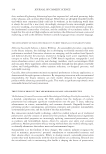
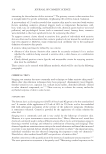
closures (i.e., screwcap, flip top, pump, etc.) allow different amounts of human contact with
the product and allow different amounts of contamination/water intrusion during use of
shampoos, conditioners, and body washes when bathing/showering. In addition, packaging
for low a
w -based preservative systems must be designed to prevent moisture entry that
could increase the a
w to a level that may allow microbial growth. Stability studies must
be done under humid conditions to demonstrate that the packaging is capable of resisting
moisture so that the formula remains at the desired low a
w .34 Additional information on
cosmetic packaging may be found in the book chapter on “The role of packaging in product
preservation” by Brannan.35
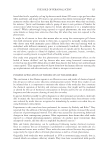
PRESERVATIVE-FREE PRODUCTS
The cosmetic industry has been transitioning from traditional preservative systems to
preservative-free formulations for several decades. The term “preservative-free” means
without preservative chemicals. It is possible to make preservative-free cosmetics and
drugs if they are sterilized, packaged, and stored properly. Examples include a sterilized
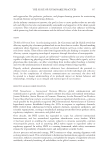
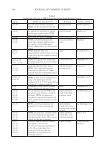
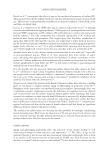
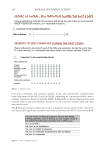
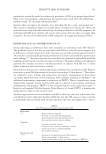
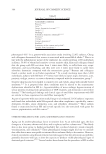
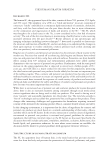
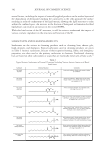
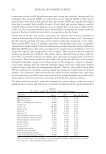
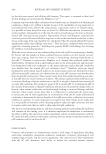
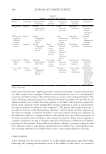
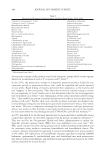
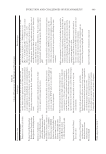
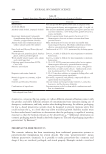
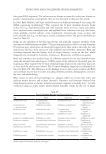
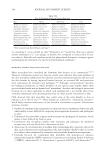
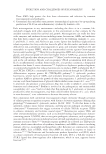
Table III
Formula Ingredients That may be Part of the Preservative System of a Product
Ingredient Function
Preservatives Kill susceptible MO rapidly when used at adequate levels.
Acids and Alkalis Reduce growth of many microorganisms at pH 5 or pH 9.
Alcohols (ethyl alcohol, isopropyl alcohol) May increase membrane permeability, precipitate proteins and
inactivate enzymes 25% will prevent growth of bacteria,
yeasts, and molds.
Quaternary Ammonium Compounds
(benzalkonium chloride, benzethonium
chloride, cetylpyridinium chloride)
Effective against many Gram-positive bacteria at 0.1%
Gram-negative bacteria are more resistant than Gram
positive bacteria.
Anionic Surfactants (ammonium lauryl
sulfate, sodium lauryl ether sulfate)
Many Gram-positive bacteria are more susceptible than
Gram-negative bacteria. Micellular solubilization lowers
effective concentration of lipophilic preservatives.
Fatty Acids and Glyceryl Esters (glyceryl
monolaurate)
Antibacterial at 0.5%–2.0%, potentiated by chelating agents.
Polyols (glycerin, propylene glycol, butylene
glycol, sorbitol, pentylene glycol)
Lower aw to make it difficult for microorganisms to maintain
homeostasis.
Water-soluble solutes (sugars, salts, amino
acids, small peptides)
Lower aw to make it difficult for microorganisms to maintain
homeostasis.
Chelating agents (tetrasodium EDTA,
Citric acid)
0.1%–0.3% EDTA potentiates antimicrobial action against
Gram-negative bacteria by permeabilization synergy.
Phenolic antioxidants MIC values of 70 ppm for Staphylococcus aureus, 150 ppm for
Escherichia coli and Candida albicans. Antibacterial action
may be eliminated by 1.5%–3% vegetable oil.
Fragrances and aroma chemicals 0.1%–1% may have additive or synergistic killing effect with
other preservative system ingredients.
Botanicals (green tea, rosemary, willow
bark)
Flavonoids, terpenoids, and phenolic compounds effective
against many microorganisms.
Enzymes and Microbial Ferments Glucose oxidase and lactoperoxidase enzymes. Lactobacillus,
Leuconostoc, and Saccharomyces ferments.
Combinations of ingredients Experimentation needed to show which combinations work
best in a formulation.
*Table adapted from Orth.14
closures (i.e., screwcap, flip top, pump, etc.) allow different amounts of human contact with
the product and allow different amounts of contamination/water intrusion during use of
shampoos, conditioners, and body washes when bathing/showering. In addition, packaging
for low a
w -based preservative systems must be designed to prevent moisture entry that
could increase the a
w to a level that may allow microbial growth. Stability studies must
be done under humid conditions to demonstrate that the packaging is capable of resisting
moisture so that the formula remains at the desired low a
w .34 Additional information on
cosmetic packaging may be found in the book chapter on “The role of packaging in product
preservation” by Brannan.35
PRESERVATIVE-FREE PRODUCTS
The cosmetic industry has been transitioning from traditional preservative systems to
preservative-free formulations for several decades. The term “preservative-free” means
without preservative chemicals. It is possible to make preservative-free cosmetics and
drugs if they are sterilized, packaged, and stored properly. Examples include a sterilized
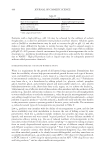
Table III
Formula Ingredients That may be Part of the Preservative System of a Product
Ingredient Function
Preservatives Kill susceptible MO rapidly when used at adequate levels.
Acids and Alkalis Reduce growth of many microorganisms at pH 5 or pH 9.
Alcohols (ethyl alcohol, isopropyl alcohol) May increase membrane permeability, precipitate proteins and
inactivate enzymes 25% will prevent growth of bacteria,
yeasts, and molds.
Quaternary Ammonium Compounds
(benzalkonium chloride, benzethonium
chloride, cetylpyridinium chloride)
Effective against many Gram-positive bacteria at 0.1%
Gram-negative bacteria are more resistant than Gram
positive bacteria.
Anionic Surfactants (ammonium lauryl
sulfate, sodium lauryl ether sulfate)
Many Gram-positive bacteria are more susceptible than
Gram-negative bacteria. Micellular solubilization lowers
effective concentration of lipophilic preservatives.
Fatty Acids and Glyceryl Esters (glyceryl
monolaurate)
Antibacterial at 0.5%–2.0%, potentiated by chelating agents.
Polyols (glycerin, propylene glycol, butylene
glycol, sorbitol, pentylene glycol)
Lower aw to make it difficult for microorganisms to maintain
homeostasis.
Water-soluble solutes (sugars, salts, amino
acids, small peptides)
Lower aw to make it difficult for microorganisms to maintain
homeostasis.
Chelating agents (tetrasodium EDTA,
Citric acid)
0.1%–0.3% EDTA potentiates antimicrobial action against
Gram-negative bacteria by permeabilization synergy.
Phenolic antioxidants MIC values of 70 ppm for Staphylococcus aureus, 150 ppm for
Escherichia coli and Candida albicans. Antibacterial action
may be eliminated by 1.5%–3% vegetable oil.
Fragrances and aroma chemicals 0.1%–1% may have additive or synergistic killing effect with
other preservative system ingredients.
Botanicals (green tea, rosemary, willow
bark)
Flavonoids, terpenoids, and phenolic compounds effective
against many microorganisms.
Enzymes and Microbial Ferments Glucose oxidase and lactoperoxidase enzymes. Lactobacillus,
Leuconostoc, and Saccharomyces ferments.
Combinations of ingredients Experimentation needed to show which combinations work
best in a formulation.
*Table adapted from Orth.14