354 JOURNAL OF COSMETIC SCIENCE
interesting for the evaluation of skin irritation.5,6 The primary concern is that sensitive skin
is strongly linked to specific individuals, emphasizing the need for clinical evaluation.
A meta-analysis of 13 studies revealed that sensitive skin may be associated with various
factors, including cosmetics, physical triggers (such as temperature fluctuations, cold,
heat, wind, sun, air conditioning, and humidity levels), chemical agents (such as water and
pollution), and psychological factors (such as emotional stress). Among these, cosmetics
were identified as the most significant factor, far surpassing the others.7
To support cosmetic claims related to sensitive skin, panels of individuals with sensitive
skin are often used to demonstrate that cosmetic products do not worsen the condition and
may even improve it. However, many evaluations lack credibility due to the inadequate
definition of sensitive skin panels.
A sensitive skin panel must be defined by two criteria:
• Absence of skin disease: Sensitive skin cannot be accurately evaluated if it is unclear
whether the condition being assessed is sensitive skin, a skin disease, or a combination
of both.
• Clearly defined positive criteria: Specific and measurable criteria for assessing sensitive
skin must be established.
These criteria can be assessed with different methods, which will be cited in the following
paragraphs.
CHEMICAL TESTS
Stinging test remains the most commonly used technique to define sensitive skin panels.8
Many other objectification techniques have been proposed: chromametry, laser Doppler,
thermal sensitivity test, capsaicin test, sodium lauryl sulfate, dimethyl sulfoxide, ethanol
or other chemical compounds, etc.9–11 These tests try to evaluate the sensory and/or the
erythemal response of skin to some factors.
STINGING TEST
The famous lactic acid stinging test (LAST) of Frosch and Kligman is the first standardized
test.8 It consists of the application of 0.5 mL of 10% (or 5%) lactic acid to the nasolabial
fold with subsequent assessment of the severity of the subjective symptoms. Erythema
is sometimes evaluated. Control is provided by the application of a saline solution the
other fold.
Stinging test is commonly used and is very useful for the follow-up of sensitive skin.
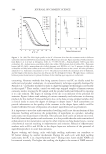
However, it is a poor instrument to assess sensitive skin.12 Hence, Marriott et al. tested four
chemicals commonly used to induce different sensory effects: lactic acid (stinging), capsaicin
(burning), menthol (cooling), and ethanol (a combination of burning and stinging). They
observed significant variations in reactivity to the tested substances and found that increased
reactivity to one material did not reliably predict reactivity to others.13 An important intra-
individual variability was also observed comparing the responses to only two chemicals.14
Nonetheless, other authors found LAST was predictive of sensitive skin.15
Another controversy is the quantification of the intensity of unpleasant sensory responses.16,17
The semi-quantitative assessment is frequently used.18 Measuring cerebral responses to the
interesting for the evaluation of skin irritation.5,6 The primary concern is that sensitive skin
is strongly linked to specific individuals, emphasizing the need for clinical evaluation.
A meta-analysis of 13 studies revealed that sensitive skin may be associated with various
factors, including cosmetics, physical triggers (such as temperature fluctuations, cold,
heat, wind, sun, air conditioning, and humidity levels), chemical agents (such as water and
pollution), and psychological factors (such as emotional stress). Among these, cosmetics
were identified as the most significant factor, far surpassing the others.7
To support cosmetic claims related to sensitive skin, panels of individuals with sensitive
skin are often used to demonstrate that cosmetic products do not worsen the condition and
may even improve it. However, many evaluations lack credibility due to the inadequate
definition of sensitive skin panels.
A sensitive skin panel must be defined by two criteria:
• Absence of skin disease: Sensitive skin cannot be accurately evaluated if it is unclear
whether the condition being assessed is sensitive skin, a skin disease, or a combination
of both.
• Clearly defined positive criteria: Specific and measurable criteria for assessing sensitive
skin must be established.
These criteria can be assessed with different methods, which will be cited in the following
paragraphs.
CHEMICAL TESTS
Stinging test remains the most commonly used technique to define sensitive skin panels.8
Many other objectification techniques have been proposed: chromametry, laser Doppler,
thermal sensitivity test, capsaicin test, sodium lauryl sulfate, dimethyl sulfoxide, ethanol
or other chemical compounds, etc.9–11 These tests try to evaluate the sensory and/or the
erythemal response of skin to some factors.
STINGING TEST
The famous lactic acid stinging test (LAST) of Frosch and Kligman is the first standardized
test.8 It consists of the application of 0.5 mL of 10% (or 5%) lactic acid to the nasolabial
fold with subsequent assessment of the severity of the subjective symptoms. Erythema
is sometimes evaluated. Control is provided by the application of a saline solution the
other fold.
Stinging test is commonly used and is very useful for the follow-up of sensitive skin.
However, it is a poor instrument to assess sensitive skin.12 Hence, Marriott et al. tested four
chemicals commonly used to induce different sensory effects: lactic acid (stinging), capsaicin
(burning), menthol (cooling), and ethanol (a combination of burning and stinging). They
observed significant variations in reactivity to the tested substances and found that increased
reactivity to one material did not reliably predict reactivity to others.13 An important intra-
individual variability was also observed comparing the responses to only two chemicals.14
Nonetheless, other authors found LAST was predictive of sensitive skin.15
Another controversy is the quantification of the intensity of unpleasant sensory responses.16,17
The semi-quantitative assessment is frequently used.18 Measuring cerebral responses to the