363 Sensitive Skin Syndrome
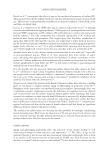
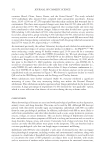
populations around the world to evaluate the prevalence of SSS in the general population.5
Chen et al.’s meta-analysis—representing 18 countries and a total of 51,783 individuals—
showed around 71% of people self-reported SSS.6
Sensitive skin can impact all anatomic sites, including the face, scalp, and genital area.5,7
This can have a significant impact on an individual’s everyday social routine life. Often, the
individual must cope with other dermatologic disorders in addition to the SSS symptoms. An
individual with SSS must identify and avoid a wide variety of factors that can trigger their
symptoms. In turn, the manifestation of SSS symptoms can trigger psychological effects.
BIOPHYSIOLOGICAL CONTRIBUTORS OF SSS
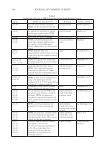
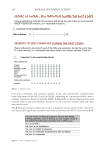
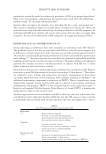
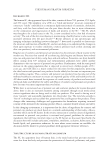
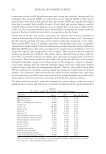
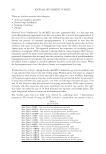
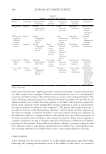
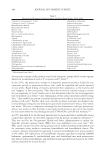
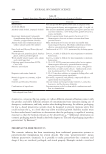
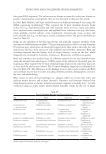
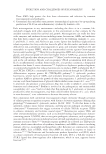
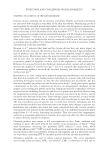
Several physiological differences have been identified in individuals with SSS (Table I).
The epidermal layer of the skin in individuals with SSS has reduced barrier integrity due
to differences in lipid composition, with a decrease in ceramide and sphingolipid content.8
This results in increasing the potential penetration of irritants and insufficient protection of
nerve endings.5,8–10 Increased vascular reactivity has been observed in individuals with SSS,
resulting in more intense vascular reactions to irritants.11 Roussaki–Schulze and colleagues
reported that vascular reactions to methyl nicotinate in subjects with SSS was 75 times
higher compared with nonsensitive controls.12
Neurosensory dysfunction is another physiological element that contributes to SSS. Biopsies
from subjects with SSS demonstrated a decrease of peptidergic C-fiber density.14 These fibers
are involved in pain, itching, and temperature perception. Degeneration of these fibers
can induce hyper-reactivity of the remaining nerve endings, resulting in allodynia.11 An
additional neurosensory component is an increase in TRPV1. This is a nonselective cation
channel that responds to heat and low pH, and it is related to nociception, neurogenic
inflammation, and pruritus. TRPV-1 is also classically known as the capsaicin receptor.15,16
Based on self-reported SSS skin biopsies, Ehnis-Pérez et al. found TRPV1 is dramatically
upregulated in subjects with sensitive skin.15
Another important factor for individuals with SSS is that they may also suffer from other
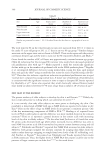
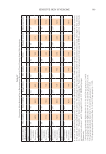
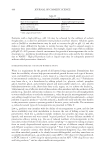
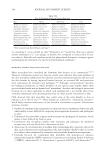
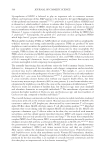
comorbidities and/or additional disorders (Table II). Just like SSS, rosacea is more common
in individuals who are female with fair skin and hair, blue eyes, and lighter skin—that is,
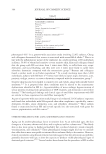
Table I
Some Physiological Elements Contributing to SSS
Epidermal
5,8–10 Reduced barrier integrity
Decrease in ceramide and sphingolipid
Increased penetration of potential irritants
Decreased protection of nerve endings
Vascular
12,13 Increase in vascular activity
Intense vascular reaction to methyl nicotinate
Greater reactions to standard allergens
Lower alkali resistance
Neurosensorial
11,14–16 Decrease of intraepidermal nerve fiber density
Reduced peptidergic C-fiber density
Increase in transient receptor potential vanilloid-1 (TRPV1)
populations around the world to evaluate the prevalence of SSS in the general population.5
Chen et al.’s meta-analysis—representing 18 countries and a total of 51,783 individuals—
showed around 71% of people self-reported SSS.6
Sensitive skin can impact all anatomic sites, including the face, scalp, and genital area.5,7
This can have a significant impact on an individual’s everyday social routine life. Often, the
individual must cope with other dermatologic disorders in addition to the SSS symptoms. An
individual with SSS must identify and avoid a wide variety of factors that can trigger their
symptoms. In turn, the manifestation of SSS symptoms can trigger psychological effects.
BIOPHYSIOLOGICAL CONTRIBUTORS OF SSS
Several physiological differences have been identified in individuals with SSS (Table I).
The epidermal layer of the skin in individuals with SSS has reduced barrier integrity due
to differences in lipid composition, with a decrease in ceramide and sphingolipid content.8
This results in increasing the potential penetration of irritants and insufficient protection of
nerve endings.5,8–10 Increased vascular reactivity has been observed in individuals with SSS,
resulting in more intense vascular reactions to irritants.11 Roussaki–Schulze and colleagues
reported that vascular reactions to methyl nicotinate in subjects with SSS was 75 times
higher compared with nonsensitive controls.12
Neurosensory dysfunction is another physiological element that contributes to SSS. Biopsies
from subjects with SSS demonstrated a decrease of peptidergic C-fiber density.14 These fibers
are involved in pain, itching, and temperature perception. Degeneration of these fibers
can induce hyper-reactivity of the remaining nerve endings, resulting in allodynia.11 An
additional neurosensory component is an increase in TRPV1. This is a nonselective cation
channel that responds to heat and low pH, and it is related to nociception, neurogenic
inflammation, and pruritus. TRPV-1 is also classically known as the capsaicin receptor.15,16
Based on self-reported SSS skin biopsies, Ehnis-Pérez et al. found TRPV1 is dramatically
upregulated in subjects with sensitive skin.15
Another important factor for individuals with SSS is that they may also suffer from other
comorbidities and/or additional disorders (Table II). Just like SSS, rosacea is more common
in individuals who are female with fair skin and hair, blue eyes, and lighter skin—that is,
Table I
Some Physiological Elements Contributing to SSS
Epidermal
5,8–10 Reduced barrier integrity
Decrease in ceramide and sphingolipid
Increased penetration of potential irritants
Decreased protection of nerve endings
Vascular
12,13 Increase in vascular activity
Intense vascular reaction to methyl nicotinate
Greater reactions to standard allergens
Lower alkali resistance
Neurosensorial
11,14–16 Decrease of intraepidermal nerve fiber density
Reduced peptidergic C-fiber density
Increase in transient receptor potential vanilloid-1 (TRPV1)