365 Sensitive Skin Syndrome
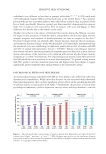
individuals is no different or less than in younger individuals.19,23,33,34 A 2010 study with
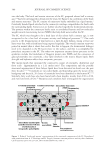
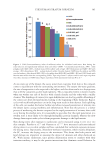
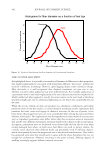
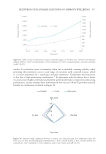
1,039 individuals evaluated SSS at several body sites in the United States.29 No consistent
pattern with age was seen when subjects were asked about sensitive skin in general (of the
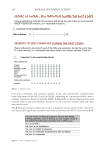
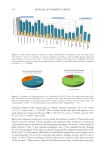
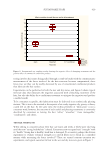
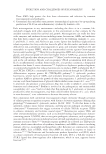
face or body, specifically). However, genital area skin sensitivity demonstrated an increase
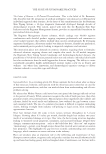
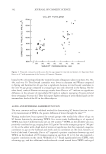
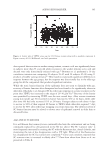
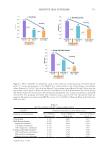
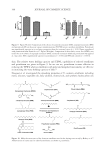
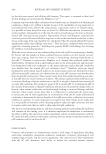
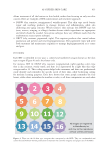
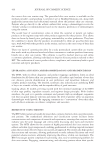
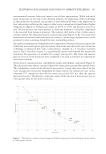
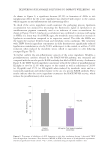
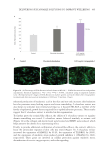
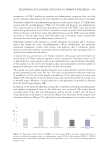
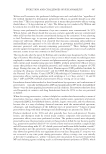
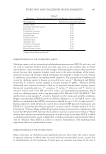
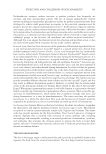
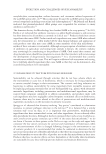
from 53% in subjects ≤30 years old to 66% in subjects ≥50 years old (Figure 1). This
difference was mainly due to the females in the study.
Another critical factor is the impact of hormonal fluctuations during the different consumer
life stages on skin sensitivity. In both the dermis and epidermis, the skin has highly sensitive
estrogen receptors, and variation of female hormones can have an impact on the skin.38
Decreased estrogen levels can adversely affect barrier function, elasticity, blood circulation,
and vasomotor function. Farage’s study, which included 1,039 individuals, demonstrated that
the menstrual cycle was contributing to unpleasant genital skin in 61% of women with SSS
and 40% of women with nonsensitive skin (p 0.00001).37 Falcone and colleagues reported
that women with more intense perimenstrual symptoms perceived their skin as more sensitive
during some phases of the menstrual cycle compared with women who had lower intensity
symptoms (p =0.002).39 Furthermore, 70% of postmenopausal women claimed they perceived
that SSS caused their skin sensitivity to increase after menopause.39 In general, among women
with SSS, products used for menstrual protection and hygiene have been shown to trigger
significantly greater symptoms than among women in the nonsensitive group.37
PSYCHOLOGICAL EFFECTS OF SKIN DISEASE
As mentioned previously, individuals with SSS are more likely to also suffer from other skin
disorders and comorbidities. While most skin diseases are not associated with substantial
functional impairment, they can have significant adverse effects on the psychological health
of sufferers and the overall quality of life (QoL).40 Furthermore, the presence of certain other
psychological conditions—such as depression, anxiety, stress, and sleep disorders—can lead
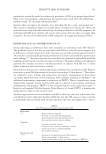
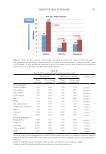
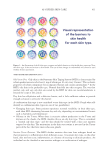
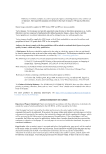
Figure 1. Age and gender effect on prevalence of sensitive genital skin. Responders were asked if they had
sensitive skin (“slight,” “moderate,” or “very”).35,36 MH chi-square was used to test for correlations between
perceptions of sensitive skin and age for responders overall and for each gender. Adapted with permission from
reference 37. Copyright 2019 Frontiers Media.
individuals is no different or less than in younger individuals.19,23,33,34 A 2010 study with
1,039 individuals evaluated SSS at several body sites in the United States.29 No consistent
pattern with age was seen when subjects were asked about sensitive skin in general (of the
face or body, specifically). However, genital area skin sensitivity demonstrated an increase
from 53% in subjects ≤30 years old to 66% in subjects ≥50 years old (Figure 1). This
difference was mainly due to the females in the study.
Another critical factor is the impact of hormonal fluctuations during the different consumer
life stages on skin sensitivity. In both the dermis and epidermis, the skin has highly sensitive
estrogen receptors, and variation of female hormones can have an impact on the skin.38
Decreased estrogen levels can adversely affect barrier function, elasticity, blood circulation,
and vasomotor function. Farage’s study, which included 1,039 individuals, demonstrated that
the menstrual cycle was contributing to unpleasant genital skin in 61% of women with SSS
and 40% of women with nonsensitive skin (p 0.00001).37 Falcone and colleagues reported
that women with more intense perimenstrual symptoms perceived their skin as more sensitive
during some phases of the menstrual cycle compared with women who had lower intensity
symptoms (p =0.002).39 Furthermore, 70% of postmenopausal women claimed they perceived
that SSS caused their skin sensitivity to increase after menopause.39 In general, among women
with SSS, products used for menstrual protection and hygiene have been shown to trigger
significantly greater symptoms than among women in the nonsensitive group.37
PSYCHOLOGICAL EFFECTS OF SKIN DISEASE
As mentioned previously, individuals with SSS are more likely to also suffer from other skin
disorders and comorbidities. While most skin diseases are not associated with substantial
functional impairment, they can have significant adverse effects on the psychological health
of sufferers and the overall quality of life (QoL).40 Furthermore, the presence of certain other
psychological conditions—such as depression, anxiety, stress, and sleep disorders—can lead
Figure 1. Age and gender effect on prevalence of sensitive genital skin. Responders were asked if they had
sensitive skin (“slight,” “moderate,” or “very”).35,36 MH chi-square was used to test for correlations between
perceptions of sensitive skin and age for responders overall and for each gender. Adapted with permission from
reference 37. Copyright 2019 Frontiers Media.