379 The Human Stratum Corneum
BACKGROUND
The human SC, the uppermost layer of the skin, consists of about 70% proteins, 15% lipids,
and 15% water. The simplistic view of SC as a “brick and mortar” structure consisting of
corneocyte “bricks” embedded in a continuous lipid matrix made of ceramides, cholesterol,
and fatty acids has been refined over the past three decades, due to more information
on the composition and organization of lipids and proteins in the SC.1–5 The SC, which
was thought to be a dead tissue in the 70s, is now considered to be a hot bed of enzyme
activity.3 The role of the skin microbiome in maintaining a healthy barrier is also receiving
increased attention over the past decade.6–8 Recent advances in our spectroscopic and
imaging techniques including in-vivo techniques9–13 have made it possible to characterize
the structure and function of healthy SC, and in turn help us to understand the changes in
them upon exposure to weather conditions, cosmetic products (such as skin cleansing and
skin care products), and environmental pollutants.
Regular use of cosmetics and personal care products has become part of daily routine in the
modern era. Practices that started off as enhancing daily hygiene and beauty have evolved
into care and protection of skin, scalp, hair, and oral surfaces. Preventive care from harmful
effects arising from UV radiation and environmental pollutants have added another
dimension to the care aspects of personal care products. Furthermore, with the anticipated
increase in the aging population that is expected to exceed over a billion people of 65+
years age, and with skin as a major conduit for infections for this population, protecting
the skin barrier with personal care products for the elderly has become an important part
of the wellness regime. Thus, cosmetic and personal care products have become part of the
wellness-healthcare continuum to ensure an improved quality of life and healthcare for all.
All these trends have increased the exposure of a wide variety of products and associated
chemicals daily, and therefore the safety and efficacy of cosmetic and personal care products
have become even more important than ever before.
While there is an increased use of personal care and cosmetics products for reasons discussed
above, there is also an increased awareness among consumers through social media about
various ingredients that are being used in daily use products. This trend is driving use of
more “naturals” and sustainable ingredients into the product line. The trend also extends to
“free-of” technologies such as sulfate-free, preservative-free, and fragrance-free products. These
changes offer interesting challenges and opportunities for formulators requiring increased
scrutiny of the alternatives for ensuring product efficacy, consumer desired sensory, and safety.
In this changing environment, it is important that the choice of ingredients for cosmetic and
personal care products are made based on a scientific understanding of their safety, efficacy,
and their effects on the SC barrier. In this review, interaction of common classes of ingredients
encountered in personal care products is reviewed and general guidelines for selection of
ingredients that will have minimal impact on the SC barrier are discussed. Specifically, the
discussion here will include surfactants, emulsifiers, emollients, occlusives, humectants, skin
benefit lipids, and penetration enhancers. In areas where recent reviews are available, the
discussion will be limited to general guidelines with appropriate literature references.
THE STRUCTURE OF HUMAN STRATUM CORNEUM
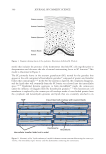
The SC, the uppermost layer of human skin, is the main barrier that prevents excessive
water loss from the body and prevents the penetration of chemicals, pollutants, and germs
BACKGROUND
The human SC, the uppermost layer of the skin, consists of about 70% proteins, 15% lipids,
and 15% water. The simplistic view of SC as a “brick and mortar” structure consisting of
corneocyte “bricks” embedded in a continuous lipid matrix made of ceramides, cholesterol,
and fatty acids has been refined over the past three decades, due to more information
on the composition and organization of lipids and proteins in the SC.1–5 The SC, which
was thought to be a dead tissue in the 70s, is now considered to be a hot bed of enzyme
activity.3 The role of the skin microbiome in maintaining a healthy barrier is also receiving
increased attention over the past decade.6–8 Recent advances in our spectroscopic and
imaging techniques including in-vivo techniques9–13 have made it possible to characterize
the structure and function of healthy SC, and in turn help us to understand the changes in
them upon exposure to weather conditions, cosmetic products (such as skin cleansing and
skin care products), and environmental pollutants.
Regular use of cosmetics and personal care products has become part of daily routine in the
modern era. Practices that started off as enhancing daily hygiene and beauty have evolved
into care and protection of skin, scalp, hair, and oral surfaces. Preventive care from harmful
effects arising from UV radiation and environmental pollutants have added another
dimension to the care aspects of personal care products. Furthermore, with the anticipated
increase in the aging population that is expected to exceed over a billion people of 65+
years age, and with skin as a major conduit for infections for this population, protecting
the skin barrier with personal care products for the elderly has become an important part
of the wellness regime. Thus, cosmetic and personal care products have become part of the
wellness-healthcare continuum to ensure an improved quality of life and healthcare for all.
All these trends have increased the exposure of a wide variety of products and associated
chemicals daily, and therefore the safety and efficacy of cosmetic and personal care products
have become even more important than ever before.
While there is an increased use of personal care and cosmetics products for reasons discussed
above, there is also an increased awareness among consumers through social media about
various ingredients that are being used in daily use products. This trend is driving use of
more “naturals” and sustainable ingredients into the product line. The trend also extends to
“free-of” technologies such as sulfate-free, preservative-free, and fragrance-free products. These
changes offer interesting challenges and opportunities for formulators requiring increased
scrutiny of the alternatives for ensuring product efficacy, consumer desired sensory, and safety.
In this changing environment, it is important that the choice of ingredients for cosmetic and
personal care products are made based on a scientific understanding of their safety, efficacy,
and their effects on the SC barrier. In this review, interaction of common classes of ingredients
encountered in personal care products is reviewed and general guidelines for selection of
ingredients that will have minimal impact on the SC barrier are discussed. Specifically, the
discussion here will include surfactants, emulsifiers, emollients, occlusives, humectants, skin
benefit lipids, and penetration enhancers. In areas where recent reviews are available, the
discussion will be limited to general guidelines with appropriate literature references.
THE STRUCTURE OF HUMAN STRATUM CORNEUM
The SC, the uppermost layer of human skin, is the main barrier that prevents excessive
water loss from the body and prevents the penetration of chemicals, pollutants, and germs