389 The Human Stratum Corneum
the lipids mainly in two ways: by intercalating into the bilayer lipids and introducing a
charge repulsion in the bilayer, and by solubilizing some of the more surfactant-soluble lipid
components such as cholesterol and fatty acids. Both these effects will increase the permeability
of the bilayer lipids, allowing surfactants and other foreign matter to penetrate deeper layers.
Repeat washing with such products can lead to progressive damage to the bilayer lipids
in deeper layers. These alterations will eventually increase the TEWL. Dehydration of the
surface layers also can affect the desquamation process, resulting in dry flaky skin.
Several in vitro and ex vivo tests have been developed to determine the lipid damage
potential of surfactants. These include simple solubilization of SC lipid components by
cleanser surfactants, disruption of liposomes made up of model lipids or SC identical lipids,
extraction of lipids from a model lipid film on a substrate such as glass, and lipid dissolution
from isolated SC or from in vivo wash measurements.28,32,33,48,49 Spectroscopic studies have
also been conducted to determine the changes in SC lipid organization upon exposure to
surfactants and cleansing products.50–52 All studies suggest that damage to SC lipids and
model lipid systems occurs upon exposure to harsh surfactants. Details of the molecular
mechanisms involved are not fully established so far. Based on the model system studies
of de la Maza et al., it is reasonable to hypothesize that the first stage of lipid damage is
intercalation of surfactants into the bilayer, which leads to fluidization of the lipid bilayer
followed by extraction of the more soluble components into the surfactant micelles.48
Frobe et al., by soaking an isolated piece of SC with SDS, showed that fatty acids and
cholesterol are extractable by surfactants and that ceramides are not.49 This is reasonable since
ceramides are two tailed highly hydrophobic molecules and are difficult to be solubilized by
conventional micelles. Imokawa and coworkers, on the other hand, showed in their in vivo
experiments that all lipids get removed during a surfactant wash.32 Note that with in vivo
experiments there will be some exfoliation of cells from the surface, and therefore removal
of all lipids associated with the corneocytes can be expected in this respect the Imokawa
experiments differed from that of Frobe’s. Importantly, Imokawa et al. found that fatty acids
are extracted at a higher rate than other lipids which were in similar ratios as expected in
the bilayer lipids.32 These results suggest that fatty acids are the more extractable lipids
among the various SC lipids, and therefore preventing extraction of FAs by presaturating
the micelles with FA could be a strategy to prevent lipid damage to SC. This has been
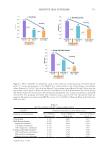
demonstrated in controlled arm wash studies with an anionic surfactant base and increasing
levels of FAs of chain length C16–C18, which showed that the addition of FAs reduced both
the TEWL and skin dryness significantly.53 However, it is important to ensure that such
presaturation does not have any impact on the cleansing or sensory properties of the system.
MOISTURIZING CLEANSERS
Cleansing systems these days have gone beyond simple, mild cleansing to providing
moisturization benefits by depositing and delivering benefit ingredients.53–55 Moisturizing
actives typically found in cleansing systems include lipids such as fatty acids53 and ceramides,54
occlusives such as petrolatum,55 triglyceride oils such as vegetable oils,53 and humectants such
as glycerol.53 In general, deposition efficiencies on skin from rinse-off systems are poor—
often less than 5%. Clinical studies have shown that even with such low levels of deposition,
consumer perceivable and clinically relevant results can be delivered from wash-off systems.
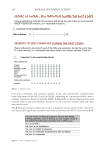
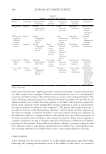
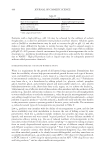
Recent advances in moisturizing cleansers have been reviewed recently.54,56 Typical strategies
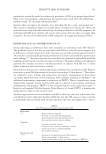
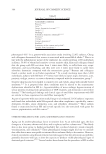
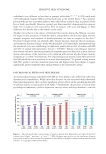
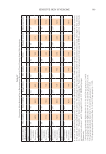
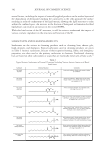
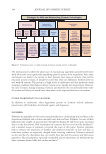
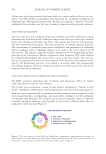
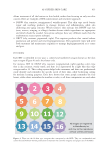
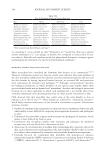
that can be used to create moisturizing cleansers are given in Figure 8.
the lipids mainly in two ways: by intercalating into the bilayer lipids and introducing a
charge repulsion in the bilayer, and by solubilizing some of the more surfactant-soluble lipid
components such as cholesterol and fatty acids. Both these effects will increase the permeability
of the bilayer lipids, allowing surfactants and other foreign matter to penetrate deeper layers.
Repeat washing with such products can lead to progressive damage to the bilayer lipids
in deeper layers. These alterations will eventually increase the TEWL. Dehydration of the
surface layers also can affect the desquamation process, resulting in dry flaky skin.
Several in vitro and ex vivo tests have been developed to determine the lipid damage
potential of surfactants. These include simple solubilization of SC lipid components by
cleanser surfactants, disruption of liposomes made up of model lipids or SC identical lipids,
extraction of lipids from a model lipid film on a substrate such as glass, and lipid dissolution
from isolated SC or from in vivo wash measurements.28,32,33,48,49 Spectroscopic studies have
also been conducted to determine the changes in SC lipid organization upon exposure to
surfactants and cleansing products.50–52 All studies suggest that damage to SC lipids and
model lipid systems occurs upon exposure to harsh surfactants. Details of the molecular
mechanisms involved are not fully established so far. Based on the model system studies
of de la Maza et al., it is reasonable to hypothesize that the first stage of lipid damage is
intercalation of surfactants into the bilayer, which leads to fluidization of the lipid bilayer
followed by extraction of the more soluble components into the surfactant micelles.48
Frobe et al., by soaking an isolated piece of SC with SDS, showed that fatty acids and
cholesterol are extractable by surfactants and that ceramides are not.49 This is reasonable since
ceramides are two tailed highly hydrophobic molecules and are difficult to be solubilized by
conventional micelles. Imokawa and coworkers, on the other hand, showed in their in vivo
experiments that all lipids get removed during a surfactant wash.32 Note that with in vivo
experiments there will be some exfoliation of cells from the surface, and therefore removal
of all lipids associated with the corneocytes can be expected in this respect the Imokawa
experiments differed from that of Frobe’s. Importantly, Imokawa et al. found that fatty acids
are extracted at a higher rate than other lipids which were in similar ratios as expected in
the bilayer lipids.32 These results suggest that fatty acids are the more extractable lipids
among the various SC lipids, and therefore preventing extraction of FAs by presaturating
the micelles with FA could be a strategy to prevent lipid damage to SC. This has been
demonstrated in controlled arm wash studies with an anionic surfactant base and increasing
levels of FAs of chain length C16–C18, which showed that the addition of FAs reduced both
the TEWL and skin dryness significantly.53 However, it is important to ensure that such
presaturation does not have any impact on the cleansing or sensory properties of the system.
MOISTURIZING CLEANSERS
Cleansing systems these days have gone beyond simple, mild cleansing to providing
moisturization benefits by depositing and delivering benefit ingredients.53–55 Moisturizing
actives typically found in cleansing systems include lipids such as fatty acids53 and ceramides,54
occlusives such as petrolatum,55 triglyceride oils such as vegetable oils,53 and humectants such
as glycerol.53 In general, deposition efficiencies on skin from rinse-off systems are poor—
often less than 5%. Clinical studies have shown that even with such low levels of deposition,
consumer perceivable and clinically relevant results can be delivered from wash-off systems.
Recent advances in moisturizing cleansers have been reviewed recently.54,56 Typical strategies
that can be used to create moisturizing cleansers are given in Figure 8.