393 The Human Stratum Corneum
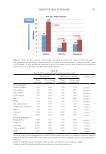
PEG ethers showed significant release of inflammatory markers compared to PEG esters.
Two exceptions among their tested esters were a PEG ester (PEG-25 hydrogenated castor
oil), and a sucrose ester (sucrose laurate). The large number of nonionic surfactants allowed
the authors to examine their results for structure-function relationships. Most parameters
such as CMC and HLB did not show any correlation with their impact on cytotoxicity.
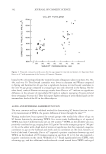
However, packing parameter or phase behavior seem to show an interesting correlation with
the higher packing parameter, or the more crystalline or lamellar structure the structure is,
the lower its tendency is to release inflammatory markers. This observation is also consistent
with the previously reported correlation between micelle charge density and skin irritation
potential for ionic surfactants as higher charge density results in lower packing parameters.34
The results presented by Lemery et al. clearly show that certain nonionic surfactants can be
harsher than others.73 Further research to understand the molecular mechanism governing
the effect of nonionic surfactants on skin penetration and their potential for skin irritation
is warranted. With increasing interest in enhancing skin penetration for advanced skin care
benefits, the importance of the delicate balance among enhancing penetration, stabilizing
emulsions, and preventing skin irritation may become important in the coming years.
EFFECT OF PENETRATION ENHANCERS ON SC STRUCTURE
Delivery of drugs and cosmetic actives through skin have been an active area of research
for decades, and it has been reviewed extensively.74–78 It is generally believed that a
molecular weight of 500 Daltons is a cut off for penetration of molecules into skin.78 The
extent of penetration of molecules with molecular weights is very much dependent upon
factors such as charge, polarity, and hydrophobicity. In this context, an approach often
employed to enhance delivery of actives is to use chemical penetration enhancers. Typical
penetration enhancers include surfactants, solvents, terpenes, azone and osmolytes.79
Among the surfactants-class, ionic, amphoteric, and nonionic surfactants are used as
penetration enhancers. Solvents (such as water, ethanol, and propylene glycol), terpenes
(such as menthol and camphor), and osmolytes, (such as glycerol and urea) are also used for
enhancing penetration through the SC. Penetration enhancers may function by multiple
mechanisms including enhancing solubility of actives, modifying the lipid structure, and
enhancing polar pathway by swelling the SC. Mechanisms by which surfactants impact the
penetration has been discussed in earlier sections in the context of skin cleansing. Since the
focus of this paper is on the interaction of ingredients with SC, the effect different types of
penetration enhancers on the structure of SC will be briefly reviewed here.
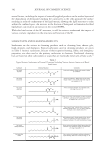
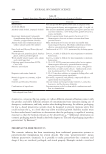
Moghadam et al. recently reviewed the effect of various types of penetration enhancers
on the SC lipid barrier.80 In their study, they used both SAXS and WAXS to investigate
structural changes to SC upon exposure to various penetration enhancers. Depending upon
the degree of alteration to the lipid structure observed from their SAXS patterns, they
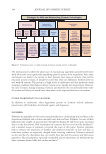
classified the penetration enhancers into five categories. These include minimal changes
to lipid structure, slight disordering, significant disordering, disruption of the lipid layer,
and formation of new lipid structure with incorporation of the enhancers. Some of their
observations are summarized below:
• Solvents such as ethanol and PG had the least impact on the SC lipid structure, even
though both have been shown to enhance skin penetration of actives. Moghadam et al.
attributed this to effect of solvent on solubility and partitioning of actives into the SC.80
PEG ethers showed significant release of inflammatory markers compared to PEG esters.
Two exceptions among their tested esters were a PEG ester (PEG-25 hydrogenated castor
oil), and a sucrose ester (sucrose laurate). The large number of nonionic surfactants allowed
the authors to examine their results for structure-function relationships. Most parameters
such as CMC and HLB did not show any correlation with their impact on cytotoxicity.
However, packing parameter or phase behavior seem to show an interesting correlation with
the higher packing parameter, or the more crystalline or lamellar structure the structure is,
the lower its tendency is to release inflammatory markers. This observation is also consistent
with the previously reported correlation between micelle charge density and skin irritation
potential for ionic surfactants as higher charge density results in lower packing parameters.34
The results presented by Lemery et al. clearly show that certain nonionic surfactants can be
harsher than others.73 Further research to understand the molecular mechanism governing
the effect of nonionic surfactants on skin penetration and their potential for skin irritation
is warranted. With increasing interest in enhancing skin penetration for advanced skin care
benefits, the importance of the delicate balance among enhancing penetration, stabilizing
emulsions, and preventing skin irritation may become important in the coming years.
EFFECT OF PENETRATION ENHANCERS ON SC STRUCTURE
Delivery of drugs and cosmetic actives through skin have been an active area of research
for decades, and it has been reviewed extensively.74–78 It is generally believed that a
molecular weight of 500 Daltons is a cut off for penetration of molecules into skin.78 The
extent of penetration of molecules with molecular weights is very much dependent upon
factors such as charge, polarity, and hydrophobicity. In this context, an approach often
employed to enhance delivery of actives is to use chemical penetration enhancers. Typical
penetration enhancers include surfactants, solvents, terpenes, azone and osmolytes.79
Among the surfactants-class, ionic, amphoteric, and nonionic surfactants are used as
penetration enhancers. Solvents (such as water, ethanol, and propylene glycol), terpenes
(such as menthol and camphor), and osmolytes, (such as glycerol and urea) are also used for
enhancing penetration through the SC. Penetration enhancers may function by multiple
mechanisms including enhancing solubility of actives, modifying the lipid structure, and
enhancing polar pathway by swelling the SC. Mechanisms by which surfactants impact the
penetration has been discussed in earlier sections in the context of skin cleansing. Since the
focus of this paper is on the interaction of ingredients with SC, the effect different types of
penetration enhancers on the structure of SC will be briefly reviewed here.
Moghadam et al. recently reviewed the effect of various types of penetration enhancers
on the SC lipid barrier.80 In their study, they used both SAXS and WAXS to investigate
structural changes to SC upon exposure to various penetration enhancers. Depending upon
the degree of alteration to the lipid structure observed from their SAXS patterns, they
classified the penetration enhancers into five categories. These include minimal changes
to lipid structure, slight disordering, significant disordering, disruption of the lipid layer,
and formation of new lipid structure with incorporation of the enhancers. Some of their
observations are summarized below:
• Solvents such as ethanol and PG had the least impact on the SC lipid structure, even
though both have been shown to enhance skin penetration of actives. Moghadam et al.
attributed this to effect of solvent on solubility and partitioning of actives into the SC.80