395 The Human Stratum Corneum
to be safe for personal care use.86 Typical petrolatum consists of a mixture of an amorphous
and a crystalline fraction with a wide range of chain lengths exhibiting a broad melting
peak starting from around the body temperature. The low molecular weight fractions
of petrolatum are essentially similar to mineral oil. The lack of high melting and more
hydrophobic fractions in mineral oil makes it less efficient as an occlusive compared to
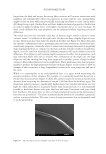
petrolatum. Petrolatum, or some of its fractions, have been shown to penetrate into crevices
and cracks in dry skin, resulting in its ability to mask the dry skin appearance and to
prevent water loss through them. Ghadially et al. have shown that barrier recovery of tape-
stripped skin is faster under an occlusive layer of petrolatum compared to its control.87
Petrolatum, though an excellent exclusive, will not increase the inherent water holding
capacity of skin, but it will prevent excessive water loss. In this regard, petrolatum, in
combination with a humectant such as glycerol, is more effective in moisturizing skin. In
contrast to petrolatum, triglycerides and lipidic materials will increase the water holding
capacity while providing a moisture barrier because of their polar head groups.
Because of the recent consumer desire towards moving away from petroleum-based materials
to naturals, several petrolatum mimics have also begun to appear in the marketplace.
These include plant-based waxes such as candelilla wax, carnauba wax, and shea butter.88,89
Vegelatum and Oleogels are essentially technologies in which natural waxes are mixed
with liquid oils to create a rheology and feel like that of petrolatum.88–90 In most cases, in
vivo data comparing the performance of alternatives with petrolatum is still lacking.
HUMECTANTS
Humectants will bind to water molecules and help retain more water in the corneum.
Glycerol, sorbitol, polyols, pyrrolidone carboxylic acid (NMF component), lactate salts,
and urea are among the humectants used in cosmetic formulations.91 Among small
molecules, ionic materials have a higher water holding capacity and a higher tendency
to remain in the corneum than their nonionic counterparts. Polymeric materials such as
hyaluronic acid and its hydrolyzed forms are beginning to find applications as humectants
in cosmetic products.92 Urea is often used as a humectant in pharmaceutical formulations.
At concentrations higher than 10%, urea has been also shown to have keratolytic activity
and hence it is used in treatments for psoriatic skin.93
Among the various humectants, glycerol has been studied extensively in the literature and
has been shown to have multiple benefits for skin. Glycerol has been shown to reduce the
visible signs of skin dryness, to enhance exfoliation, and to increase corneum extensibility.91
The combination of humectants with occlusives such as petrolatum has been shown to be
more effective in vivo than either of them alone.94
EMOLLIENTS
The term emollient is used rather loosely in literature, sometimes referring to a fully
formulated skin care product or an ingredient in a moisturizer. In this paper, the term
emollient refers to an ingredient rather than a fully formulated system. Emollients provide
surface lubrication, increased hydration, and enhance skin elasticity and skin softening.95
Emollients are generally not very effective as occlusive moisturizers. Emollients can
penetrate the surface layers of dry skin and provide increased hydration and softening of
to be safe for personal care use.86 Typical petrolatum consists of a mixture of an amorphous
and a crystalline fraction with a wide range of chain lengths exhibiting a broad melting
peak starting from around the body temperature. The low molecular weight fractions
of petrolatum are essentially similar to mineral oil. The lack of high melting and more
hydrophobic fractions in mineral oil makes it less efficient as an occlusive compared to
petrolatum. Petrolatum, or some of its fractions, have been shown to penetrate into crevices
and cracks in dry skin, resulting in its ability to mask the dry skin appearance and to
prevent water loss through them. Ghadially et al. have shown that barrier recovery of tape-
stripped skin is faster under an occlusive layer of petrolatum compared to its control.87
Petrolatum, though an excellent exclusive, will not increase the inherent water holding
capacity of skin, but it will prevent excessive water loss. In this regard, petrolatum, in
combination with a humectant such as glycerol, is more effective in moisturizing skin. In
contrast to petrolatum, triglycerides and lipidic materials will increase the water holding
capacity while providing a moisture barrier because of their polar head groups.
Because of the recent consumer desire towards moving away from petroleum-based materials
to naturals, several petrolatum mimics have also begun to appear in the marketplace.
These include plant-based waxes such as candelilla wax, carnauba wax, and shea butter.88,89
Vegelatum and Oleogels are essentially technologies in which natural waxes are mixed
with liquid oils to create a rheology and feel like that of petrolatum.88–90 In most cases, in
vivo data comparing the performance of alternatives with petrolatum is still lacking.
HUMECTANTS
Humectants will bind to water molecules and help retain more water in the corneum.
Glycerol, sorbitol, polyols, pyrrolidone carboxylic acid (NMF component), lactate salts,
and urea are among the humectants used in cosmetic formulations.91 Among small
molecules, ionic materials have a higher water holding capacity and a higher tendency
to remain in the corneum than their nonionic counterparts. Polymeric materials such as
hyaluronic acid and its hydrolyzed forms are beginning to find applications as humectants
in cosmetic products.92 Urea is often used as a humectant in pharmaceutical formulations.
At concentrations higher than 10%, urea has been also shown to have keratolytic activity
and hence it is used in treatments for psoriatic skin.93
Among the various humectants, glycerol has been studied extensively in the literature and
has been shown to have multiple benefits for skin. Glycerol has been shown to reduce the
visible signs of skin dryness, to enhance exfoliation, and to increase corneum extensibility.91
The combination of humectants with occlusives such as petrolatum has been shown to be
more effective in vivo than either of them alone.94
EMOLLIENTS
The term emollient is used rather loosely in literature, sometimes referring to a fully
formulated skin care product or an ingredient in a moisturizer. In this paper, the term
emollient refers to an ingredient rather than a fully formulated system. Emollients provide
surface lubrication, increased hydration, and enhance skin elasticity and skin softening.95
Emollients are generally not very effective as occlusive moisturizers. Emollients can
penetrate the surface layers of dry skin and provide increased hydration and softening of