413 AI-Guided Skin Care
allows treatment of all the barriers to skin health, rather than focusing on only one skin
concern. Here are examples of BST nomenclature and treatment approach:
• DSNW (dry, sensitive, nonpigmented, wrinkle-prone): This skin type needs barrier
repair and soothing products to manage dryness and inflammation, while also
addressing anti-aging concerns. Which sensitive skin subtype this DSNW type has
(acne, rosacea, stinging, or allergic) further dictates which ingredients are appropriate
and which should be avoided. Acne-prone subtypes have very different needs than the
erythematous rosacea-prone subtypes.
• ORPT (oily, resistant, pigmented, tight): This requires products that control sebum
production and prevent and treat hyperpigmentation. The pigmented types will need
both treatment and maintenance regimens to manage hyperpigmentation as it comes
and goes.
BST CODING
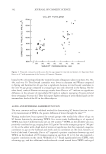
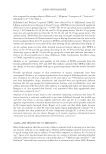
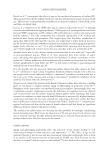
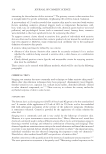
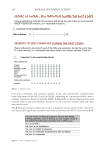
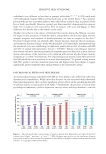
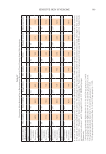
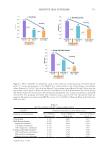
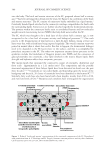
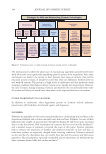
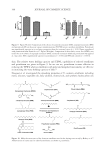
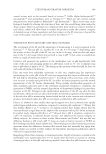
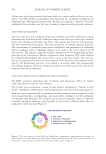
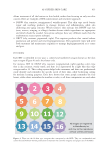
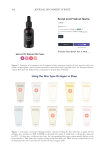
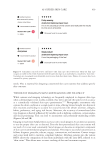
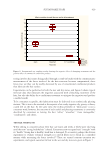
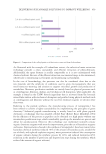
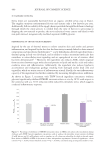
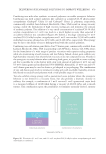
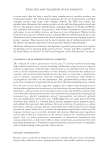
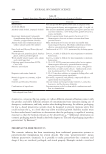
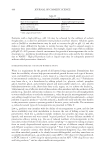
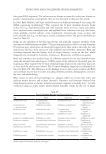
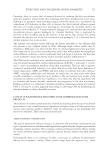
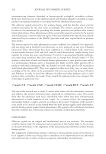
Each BST is identified in two ways: a colored and numbered octagon known as the skin
type octagon (Figure 4) and a four-letter code.
For instance, BST 14: DRNT (dry, resistant, nonpigmented, tight) signifies a skin type
that is dry, resistant, evenly toned, and firm. It is represented by a light blue skin type
octagon with a 14. This coding system helps both consumers and skin care professionals
easily identify and remember the specific needs of their skin, while facilitating coding
for machine learning purposes. Data have shown that some people remember the four
letters, while others remember the number or color, so all three components are used when
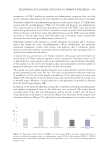
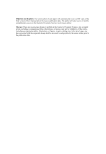
Figure 4. These are the 16-skin type octagons that correspond to the BSTs. They are trademarked and
cannot be used without written permission to maintain the scientific integrity and proper use of the BSTS.
allows treatment of all the barriers to skin health, rather than focusing on only one skin
concern. Here are examples of BST nomenclature and treatment approach:
• DSNW (dry, sensitive, nonpigmented, wrinkle-prone): This skin type needs barrier
repair and soothing products to manage dryness and inflammation, while also
addressing anti-aging concerns. Which sensitive skin subtype this DSNW type has
(acne, rosacea, stinging, or allergic) further dictates which ingredients are appropriate
and which should be avoided. Acne-prone subtypes have very different needs than the
erythematous rosacea-prone subtypes.
• ORPT (oily, resistant, pigmented, tight): This requires products that control sebum
production and prevent and treat hyperpigmentation. The pigmented types will need
both treatment and maintenance regimens to manage hyperpigmentation as it comes
and goes.
BST CODING
Each BST is identified in two ways: a colored and numbered octagon known as the skin
type octagon (Figure 4) and a four-letter code.
For instance, BST 14: DRNT (dry, resistant, nonpigmented, tight) signifies a skin type
that is dry, resistant, evenly toned, and firm. It is represented by a light blue skin type
octagon with a 14. This coding system helps both consumers and skin care professionals
easily identify and remember the specific needs of their skin, while facilitating coding
for machine learning purposes. Data have shown that some people remember the four
letters, while others remember the number or color, so all three components are used when
Figure 4. These are the 16-skin type octagons that correspond to the BSTs. They are trademarked and
cannot be used without written permission to maintain the scientific integrity and proper use of the BSTS.