411 AI-Guided Skin Care
THE PARAMETERS DEFINING BSTS
Oily Versus Dry. Oily skin in the Baumann Skin Typing System (BSTS) is characterized by
sebum production rates of at least 1 mg of sebum per 10 cm2 every 3 hours.23 The occlusive
properties of sebum compensate for an impaired barrier and contain antioxidants.24 In the
BSTS, oily skin is the preferable type. Normal skin falls into this category. The way that
normal, oily, and very oily skin are scored by the BSTI for skin care recommendations is
beyond the scope of this article.
Dry skin has dehydration and a defective barrier, and it lacks sufficient sebum to provide
enough occlusion to overcome this barrier.
A combination skin type is not considered a true skin type in the BSTS. People who self-
identify as combination skin types are one of two possibilities:
• Changing skin type: Some patients experience seasonal variability in their skin type,
with their BST alternating between dry and oily, depending on environmental factors
such as humidity and temperature.
• Oiliness in the T-zone: When there is excessive sebum production in the T-zone and
dryness on the cheeks, the BSTS classifies this as an oily skin type. This is considered
a “normal oily skin type,” and the skin should be treated with a skin care regimen
targeted to oily skin. The moisturizer in the skin care routine is not used in the T-zone
parts of the face that have more sebaceous glands.
Sensitive Versus Resistant. The BSTS divides sensitive skin into four subtypes based on
their propensity to inflammation from different causes. A resistant skin type, on the other
hand, does not have acne, inflammation, or a history of reacting to skincare products. An
individual can be classified as one sensitive subtype or a combination of subtypes.
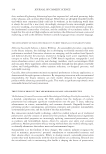
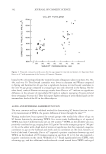
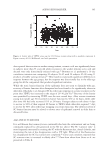
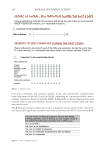
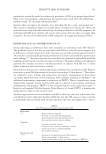
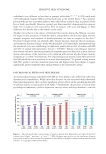
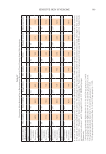
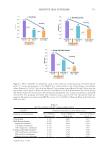
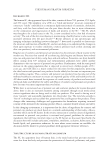
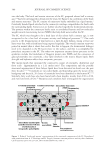
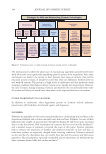
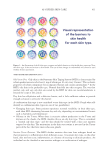
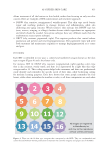
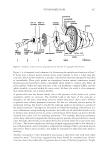
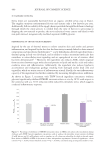
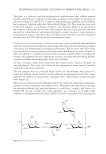
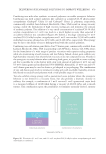
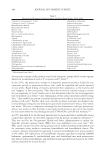
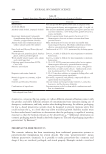
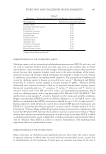
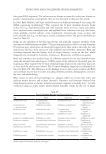
Figure 3. An illustration of the16-skin type octagons and which barriers to skin health they represent. Note
that skin type 10 has no barriers to skin health. The use of these images is trademarked and cannot be used
without written permission.
THE PARAMETERS DEFINING BSTS
Oily Versus Dry. Oily skin in the Baumann Skin Typing System (BSTS) is characterized by
sebum production rates of at least 1 mg of sebum per 10 cm2 every 3 hours.23 The occlusive
properties of sebum compensate for an impaired barrier and contain antioxidants.24 In the
BSTS, oily skin is the preferable type. Normal skin falls into this category. The way that
normal, oily, and very oily skin are scored by the BSTI for skin care recommendations is
beyond the scope of this article.
Dry skin has dehydration and a defective barrier, and it lacks sufficient sebum to provide
enough occlusion to overcome this barrier.
A combination skin type is not considered a true skin type in the BSTS. People who self-
identify as combination skin types are one of two possibilities:
• Changing skin type: Some patients experience seasonal variability in their skin type,
with their BST alternating between dry and oily, depending on environmental factors
such as humidity and temperature.
• Oiliness in the T-zone: When there is excessive sebum production in the T-zone and
dryness on the cheeks, the BSTS classifies this as an oily skin type. This is considered
a “normal oily skin type,” and the skin should be treated with a skin care regimen
targeted to oily skin. The moisturizer in the skin care routine is not used in the T-zone
parts of the face that have more sebaceous glands.
Sensitive Versus Resistant. The BSTS divides sensitive skin into four subtypes based on
their propensity to inflammation from different causes. A resistant skin type, on the other
hand, does not have acne, inflammation, or a history of reacting to skincare products. An
individual can be classified as one sensitive subtype or a combination of subtypes.
Figure 3. An illustration of the16-skin type octagons and which barriers to skin health they represent. Note
that skin type 10 has no barriers to skin health. The use of these images is trademarked and cannot be used
without written permission.