417 AI-Guided Skin Care
skin type and the steps they should take to maintain healthy skin leads to better compliance
and improved outcomes, ultimately enhancing overall skin health.
For cosmetic chemists, the BSTS offers a more targeted approach to skincare product
design, because cosmeceutical ingredients and product characteristics are tagged to the
various BSTs. This helps chemists in the product formulation process when choosing
ingredients to include in the formulation. Instead of developing a general “antiredness
product,” they can design a product specifically for DSPW rosacea-prone skin types. This
allows them to combine soothing ingredients with skin lighteners that are less likely to
incite inflammation and incorporate them into a barrier repair formulation with anti-
aging ingredients that will not irritate sensitive skin. This targeted and precise approach
to skincare product formulation increases the likelihood of creating effective products that
meet the needs of specific skin types. Furthermore, cosmetic chemists can design products
for the most common skin types, increasing the chance of commercial success.
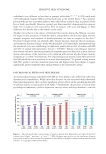
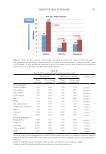
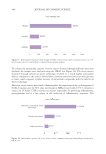
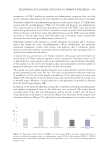
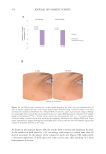
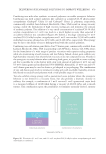
For consumers, the BSTS skin type octagons allow for easy identification of products that
are appropriate for their skin type. The skin type octagons are used on product packaging
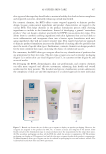
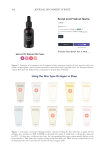
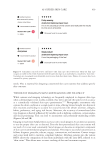
(Figure 5), in online skin care retail (Figures 6 and 7), in customer reviews (Figure 8), and
on social media.
By leveraging the BSTS, dermatologists, skin care professionals, and cosmetic chemists
can offer more targeted and effective treatments, enhancing skin health and overall
satisfaction for their patients. The detailed and precise classification system underscores
the complexity of skin care and the importance of a tailored approach to meet individual
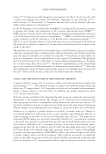
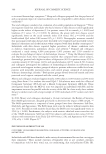
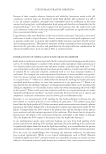
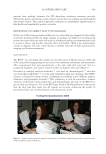
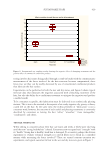
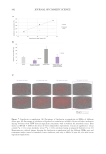
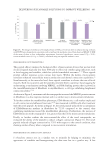
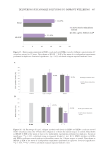
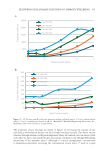
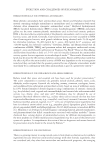
Figure 5. Brands can license the use of skin type octagons to display on product packaging. However, the
octagons are assigned to the products by STS, Inc. to ensure accuracy and integrity of the system. Some
brands consult at the formulation stage to ensure products meet the requirements for the target skin types.
(A) The secondary packaging can show all the BSTs for which the product is appropriate. (B) The primary
packaging can display an STS-approved seal and the skin type octagons for which the product is appropriate.
(C) Monochromatic skin type octagons can also be utilized on packaging for cost and aesthetic reasons. The
trademarked brands have been used with permission.
skin type and the steps they should take to maintain healthy skin leads to better compliance
and improved outcomes, ultimately enhancing overall skin health.
For cosmetic chemists, the BSTS offers a more targeted approach to skincare product
design, because cosmeceutical ingredients and product characteristics are tagged to the
various BSTs. This helps chemists in the product formulation process when choosing
ingredients to include in the formulation. Instead of developing a general “antiredness
product,” they can design a product specifically for DSPW rosacea-prone skin types. This
allows them to combine soothing ingredients with skin lighteners that are less likely to
incite inflammation and incorporate them into a barrier repair formulation with anti-
aging ingredients that will not irritate sensitive skin. This targeted and precise approach
to skincare product formulation increases the likelihood of creating effective products that
meet the needs of specific skin types. Furthermore, cosmetic chemists can design products
for the most common skin types, increasing the chance of commercial success.
For consumers, the BSTS skin type octagons allow for easy identification of products that
are appropriate for their skin type. The skin type octagons are used on product packaging
(Figure 5), in online skin care retail (Figures 6 and 7), in customer reviews (Figure 8), and
on social media.
By leveraging the BSTS, dermatologists, skin care professionals, and cosmetic chemists
can offer more targeted and effective treatments, enhancing skin health and overall
satisfaction for their patients. The detailed and precise classification system underscores
the complexity of skin care and the importance of a tailored approach to meet individual
Figure 5. Brands can license the use of skin type octagons to display on product packaging. However, the
octagons are assigned to the products by STS, Inc. to ensure accuracy and integrity of the system. Some
brands consult at the formulation stage to ensure products meet the requirements for the target skin types.
(A) The secondary packaging can show all the BSTs for which the product is appropriate. (B) The primary
packaging can display an STS-approved seal and the skin type octagons for which the product is appropriate.
(C) Monochromatic skin type octagons can also be utilized on packaging for cost and aesthetic reasons. The
trademarked brands have been used with permission.