419 AI-Guided Skin Care
needs. This is essential for designing customized skin care routines that address specific
skin concerns.
THE ROLE OF IMAGING IN SKIN CARE DIAGNOSIS AND FOLLOW-UP
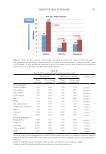
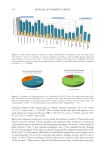
While cameras and imaging technology are frequently employed to diagnose skin type
when a dermatologist is not readily available, they fail to provide the same level of accuracy
as a scientifically validated skin type questionnaire.26,27 Photographic assessments only
capture the skin’s condition at a single point in time, offering limited insight into historical
skin reactions and failing to account for crucial factors like sebum secretion, allergies,
habits, preferences, and aging risk factors. Moreover, the accuracy of camera-based skin
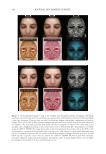
type diagnosis is heavily influenced by variables such as lighting conditions, camera angles,
and facial positioning. This can lead to inconsistent and potentially misleading results
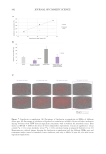
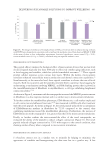
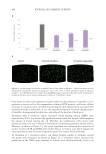
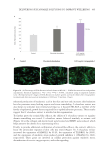
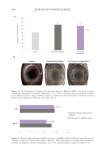
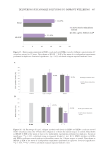
(Figures 9A and 9B).
Imaging is much more helpful when used as a tool to track progress. It can motivate patients
to use the proper skin care as directed. Even the best personalized skin care routine will
not work if it is not used consistently. Serial images can become an important component
of skin care recommendation progress and analysis. The steps to successful outcomes are as
follows: diagnose, prescribe, educate, engage, communicate, and motivate. Camera images
and scores work well to motivate compliant behavior. Dividing patients into the various
BSTSs allows the comparison of data from individuals with the same BST, referred to as
“skin twins.” This allows more accurate tracking of data and treatment response.
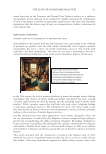
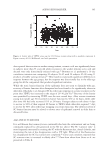
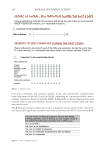
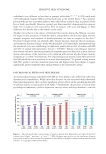
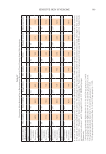
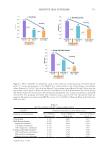
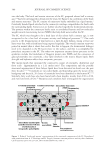
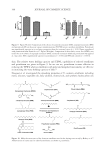
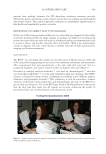
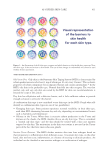
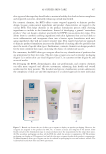
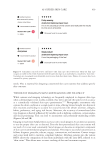
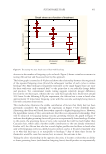
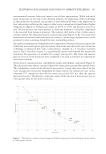
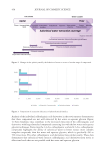
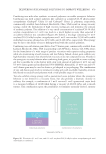
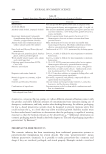
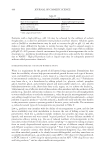
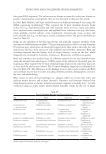
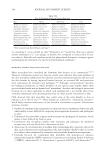
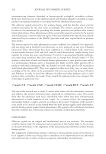
Figure 8. Consumers can read reviews and know what skin type the reviewer has when the skin type
octagon is visible in the review. Someone with the same skin type as an individual is considered a “skin twin.”
Customers are encouraged to preferentially read reviews from their skin twins. Names of reviewers have been
removed for privacy purposes.
needs. This is essential for designing customized skin care routines that address specific
skin concerns.
THE ROLE OF IMAGING IN SKIN CARE DIAGNOSIS AND FOLLOW-UP
While cameras and imaging technology are frequently employed to diagnose skin type
when a dermatologist is not readily available, they fail to provide the same level of accuracy
as a scientifically validated skin type questionnaire.26,27 Photographic assessments only
capture the skin’s condition at a single point in time, offering limited insight into historical
skin reactions and failing to account for crucial factors like sebum secretion, allergies,
habits, preferences, and aging risk factors. Moreover, the accuracy of camera-based skin
type diagnosis is heavily influenced by variables such as lighting conditions, camera angles,
and facial positioning. This can lead to inconsistent and potentially misleading results
(Figures 9A and 9B).
Imaging is much more helpful when used as a tool to track progress. It can motivate patients
to use the proper skin care as directed. Even the best personalized skin care routine will
not work if it is not used consistently. Serial images can become an important component
of skin care recommendation progress and analysis. The steps to successful outcomes are as
follows: diagnose, prescribe, educate, engage, communicate, and motivate. Camera images
and scores work well to motivate compliant behavior. Dividing patients into the various
BSTSs allows the comparison of data from individuals with the same BST, referred to as
“skin twins.” This allows more accurate tracking of data and treatment response.
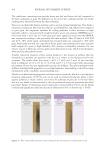
Figure 8. Consumers can read reviews and know what skin type the reviewer has when the skin type
octagon is visible in the review. Someone with the same skin type as an individual is considered a “skin twin.”
Customers are encouraged to preferentially read reviews from their skin twins. Names of reviewers have been
removed for privacy purposes.