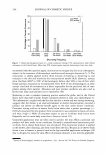
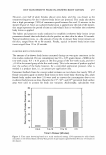
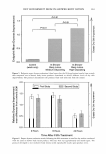
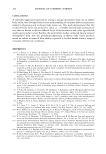
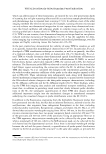
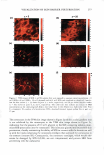
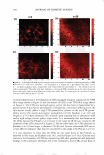
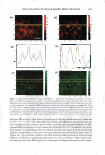
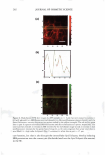
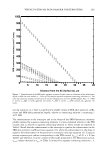
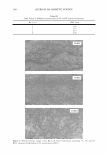
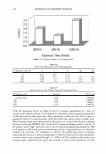
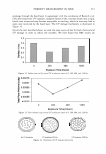
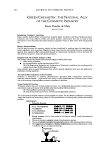
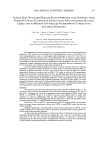
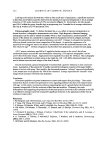
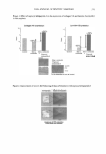
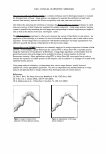
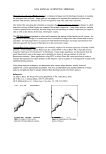
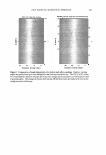
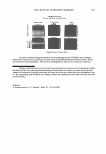
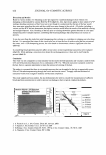
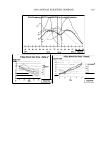
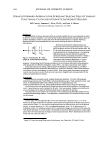
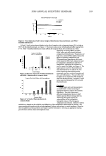
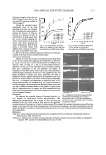
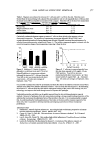
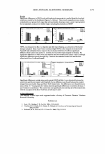
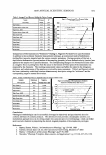
I ii Ul 4i 'J f 2008 ANNUAL SCIENTIFIC SEMINAR 363 Colored HlirDepo · 'on: Sliampoo with Silicone v1. Liquid Ciy1uh PolyDAOMAC ilic:OM -� Im•• field of view 100 mm x 100111m Quantative technical testing has shown that by incorporating the poly DADMAC into a shampoo fonnula the colored hair is not only easier to come due to the conditioning benefits from the silicone, but the hair will also be more hydrophobic. This increase in hydrophobicity allows it to act more like virgin hair. Combining the Understanding Biology will dictate what color and texture hair people have, but science can be incorporated to soften the effects of time. By combining the understanding of how the hair will change over time, with the fact that women will continue to color their hair.science will come in to allow the colored hair to be the healthiest it can be. By incorporating Poly DADMAC into shampoo women can transfonn their hair from brittle and straw-like to soft and shiny. Reference: A. Schwan-Jonczyk, C.-U. Schmidt-Hairs '07, 12-14.09.2007

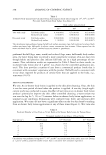
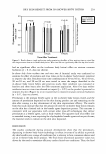
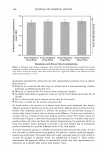
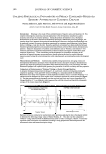
364 Introduction JOURNAL OF COSMETIC SCIENCE TREATMENTS FOR GRAYING HAIR: W"HAT W"ORKS AND W"HAT DOES NOT Perry Romanowski Alberto Culver, Inc., Melrose Park, IL While most hair care problems are suffered by small sub-segments of the human population, the problem of gray and graying hair is nearly universal. It is one of the most recognizable, early indicators of the aging process and one that directly conflicts with the desire to look young. Consumers are inundated with a wide range of products that promise to solve their gray hair problems. There are supplements containing vitamins, minerals, proteins and other organic substances that promise to reverse gray hair. There are natural ingredient-based remedies for staining hair. And there are cosmetic dyes that can hide the gray hairs. Additionally, raw material suppliers constantly provide data about new raw materials that are said to stimulate melanocyte production of melanin. The presentation will review past, current and future treatments of graying hair. It will examine the science, or lack there of, and discuss how well the various approaches work to camouflage gray or other wise improve the appearance and condition of aging hair. It will also review some of the latest findings and the possible treatments that could lead to permanent cures in the future. Problems of gray hair Recent research has shown that gray hair is susceptible to a wide variety of problems. In addition to the obvious color change, gray hair is also thinner, less dense, breaks more easily, grows more slowly, is more subject to UV damage and has lower levels of sebum production. The process of color change has been identified as both the depletion of melanocyte cells, their tendency to make make errors as they age and orienting themselves in the wrong part of the follicle. The typical solution is to use artificial coloring methods like permanent or semi-permanent colors, temporary colors like coloring mousse and coloring powders. These provide temporary relief but all are limited by the fact that they do not affect the color of the hair coming out of the follicle. Some research has raised the possibility of rejuvenating dormant melanocytes and permanently reverse the problem. [1] Physical changes in gray hair such as thinning, reduced hair density and the slowing of hair growth have been identified. Cosmetic solutions have primarily focused on depositing polymers or other compounds that can build up and make the hair appear thicker. Other proposed solutions involve ingesting herbal supplements that will help restart or refresh the follicles. These have been minimally successful and finding solutions remains the focus of research for many cosmetic chemists. The problem of hair breakage is likely the result of gray hair being more susceptible to UV damage due to the lack of protective pigments. Indeed tensile strength has been shown to be reduced as we age. Using sunscreens in hair care products is one suggested solution. While some data has been shown that a sunscreen can help, this solution has not adequately solved the problem. Conclusion The problems associated with gray hair are numerous and largely unsolved. This fact combined with the ubiquitousness of the condition provides an excellent opportunity for creators of new cosmetic technologies. [l] Van Neste D, Tobin DJ., Hair cycle and hair pigmentation: dynamic interactions and changes associated with aging. Micron. 2004 35(3): 193-200.
Purchased for the exclusive use of nofirst nolast (unknown)
From: SCC Media Library & Resource Center (library.scconline.org)