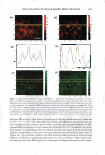
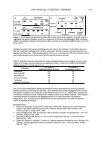
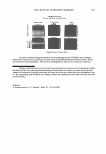
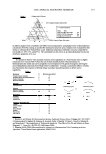
Introduction 2008 ANNUAL SCIENTIFIC SEMINAR RAPID SCREENING PROTOCOL OF SUNLIGHT EXPOSURE TO DAMAGED HAIR Eric S. Abrutyn Kao Brands Company, Cincinnati, OH 45214 365 Consumers are unsatisfied with the loss of color shortly after they have colored their hair. They are looking for a more consistent hair color over a 4-8 week period. One of the potential causes of artificial color loss is exposure to sunlight due to the deleterious effect on hair and chemical degradation of the artificial coloring. Sunlight (mostly VIS, UVa and UVb exposure) has been identified as a cause for degradation of the cuticle and cortex that allows for more rapid leaching of artificial and natural color. This aging process needs to be controlled better so the cuticle and cortex are more intact and the color has a better chance to last longer. Over the past 15 years a lot has been published on the effect of sunlight on hair. Most of this work has been centered on the exposure to UVb and VIS portion of the spectrum. There is a growing consensus that UVa has as much contribution to photo-damage of hair as UVb. There is also a need to look at the affect of UVa and VIS on the artificial color within the hair. S. Ruetsch1 in 2000 talked about both UVa and UVb causing photo-degradation to proteins (keratin and melanin) and V. Signori in her review paper2 on the subject of photo-degradation cited various references3 contributing VIS exposure to a more pronounced photo-bleaching of hair than UV and UVa more effective in inducing photo-bleaching than UVb. Based on the chemistry of permanent (level II) hair color, there is a need to light stabilize color embedded in hair. It is clear that broad spectrum radiation from sunlight exposure causes a gradual degradation of hair leading to more porous hair and thus greater opportunity for leaching of hair color during shampooing. It is even more important to consider humidity as an accelerator due to its ability to provide a medium for mechanistic free-radical pathway oxidation. A key concern is that most hair care treatment products utilize only an UVb sunscreen for photo-degradation protection. As shown in a number of publications, hair damage requires not only UVb but also UVa photo protection, and even VIS photo-protection. So the right selection of UVa and UVb protection will not only control the sun exposed damage of hair, but will protect color loss due to UV degradation. There are a large number of UV absorbers available to the formulating chemist. Which one to chose and how do you screen their potential to prevent damage and color loss? The work reported here will deal with typical consumer exposure to sunlight on bleached and artificially colored hair. This paper will focus on the use of a rapid screening protocol to show that color loss and hair damage can be minimized better with a broad spectrum sunscreen. Methodology Untreated 2 gram/ 4" medium blonde hair tresses (International Hair Inc, USA- Caucasian Light Brown Hair) were bleached 2 times with persulfate/PW20 peroxide for 30 minutes at 35°C each treatment. The hair was shampooed with a stripping SLS/SLES/Betaine formulation and air dried. This hair was colored with L'Oreal RR07 at 4 pts of product (per mixing instructions) to 1.4 pts of hair for 25 minutes at 35°C and washed with a stripping shampoo and then air dried. Test tresses were treated with a 5% (actives basis) sunscreen solution (alcoholic, hydro-alcoholic or aqueous solution dependent on solubility of sunscreen) by uniformly spreading on both sides of tress and rubbing in to make sure all hair fibers are equally coated. The tresses were allowed to air dry and placed in direct sunlight for 5- 14 days (direct Midwest summer, June 15 - September 15, sunlight & varying humidity and no rain exposure). At each step in the process, the hair was visually graded and color measured by Chromometer (Konica Minolta Model # CR-300) using L *a*b* scale. Delta changes in L, E, C were recorded along with visual grading to determine effect of sunlight to tresses.

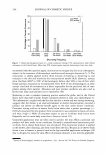
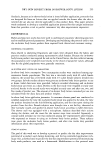
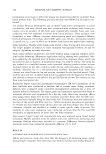
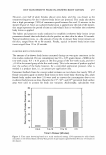
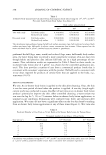
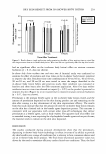
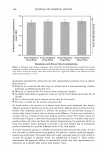
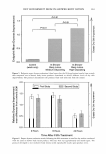
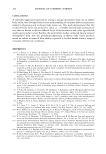
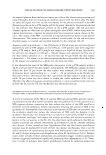
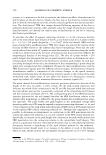
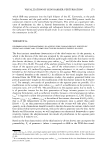
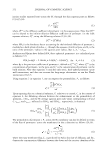
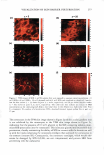
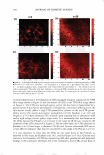
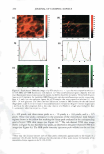
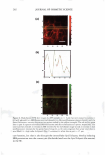
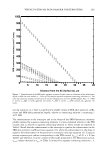
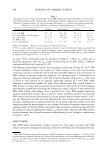
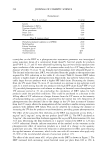
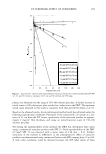
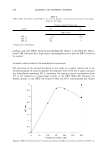
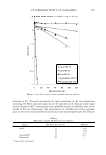
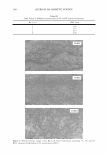
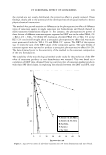
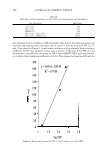
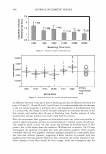
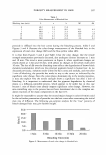
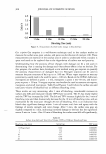
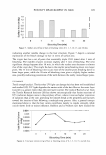
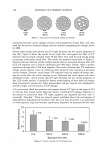
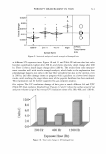
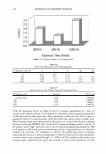
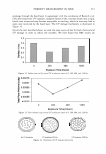
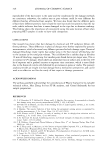
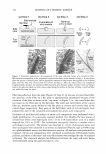
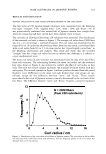
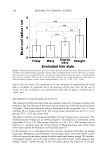
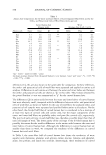
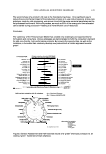
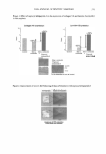
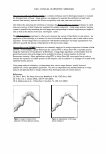
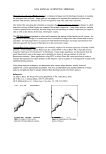
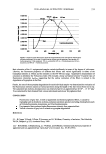
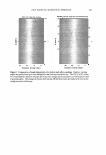
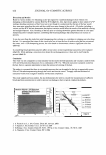
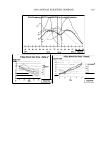
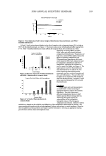
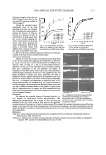
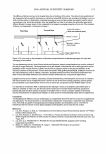
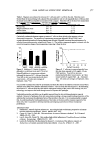
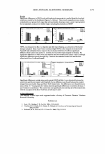
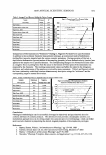
366 JOURNAL OF COSMETIC SCIENCE Dlscu ion and Re.sol Based on various studies, two bleaching cycles4 are required to e-quilibrate damage to h · r without over damaging as demonstrated by cationic Red Dye# 76 (chart 1). Also, hair tresses appear to have simil· L*a*b* readings denoting consistency of hair from root to tip though it is understood that the tips of the hair would have seen more aging than the roots and thus could have more damage to the cuticle. All studies, including a cationic red dye # 76, did not demonstrate that tip/root variation would affect the results of the artificial coloring and sunlight exposure. Also, bleaching of the hair prior to coloring showed the greatest decrease in color upon shampooing and or sunlight exposure confirming that bleaching damages hair and produces an increase in porosity. It was also seen from this study that initial shampooing after coloring is a contributor to stripping out color from the hair. It is speculated that some of this visual color loss is from the loss of surface color that has not entered the cortex, over a 15X shampooing process, the color based on chromometer, shows a significant color loss (chart 2). In considering broad spectrum sunscreen affect on hair color, several experimental sunscreens were evaluated (chart 3). While applying a sunscreen slows down the sun damage process, it does not by itself stop the process (chart 4). Conclusion This work was not compared to a solar simulator but the results showed (spectrally and visually) a need for both UVb and UVa protection (Sunscreen S or a combination of H + A). When the sunscreen is properly coated on the hair, there is a greater opportunity to retain the intense red coloring of the hair. The author is concerned that there is not enough sunscreen that can be applied to the hair to appreciably screen UVa or UVb radiation penetrating through the cuticle and into the cortex. To apply sufficient thickness of sunscreen would create a negative aesthetic and decrease compliance. This study supports previous studies, but also demonstrates the need to consider the incorporation of sufficient broad spectrum sun protection in order to prevent sun damage to hair in typical commercial products. 1:=r X -•-& X -1--10 X --No • • '10X Rme 1ex .__ ____________! r------ --- -- - --------------- 22.00 2000 +------ 1aoo ,. 1. S. Reutsch, et.al. J. Soc. Cosmet. Chem. 51, 103-125, 2000 2. V. Signori J. Soc Cosmet. Chem. 27, 95-113, 2004 3. E.Hoting J. Soc. Cosmet. Chem 48, 70-91, 1997 & J. Soc. Cosmet. Chem., 48, 70-91, 1007 4. A. Nogueira J. Soc. Cosmet. Chem, 55, 5, 2004
Purchased for the exclusive use of nofirst nolast (unknown)
From: SCC Media Library & Resource Center (library.scconline.org)