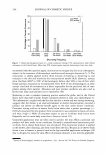
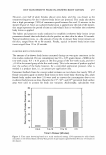
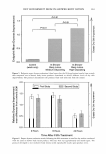
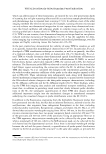
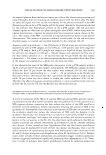
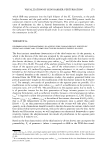
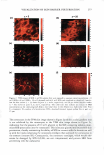
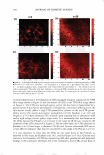
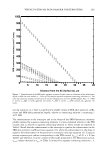
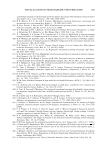
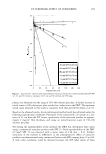
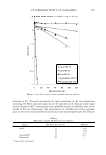
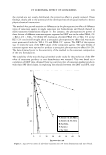
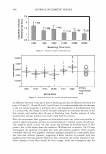
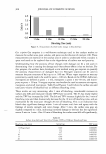
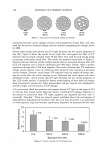
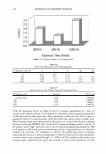
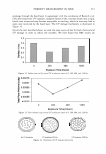
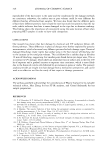
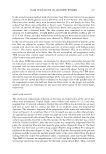
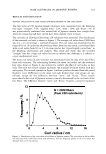
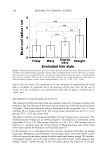
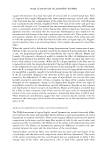
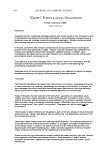
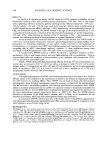
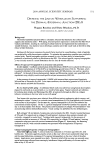
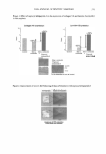
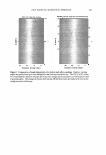
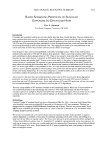
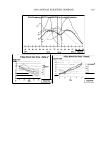
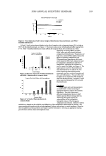
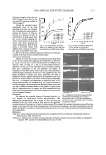
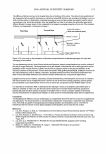
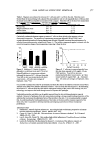
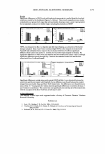
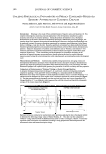
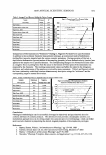
UV SCREENING EFFECT OF SUNSCREENS 295 2.5 �--------- ◊ 2.0 1.5 .E 1.0 £ Luna SPF 12 (35 cm) ♦ Luna SPF 27 (3 5 cm) 0.5 ■ Luna SPF 35 (35 cm) t:, Luna SPF 12 (16 cm) ◊ Luna SPF 27 (76 cm) □ Luna SPF 35 (7 6 cm) 0.0 -.j---- - -.-----r---.........,''r--- 0 20 40 60 80 100 120 140 Exposure time, min Figure 1. Log survivors-exposure time relationship for sunscreen lotions of a commercial brand (Luna® SPF 12, 27, and 35) tested at a distance of 35 cm and 76 cm from the UV lamp. plateau was obtained over the range of 150-200 colonies per plate. A further increase in initial count to 300 colonies per plate resulted in a reduction in the DR T. The optimum initial count obtained in this study is consistent with that specified by Jones et al. (7). Based on the obtained results, the microbiological method could be performed under the following experimental conditions: Placement of the sunscreen/E. coli system at a dis tance of 3 5 cm from the UV source, application of the sunscreen product at approxi mately 2 mg/cm2 film thickness, and using an initial bacterial count of 150-200 colonies per plate. For testing the reproducibility of the method, the DR T was determined three times using a commercial sunscreen product with SPF 12. Good reproducibility of the DRT of Luna® SPF 12 was observed with a mean value of 3.46 min ± 0.15. Further, sensitivity of the method to differences in the photoprotective effect of sunscreen products was demonstrated using commercial lotions with SPFs ranging from 12 to 100. A rank order correlation could be obtained between the SPF label claims of these

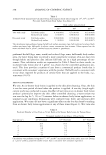
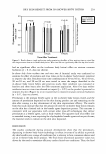
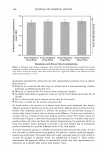
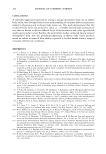
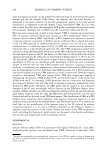
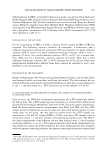
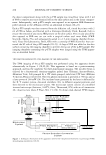
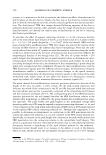
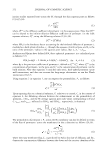
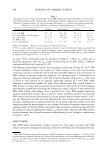
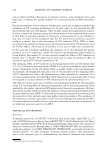
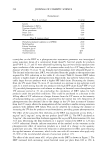
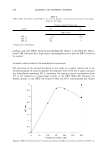
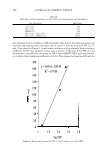
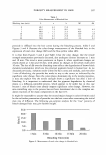
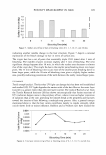
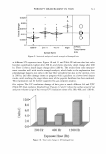
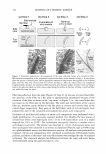
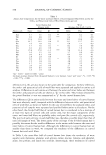
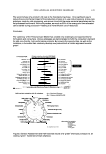
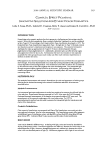
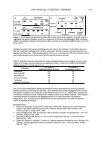
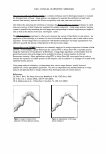
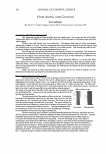
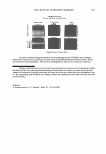
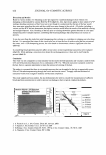
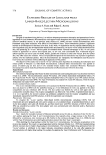
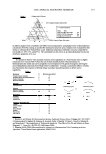
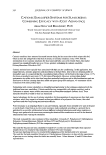
296 JOURNAL OF COSMETIC SCIENCE Table I DRT Values for Products Luna® SPF 12, 27, and 35, Tested at a Distance of 35 cm and 76 cm Away From the UV Lamp Luna® SPF 12 SPF 27 SPF 35 * Could not be determined. 35 2.9 114 184 Distance from UV lamp (cm) DRT (min) 76 19.3 * * products and their DRTs obtained microbiologically (Figure 3 and Table II). Photo derm® SPF 100 provided a high degree of photoprotection so that the DRT could not be reached. POTENTIAL APPLICATIONS OF THE MICROBIOLOGICAL METHOD The potentials of the method developed in this study as a quality control tool in the formulation phase of sunscreen product development were tested. For a single sunscreen test formulation containing BZ-3, increasing the sunscreen agent concentration from 1 % to 3% resulted in a proportional increase in the DR T (Table III). However, no further increase in the DR T was observed when the BZ-3 concentration was further 4 3.5 3 2.5 .5 E-� 1.5 1 0.5 0 0 50 100 150 200 250 300 Number of colonies/ plate Figure 2. Effect of the initial number of colonies per plate on the DR T of a commercial brand (Luna® SPF l 2).
Purchased for the exclusive use of nofirst nolast (unknown)
From: SCC Media Library & Resource Center (library.scconline.org)