430 JOURNAL OF COSMETIC SCIENCE
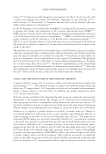
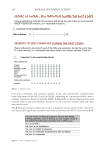
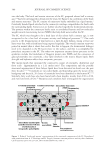
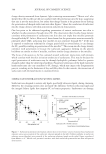
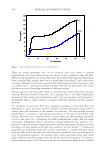
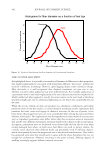
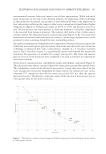
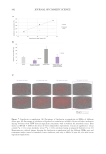
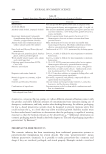
There are several parameters that can be extracted from such curves to provide
quantification—the most obvious being the amount of force required to snap the fiber.
However, this parameter has a strong dependence on the fiber dimensions (all things being
equal, a thicker fiber requires more force to break than a thin fiber),18 and so this factor
is usually normalized out by first measuring fiber dimensions and then reporting a break
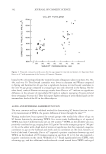
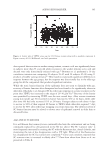
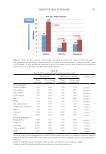
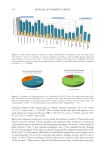
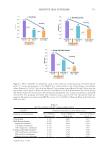
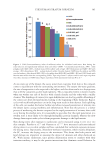
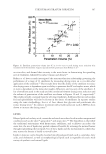
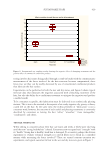
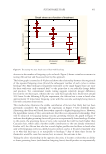
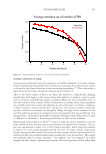
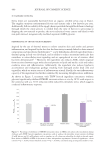
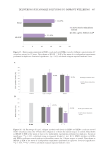
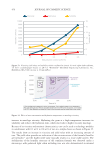
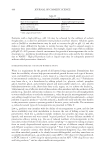
stress (where stress =force/unit area). Figure 8 shows how the wet state break stress of hair
declines as a result of bleaching treatments of differing severity.
Similar outcomes arise from other chemical treatments (e.g. perms, permanent coloring,
relaxing, Brazilian Keratin Treatments, etc.), exposing hair to the high temperatures
encountered with curling and straightening irons,19 and exposing hair to UV radiation.20
Accordingly, there is ample evidence to support deleterious alteration of hair’s internal
structure.
Yet consumers do not assess their hair’s strength by pulling on individual fibers and
attempting to assess the forces involved. Instead, consumer perception would seem to
involve some self-assessment of the tendency for breaking. This may include noticing
broken fibers in a brush or comb during grooming or in the base of the shower after
bathing. Moreover, on a consumer’s head, it seems likely that fiber breakage ultimately
occurs as the result of a culmination of various manipulations, rather than one single
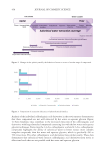
catastrophic deformation. From a mechanical testing perspective, the resistance of a
material to repeated external stimuli represents a fatiguing experiment and these have been
becoming ever more popular in the hair care world over the past decade.21,22 Commercial
equipment for performing single fiber fatigue experiments is available (Diastron Corp,
Andover, UK) and the outcomes from this testing have gradually been superseding those
from the traditional approach. For example, these newer experiments often show much
bigger differences between samples than seen by the usual tensile approach. To illustrate,
an insult that produces a 10% decrease in the dry state break stress might lead to a 10-fold
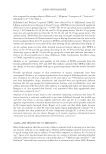
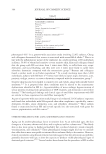
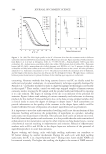
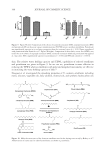
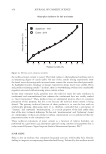
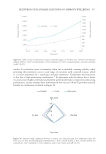
Figure 7. Typical tensile testing curves for wet and dry hair.
There are several parameters that can be extracted from such curves to provide
quantification—the most obvious being the amount of force required to snap the fiber.
However, this parameter has a strong dependence on the fiber dimensions (all things being
equal, a thicker fiber requires more force to break than a thin fiber),18 and so this factor
is usually normalized out by first measuring fiber dimensions and then reporting a break
stress (where stress =force/unit area). Figure 8 shows how the wet state break stress of hair
declines as a result of bleaching treatments of differing severity.
Similar outcomes arise from other chemical treatments (e.g. perms, permanent coloring,
relaxing, Brazilian Keratin Treatments, etc.), exposing hair to the high temperatures
encountered with curling and straightening irons,19 and exposing hair to UV radiation.20
Accordingly, there is ample evidence to support deleterious alteration of hair’s internal
structure.
Yet consumers do not assess their hair’s strength by pulling on individual fibers and
attempting to assess the forces involved. Instead, consumer perception would seem to
involve some self-assessment of the tendency for breaking. This may include noticing
broken fibers in a brush or comb during grooming or in the base of the shower after
bathing. Moreover, on a consumer’s head, it seems likely that fiber breakage ultimately
occurs as the result of a culmination of various manipulations, rather than one single
catastrophic deformation. From a mechanical testing perspective, the resistance of a
material to repeated external stimuli represents a fatiguing experiment and these have been
becoming ever more popular in the hair care world over the past decade.21,22 Commercial
equipment for performing single fiber fatigue experiments is available (Diastron Corp,
Andover, UK) and the outcomes from this testing have gradually been superseding those
from the traditional approach. For example, these newer experiments often show much
bigger differences between samples than seen by the usual tensile approach. To illustrate,
an insult that produces a 10% decrease in the dry state break stress might lead to a 10-fold
Figure 7. Typical tensile testing curves for wet and dry hair.