432 JOURNAL OF COSMETIC SCIENCE
slower tendency for breakage. This is easily attained through use of conventional conditioner
products that coat the hair with a thin lubricating deposit comprised from fatty alcohols and
quaternium ammonium surfactants. In our industry, so-called repeated grooming experiments
are frequently used to demonstrate this occurrence whereby hair tresses are repeatedly
brushed with the periodic counting of broken fibers.25
In accordance with this theory, these experiments demonstrate sizable benefits as the result
of such treatments and represent tangible consumer benefits. As per a previous discourse,
if a consumer experiences breakage, there is the perception that their hair is “weak” and
“damaged ” however, if this situation is alleviated, the consumer perception is that the
hair has been “strengthened” and “repaired.” Accordingly, such language is commonplace
on products – but it should be remembered that these propositions relate to “consumer
language” and not the strict definitions associated with “technical language.”
To summarize, fatigue testing outcomes teach that “strength” and “breakage” are not the
same thing. Our industry has historically used standard tensile experiments to equate a
fundamental technical strength however, fatigue testing yields differing outcomes and
highlights the contribution of previously unrecognized factors. For example, a conventional
conditioner product has no effect on the tensile strength of individual hair fibers but can
produce sizable mediation of breakage.
SPLIT ENDS
The internal structure of hair is not unlike that of a rope and so, until recently, this author
had always presumed that after a hair fiber broke, the ends would fray (analogous to a rope)
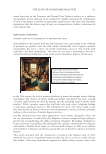
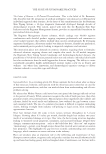
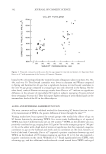
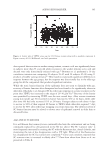
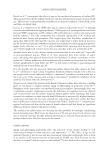
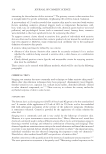
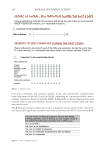
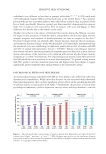
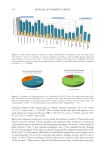
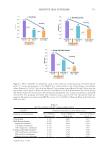
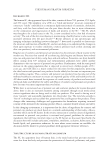
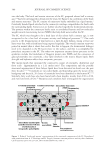
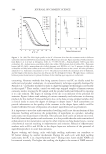
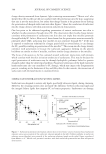
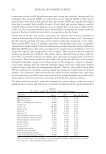
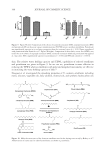
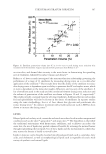
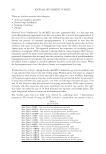
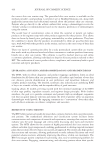
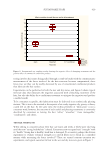
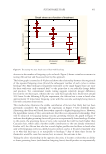
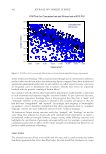
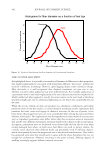
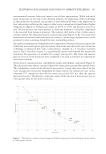
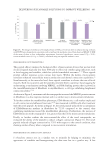
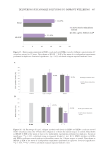
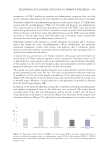
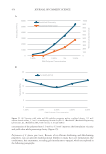
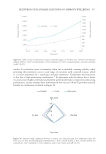
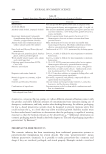
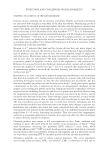
Figure 9. S-N Plots for Caucasian and African hair as obtained from single fiber fatigue experiments.
slower tendency for breakage. This is easily attained through use of conventional conditioner
products that coat the hair with a thin lubricating deposit comprised from fatty alcohols and
quaternium ammonium surfactants. In our industry, so-called repeated grooming experiments
are frequently used to demonstrate this occurrence whereby hair tresses are repeatedly
brushed with the periodic counting of broken fibers.25
In accordance with this theory, these experiments demonstrate sizable benefits as the result
of such treatments and represent tangible consumer benefits. As per a previous discourse,
if a consumer experiences breakage, there is the perception that their hair is “weak” and
“damaged ” however, if this situation is alleviated, the consumer perception is that the
hair has been “strengthened” and “repaired.” Accordingly, such language is commonplace
on products – but it should be remembered that these propositions relate to “consumer
language” and not the strict definitions associated with “technical language.”
To summarize, fatigue testing outcomes teach that “strength” and “breakage” are not the
same thing. Our industry has historically used standard tensile experiments to equate a
fundamental technical strength however, fatigue testing yields differing outcomes and
highlights the contribution of previously unrecognized factors. For example, a conventional
conditioner product has no effect on the tensile strength of individual hair fibers but can
produce sizable mediation of breakage.
SPLIT ENDS
The internal structure of hair is not unlike that of a rope and so, until recently, this author
had always presumed that after a hair fiber broke, the ends would fray (analogous to a rope)
Figure 9. S-N Plots for Caucasian and African hair as obtained from single fiber fatigue experiments.