434 JOURNAL OF COSMETIC SCIENCE
suggested that treatments might “glue” such splits together in the short term. However, it
is difficult to conceptualize how this might occur without adhering adjected fibers to each
other and creating an undesirable mess.
BENDING AND TORSION
Another commonly heard consumer hair attribute is “softness,” which, thinking literally,
a scientist may consider to be the opposite of stiffness. As previously mentioned, the
contribution of the cuticle is believed to have a far more meaningful impact,26,27 but
measuring the bending stiffness of individual fibers is complicated by their elliptical
cross-section. That is, bending forces are dependent on fiber diameter but this dimension
varies according to the cross-section. That is, a given fiber will have its highest bending
stiffness about its major axis, its lowest about its minor axis, and intermediate values
at all positions in-between. To this end, it is likely easier to assess the overall cuticle
contributions to fiber bending and twisting properties by performing torsional (twisting)
stiffness measurements.28 Historically, these experiments have been performed using a
torsional pendulum where fibers can twist and untwist while measuring the periodicity
and damping of the motion.
As with the extensional properties, hair’s bending and torsional mechanical properties can
be altered by insults but are also highly dependent on the water content. As outlined,
increasing water content solvates secondary, strength-supporting electrostatic bonds, and
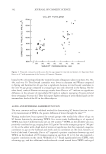
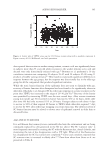
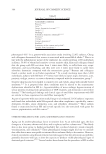
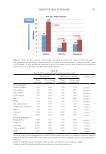
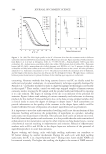
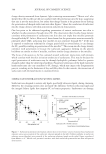
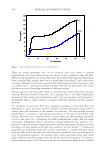
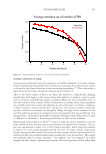
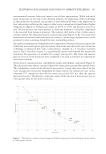
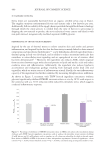
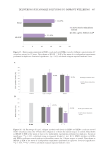
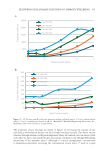
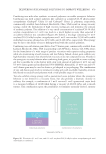
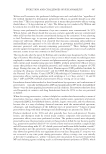
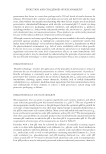
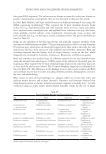
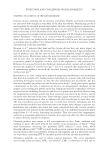
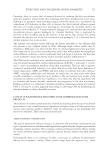
lowers mechanical properties. Figure 13 shows extensional modulus (i.e., stiffness) results
for virgin and bleached hair as a function of the relative humidity of the surroundings
(torsional results mirror this behavior). It is seen that the damaged hair is stiffer under low
and medium humidity, but the opposite is found at elevated humidity and when wet.
It seems likely that such alterations in the stiffness of hair fibers should somehow manifest in
terms of consumer perception, perhaps in terms of tactile and/or manageability properties.
Yet, in consumer language, it appears that the term “softness” essentially equates to tactile
properties, where, once again, conventional conditioning treatments significantly boost
consumer perception of this term, while having no effect on fundamental mechanical
properties.
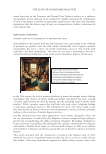
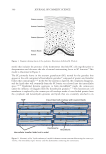
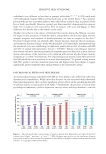
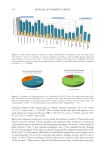
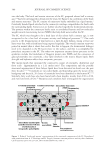
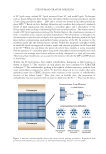
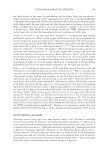
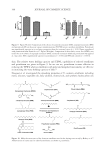
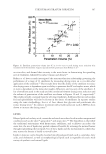
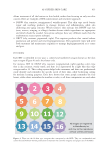
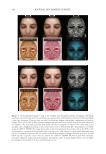
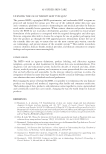
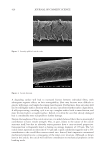
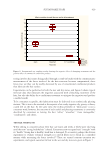
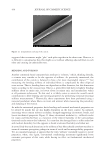
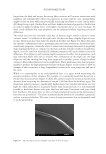
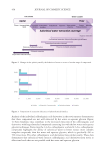
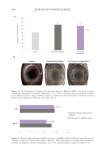
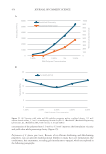
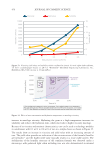
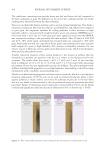
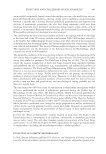
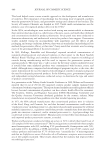
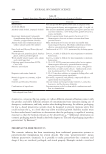
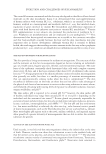
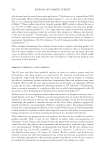
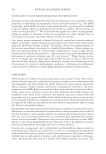
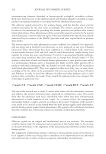
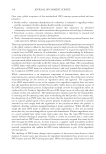
Figure 12. Longitudinal cracking of the cuticle.
suggested that treatments might “glue” such splits together in the short term. However, it
is difficult to conceptualize how this might occur without adhering adjected fibers to each
other and creating an undesirable mess.
BENDING AND TORSION
Another commonly heard consumer hair attribute is “softness,” which, thinking literally,
a scientist may consider to be the opposite of stiffness. As previously mentioned, the
contribution of the cuticle is believed to have a far more meaningful impact,26,27 but
measuring the bending stiffness of individual fibers is complicated by their elliptical
cross-section. That is, bending forces are dependent on fiber diameter but this dimension
varies according to the cross-section. That is, a given fiber will have its highest bending
stiffness about its major axis, its lowest about its minor axis, and intermediate values
at all positions in-between. To this end, it is likely easier to assess the overall cuticle
contributions to fiber bending and twisting properties by performing torsional (twisting)
stiffness measurements.28 Historically, these experiments have been performed using a
torsional pendulum where fibers can twist and untwist while measuring the periodicity
and damping of the motion.
As with the extensional properties, hair’s bending and torsional mechanical properties can
be altered by insults but are also highly dependent on the water content. As outlined,
increasing water content solvates secondary, strength-supporting electrostatic bonds, and
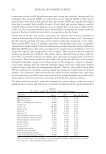
lowers mechanical properties. Figure 13 shows extensional modulus (i.e., stiffness) results
for virgin and bleached hair as a function of the relative humidity of the surroundings
(torsional results mirror this behavior). It is seen that the damaged hair is stiffer under low
and medium humidity, but the opposite is found at elevated humidity and when wet.
It seems likely that such alterations in the stiffness of hair fibers should somehow manifest in
terms of consumer perception, perhaps in terms of tactile and/or manageability properties.
Yet, in consumer language, it appears that the term “softness” essentially equates to tactile
properties, where, once again, conventional conditioning treatments significantly boost
consumer perception of this term, while having no effect on fundamental mechanical
properties.
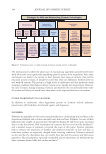
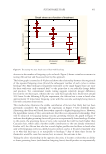
Figure 12. Longitudinal cracking of the cuticle.