436 JOURNAL OF COSMETIC SCIENCE
the technical water content is raised. This likely relates to the heightened swelling and an
accompanying degree of cuticle uplift. On top of this, tensile testing experiments show
the break stress decreasing with increased water content (for reasons described previously).
As highlighted earlier, breakage in fatigue experiments shows much more sizable effects
and produces alarming results.21 In short, there is overwhelming evidence for considerable
negatives associated with increasing water content in hair.
In this same consumer study, panelists were also asked to assess the same attributes in
conditioned and nonconditioned hair wherein the conditioned hair was sizably ranked
as “most moisturized.” These products have an undisputed positive effect on consumer
perception of this property, but this is not because the technical water content is being
altered. The primary technical function of these products is to coat the hair with an
aesthetically pleasing, lubricating layer. It is, therefore, concluded that a perception of
“dryness,” and conversely “moisturization,” is a tactile property of the hair rather than
that of the strict technical definition. To this end, “moisturization” and “hydration” claims
are commonplace on hair-care products without consternation as it is understood that the
propositions relate to the consumer’s view.
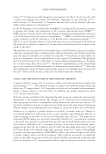
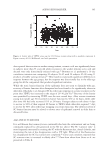
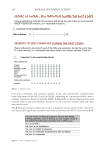
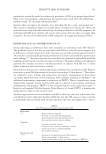
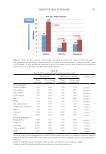
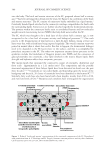
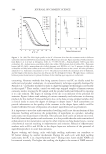
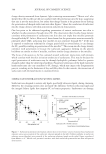
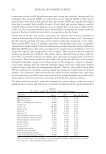
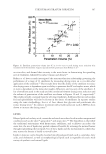
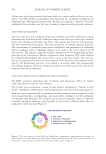
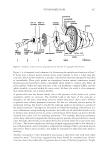
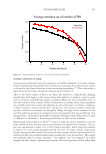
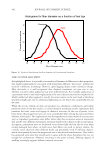
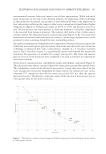
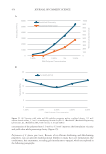
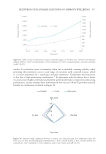
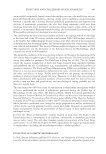
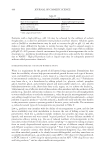
These technical evaluations of water content as a function of relative humidity are
performed by a gravimetric gas adsorption approach using commercial equipment that is
today termed Dynamic Vapor Sorption (Surface Measurement Systems, PA).29
HAIR SHINE
Shine is also an attribute that consumers frequently associate with healthy hair, whereby
dulling is a negative accompanying diminished well-being. Technically, this attribute would
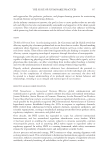
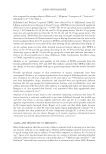
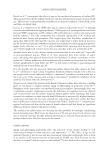
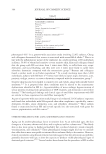
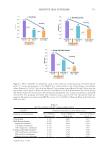
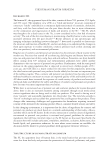
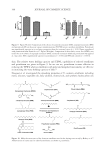
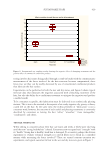
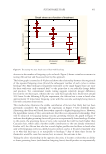
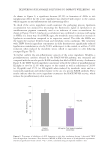
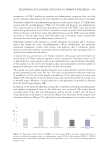
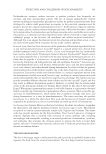
Figure 14. The hair-water adsorption isotherm.
the technical water content is raised. This likely relates to the heightened swelling and an
accompanying degree of cuticle uplift. On top of this, tensile testing experiments show
the break stress decreasing with increased water content (for reasons described previously).
As highlighted earlier, breakage in fatigue experiments shows much more sizable effects
and produces alarming results.21 In short, there is overwhelming evidence for considerable
negatives associated with increasing water content in hair.
In this same consumer study, panelists were also asked to assess the same attributes in
conditioned and nonconditioned hair wherein the conditioned hair was sizably ranked
as “most moisturized.” These products have an undisputed positive effect on consumer
perception of this property, but this is not because the technical water content is being
altered. The primary technical function of these products is to coat the hair with an
aesthetically pleasing, lubricating layer. It is, therefore, concluded that a perception of
“dryness,” and conversely “moisturization,” is a tactile property of the hair rather than
that of the strict technical definition. To this end, “moisturization” and “hydration” claims
are commonplace on hair-care products without consternation as it is understood that the
propositions relate to the consumer’s view.
These technical evaluations of water content as a function of relative humidity are
performed by a gravimetric gas adsorption approach using commercial equipment that is
today termed Dynamic Vapor Sorption (Surface Measurement Systems, PA).29
HAIR SHINE
Shine is also an attribute that consumers frequently associate with healthy hair, whereby
dulling is a negative accompanying diminished well-being. Technically, this attribute would
Figure 14. The hair-water adsorption isotherm.